Young Troops Feel Betrayed by Iran Policy, V. Spehar Says
Young U.S. service members who joined the military for education and opportunity feel betrayed by policies that have deployed them into dangerous situations near Iran. V. Spehar suggests these troops were "lied" to by the Trump administration, as their current risks diverge from their enlistment expectations.

Troops Enlisted for Opportunity Now Facing Iran Danger
Young service members who enlisted in the U.S. military seeking educational opportunities and career advancement now find themselves deployed in volatile regions, facing threats such as missile attacks from Iran. This stark reality has led many to feel deceived by the U.S. government’s foreign policy decisions, particularly those made under the Trump administration regarding Iran. V. Spehar, a commentator on current affairs, articulated this sentiment, suggesting that these individuals were not necessarily motivated by purely patriotic ideals but by a desire for genuine life opportunities that have now been jeopardized by escalating geopolitical tensions.
Misaligned Motivations and Escalating Conflicts
Spehar highlighted a critical disconnect between the motivations of many young recruits and the current operational environment they face. “You got a lot of people who did not join the military for patriotic pursuits, necessarily, but for genuine education and opportunity,” Spehar stated. This perspective suggests that a significant portion of the military’s younger ranks entered service with expectations centered on personal growth and stability, rather than an explicit anticipation of direct combat engagement, especially in scenarios involving a nation like Iran. The deployment of these service members onto carriers by Iran, where they are subjected to potential missile threats, underscores the perceived betrayal of their initial enlistment expectations.
The Trump Administration’s Role and Perceived Deception
The commentary specifically points to the Trump administration’s actions and rhetoric concerning Iran as a catalyst for this feeling of being misled. While the transcript does not detail specific strikes or policies, it implies that the administration’s approach may have created an environment where young service members felt their enlistment terms were being fundamentally altered. The implication is that promises of opportunity and education have been overshadowed by the reality of increased risk in a high-stakes geopolitical conflict. This has fostered a sense among these individuals that they were “lied” to, as their current dangerous assignments do not align with the pathways they envisioned when joining the armed forces.
Broader Implications for Military Recruitment and Morale
The sentiment described by Spehar carries significant implications for the U.S. military’s recruitment strategies and overall morale. If a substantial number of service members feel that their enlistment contracts, implicitly or explicitly, did not account for the current level of risk in regions like the Persian Gulf, it could lead to disillusionment and a decline in troop morale. This situation raises questions about the transparency and accuracy of information provided to potential recruits about the nature of military service and the potential for deployment to volatile zones. Maintaining public trust and ensuring that service members’ expectations are aligned with operational realities are crucial for the long-term health and effectiveness of the armed forces.
Future Outlook and Lingering Questions
As geopolitical tensions continue to evolve, the feelings of disillusionment among younger service members regarding their involvement in potential conflicts with Iran will likely remain a significant concern. The long-term impact on military recruitment, retention, and the psychological well-being of those deployed will depend on how the U.S. government addresses these underlying issues of trust and expectation. Future policy decisions and public communication will be critical in rebuilding confidence and ensuring that service members feel their commitment is honored and their risks are understood and justified.
Source: 'They were lied to': V Spehar on young service members involved with Iran war (YouTube)

Related Articles

Senate Blocks War Powers Curbs on Trump’s Iran Strikes
The U.S. Senate has rejected a measure that would have limited President Trump's war powers concerning military action against Iran. The vote highlights a deep partisan divide, with critics decrying a lack of congressional debate and public input on the escalating conflict.
US Sub Torpedoes Iranian Warship in Historic First Since WWII
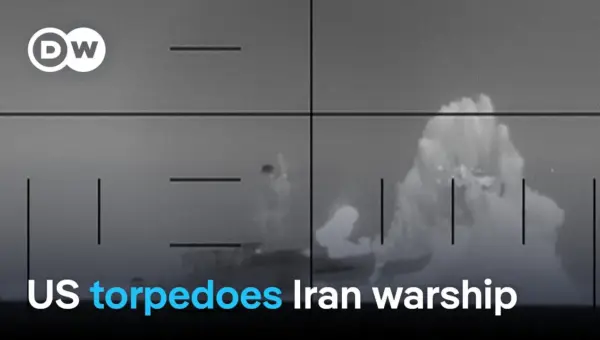
A US submarine has torpedoed an Iranian warship in the Indian Ocean, the first such attack since WWII, signaling a dramatic expansion of the conflict. The strike highlights Iran's degraded naval and air capabilities and the US intent to project power globally.


Americans Flee Israel Amidst Iranian Attacks, Face Perilous Journey Home
Tens of thousands of Americans were stranded in Israel following Iranian counterattacks, facing a perilous journey home. With flights suspended, many opted for a risky bus evacuation to Egypt, highlighting the challenges of citizen repatriation during geopolitical crises.