Young Men Feel Betrayed by War Talk, Trump Promises
Young men who voted for Donald Trump feel betrayed by the possibility of war with Iran, citing broken promises to end foreign conflicts. Focus groups reveal deep distrust and a desire for domestic economic focus over military intervention. The use of video game-style imagery to promote the conflict is also drawing sharp criticism.

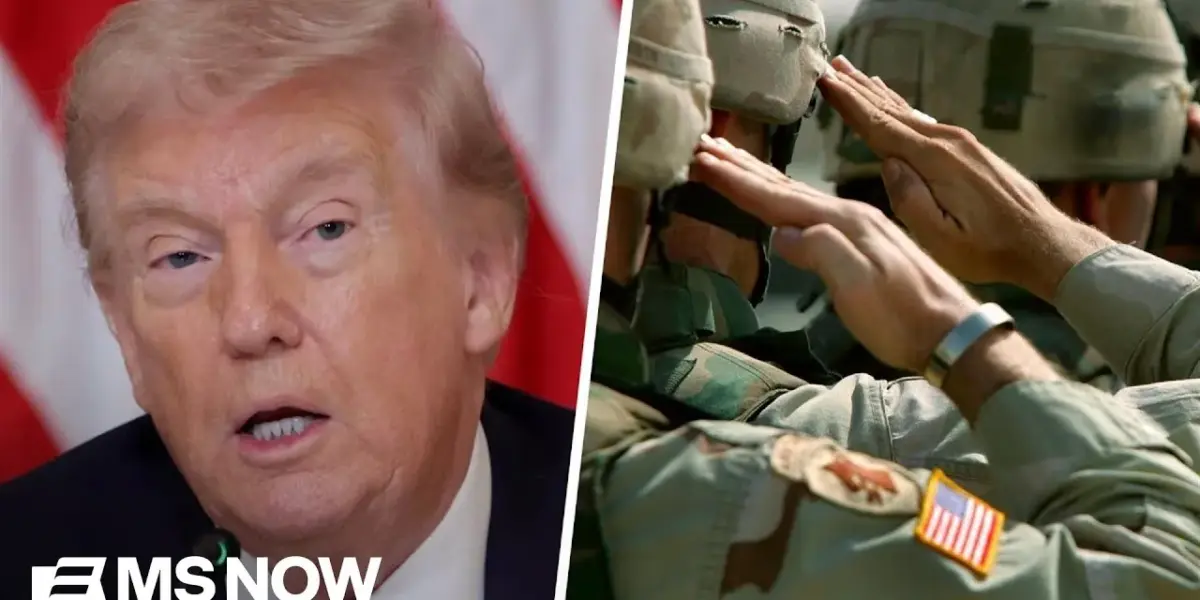
Young Voters Express Distrust Over Potential Iran Conflict
A growing number of young men, particularly those who voted for Donald Trump in 2024, are voicing deep concerns and a sense of betrayal regarding the possibility of war with Iran. Many feel that Trump’s promises to end foreign conflicts and focus on domestic issues have been broken. These sentiments were highlighted in a recent focus group conducted using an AI platform, which allowed for large-scale analysis of young voters’ opinions. The findings suggest a significant trust issue with this demographic, who feel their concerns about foreign entanglements and potential military drafts are being ignored.
“Leave the Country Be”: A Call for Domestic Focus
Focus group participants expressed strong opinions against interventionist foreign policy. Austin, a 26-year-old white man from Pennsylvania, stated, “Just leave the country be and let them choose whoever they want.” He questioned the need for U.S. involvement, asking, “Why we got to put our noses in it bro for real? How about we worry about our own economic bs.” This sentiment directly echoes Trump’s campaign focus on the economy, affordability of rent and gas prices, and making the U.S. more accessible for its citizens. The war in Iran is seen by these young voters as a direct contradiction to these core promises, leading to feelings of being “duped.”
Echoes of Past Wars Shape Generational Views
Paul Rykoff, host of the Independent Veterans of America podcast, noted that this generation grew up in the shadow of the Iraq and Afghanistan wars. They witnessed firsthand the immense costs in lives, money, and America’s global reputation. “The war was a mess. It cost a lot of American lives, it cost a lot of local lives, it cost a whole lot of money, and it did a bad number on our reputation,” Rykoff explained. He highlighted that Donald Trump campaigned on ending foreign wars, a message that resonated deeply with young men seeking a departure from the foreign policy failures of the past. When these voters now hear talk of potential conflict and even drafts, they feel their trust has been misplaced.
“They saw Donald Trump come out and say he was always against it… He saw him campaign on never starting a foreign war, not being like these other dummies out there. So when they say they feel duped, I mean, they have a point, don’t they?”
The Shadow of the Draft and Video Game Warfare
The possibility of a military draft, though perhaps improbable, is being openly discussed, a notion previously considered unthinkable for an American president. This is particularly concerning for a generation that has seen the consequences of prolonged conflicts. Peter Hamby, host of Puck’s The Powers That Be podcast, observed that while the specter of a draft isn’t yet personal for most, as friends haven’t been killed or wounded, the ongoing conflict could make it more so over time. Meanwhile, the White House’s use of social media, including TikTok, to promote the conflict with glossy ads, video game-style imagery, and clips of military actions is drawing criticism. Critics argue this approach trivializes the reality of war and disrespects the sacrifices made, especially when over a dozen U.S. service members have already been killed in the current tensions.
Financial Costs Clash with Campaign Promises
The economic implications of a potential conflict are also a major point of contention. The New York Times reported that the Pentagon has requested $200 billion for the current situation, a figure that dwarfs the estimated $800 billion spent over 13 years in Iraq. This immense financial outlay directly contradicts the promises made by Trump and other politicians to redirect funds from foreign aid and conflicts towards the pockets of hard-working Americans. The stark contrast between campaign rhetoric focused on domestic economic relief and the escalating financial demands of potential foreign wars highlights a perceived hypocrisy that further erodes trust among young voters.
Future Outlook: Trust and Policy Divergence
As tensions with Iran continue to simmer, the disconnect between the White House’s messaging and the public’s sentiment, particularly among young men, is likely to widen. The focus group findings underscore a critical challenge for political leaders: rebuilding trust with a generation that feels unheard and misled. The coming months will reveal whether the administration can bridge this gap or if the promises of peace and domestic prosperity will continue to be overshadowed by the realities of foreign conflict and its associated costs.
Source: Young men fear a possible Iran war draft, feel duped by Trump (YouTube)

Related Articles

G7 Allies Clash Over Iran War Strategy, Urge Focus on Russia
G7 foreign ministers met in Paris, revealing deep divisions over the U.S. war with Iran. European allies urged the U.S. to pressure Russia, linking its actions to the conflict and fearing support for Ukraine will wane.
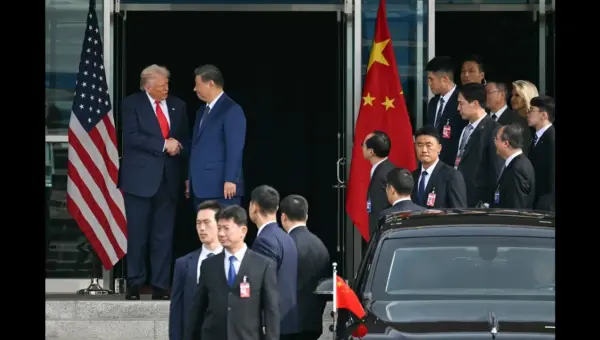
Trump’s “Walk Away” Tactic Signals Tougher Stance on China
Retired Air Force Brigadier General David Stillwell believes President Trump's strategy of being willing to walk away from negotiations puts pressure on China. This tactic, combined with US global actions and strengthened alliances, signals a more assertive American foreign policy.

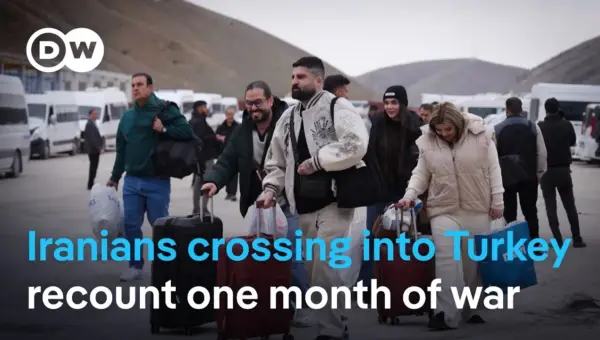
Iran War Exodus: Refugees Flee to Turkey Amidst Bombings
A train from Tehran brings refugees to Turkey, fleeing daily bombings and economic collapse. Many express deep fear for loved ones left behind, while some hold onto national pride and hope for victory. The conflict's impact is also felt economically in Turkey, with rising gas prices.