Young Buyers: Buy Two Homes Before 30
Young buyers can acquire two homes before age 30 using a strategy that leverages low down payments and rental income. This method turns a first-time buyer's residence into an investment property, generating cash flow while securing a second home.

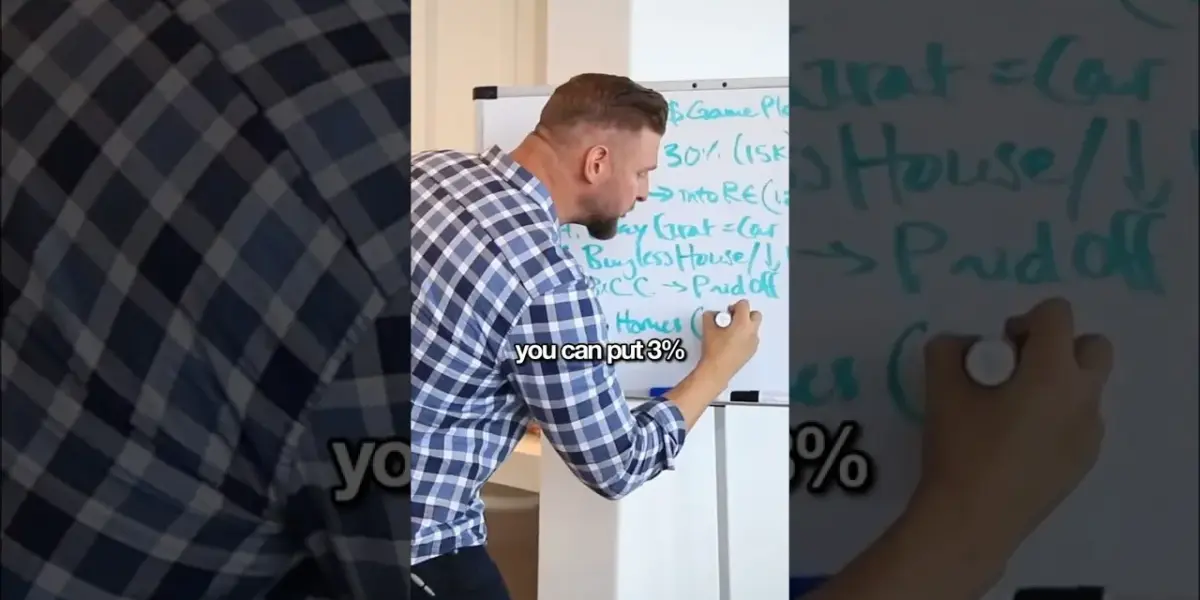
Young Buyers: Buy Two Homes Before 30
A smart strategy is emerging for young people looking to build wealth through real estate. The idea is simple: buy two homes you live in before you turn 30. This approach uses low down payments and rental income to jumpstart your investment journey. It turns a primary residence into an income-generating asset quickly.
The traditional path to homeownership often requires a 20% down payment. For a $200,000 home, that’s a hefty $40,000. This new strategy offers a shortcut. Many banks allow buyers to put down as little as 3%. On that same $200,000 home, this means a down payment of just $6,000. This small amount makes buying a first home much more achievable for younger individuals.
How the Strategy Works
The plan involves buying a first home, living in it for a period, and then moving on to a second home. While living in the first house, you can reduce your housing costs. If you’re single, renting out rooms to roommates can help cover the mortgage. The goal is to make the property pay for itself, or at least significantly reduce your personal housing expense.
After about two years, you move out of the first home and buy a second one. Crucially, you don’t sell the first property. Instead, you rent it out to new tenants. This first home now becomes an investment property. You are now living in your second home, which you also occupy as your primary residence.
Turning Your First Home into an Investment
Once you move out of your first home and rent it, it can start generating income. This income is called cash flow. Cash flow is the money left over after paying all property expenses, like the mortgage, taxes, and maintenance. Even a small positive cash flow builds wealth over time.
Some investors use a lease option strategy. This involves a tenant paying an upfront fee, often called an option fee, and monthly rent. The tenant has the right to buy the property later at a set price. This can bring in significant upfront cash and profit when the tenant eventually buys the home.
Intentional Investing vs. Accidental Investing
This strategy encourages intentional investing. Instead of buying a home just to live in and then later buying another without a plan, this method is deliberate. You choose your first home with its future potential as a rental property in mind. You buy a house that you believe will be desirable to renters.
When people get serious about their lives, they often buy a second home. This strategy suggests doing it a little differently. By intentionally buying the first home as an investment asset, you set yourself up for greater financial success. You become a real estate investor while still having a place to live.
Regional Variations and Who Benefits
This strategy is particularly beneficial in areas with high rental demand and relatively lower home prices. Markets where starter homes are more affordable make the initial 3% down payment more manageable. Buyers in these regions can more easily acquire their first property.
Sellers in these markets can also benefit. They are more likely to find buyers using these lower down payment options. Investors, especially those just starting out, find this method appealing because it lowers the barrier to entry. It allows them to build a portfolio without needing massive amounts of capital upfront.
Broader Economic Context
The current economic climate, with fluctuating interest rates and housing prices, makes strategic planning crucial. While interest rates can impact mortgage affordability, the long-term appreciation of real estate remains a key factor. The ability to rent out a property can help offset rising costs and mortgage payments.
Understanding concepts like Loan-to-Value (LTV) ratios is important. LTV compares the loan amount to the property’s value. A 97% LTV means a 3% down payment, which is common for first-time buyer programs. This strategy maximizes LTV to reduce initial cash needed.
The Long-Term Vision
The core idea is to build equity and generate passive income early in your career. By the time you reach 30, you could own two properties. One would be your primary residence, and the other would be an income-producing asset. This financial foundation can provide significant security and opportunities for future investments.
This approach requires a willingness to move and manage rental properties. However, the potential rewards of building a real estate portfolio at a young age are substantial. It’s a way to become an intentional investor from the start, setting a course for long-term financial success.
Source: Buy Two Homes Before 30: The Real Estate Strategy That Sets You Up for Success (YouTube)

Related Articles

Buy This First Rental Property in 2026
Aspiring real estate investors should focus on single-family homes or small multi-family units needing light cosmetic work for their first rental property. Key strategies include targeting C-class neighborhoods, avoiding major repairs, and adhering to the 1% rule for cash flow.


Smart Debt Use Fuels Investor Returns
Using borrowed money strategically, rather than solely focusing on debt elimination, can accelerate wealth building. By borrowing at low rates and investing in assets with higher returns, investors can profit from the difference. Real estate is a prime example, where mortgages can fund income-generating properties.

Unlock Home Equity for Faster Retirement
Homeowners can now potentially accelerate their path to early retirement by strategically using their home equity. A new strategy focuses on generating significant monthly cash flow from investment properties, aiming to cover loan payments and provide substantial income. This approach includes a program to guarantee loan payments, reducing investor risk and shortening financial freedom timelines.