Yemen’s Houthis Join Mideast Conflict, Sparking Fears
Yemen's Houthi rebels have escalated the Middle East conflict by launching attacks and threatening vital shipping routes. This move, supported by Iran, widens the geographic scope of the war and creates new concerns for global trade. Amidst rising tensions, diplomatic efforts are underway, but a significant U.S. military presence in the region suggests a potentially volatile period ahead.

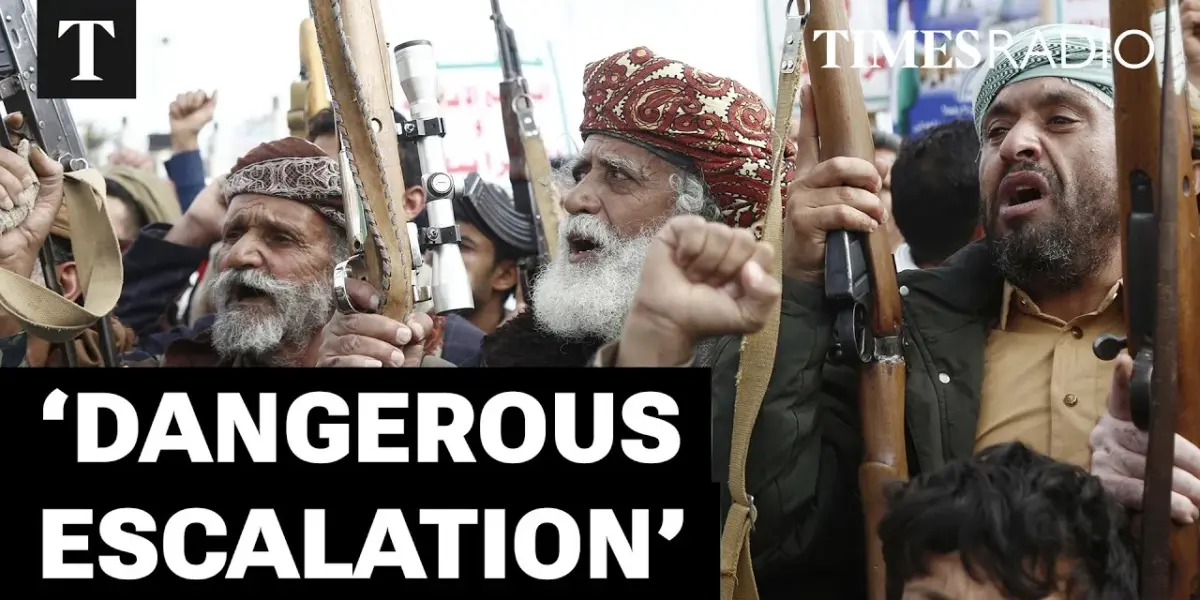
Houthis Launch New Attacks, Widening Regional Conflict
The conflict in the Middle East has taken a dangerous turn as Yemen’s Houthi rebel group has entered the fray, launching attacks and vowing to intensify their efforts. This development marks a significant escalation, bringing a new player into the already tense regional situation. The Houthis, who control key areas of Yemen including the capital, are a major proxy group supported by Iran. Iran provides them with weapons, training, and military intelligence, making their involvement a direct extension of Iran’s influence.
A Wider War: Geographic and Strategic Implications
The Houthis’ involvement is strategically significant due to Yemen’s location. Situated next to Oman and south of Saudi Arabia, Yemen’s involvement spreads the conflict across a wider geographic area. Reporter Tommy Walker, speaking from Doha, Qatar, described the situation as a “dangerous escalation.” He noted that the United States and Israel have previously conducted air attacks against the Houthis, suggesting that further responses are likely. This situation creates a scenario where potential escalations are constantly looming.
Iran’s Advantage Amidst Pressure
For Iran, the Houthis’ actions provide a welcome distraction and support. While Iran has faced significant pressure and attacks from the U.S. and its allies over the past several weeks, they still possess considerable missile and drone capabilities. Attacks have impacted areas within the Gulf, including the UAE. The Houthis’ involvement helps Iran by opening another front, drawing attention away from direct confrontations and potentially diverting resources from its adversaries.
Threats to Global Trade Routes
Beyond direct military actions, the Houthis have also raised concerns about global trade. They have threatened to close a second major shipping route, a strait between the Arabian Peninsula and Africa. This follows concerns about the Strait of Hormuz, a vital chokepoint that significantly impacts global fuel prices. While the Houthis’ actual power to close such a strait is debated, the threat alone creates uncertainty and potential disruptions to international commerce and energy supplies.
Conflicting Signals: Peace Talks vs. Military Buildup
Amidst the rising tensions, there are also conflicting signals regarding potential diplomatic solutions. Speculation about peace negotiations between Iran and the United States has intensified, with countries like Pakistan and Turkey reportedly being considered as mediators. However, these discussions appear to be happening simultaneously with a significant military buildup. Thousands of U.S. troops have reportedly landed in the region, prepared for a potential ground assault, though it has not yet been approved.
A Complex Diplomatic Landscape
The diplomatic path forward is complex. While various diplomatic discussions have occurred involving the Arab League and GCC states, the effectiveness of these talks remains uncertain. Some analysts believe that ultimately, the resolution may depend heavily on decisions made by key international players. The Gulf States, who are geographically neighbors to Iran, are particularly focused on securing future assurances against Iranian threats, such as closing vital shipping lanes or launching attacks on oil facilities and airports. Their primary concern is ensuring stability and preventing future disruptions.
Uncertain Future: Worsening Before Improving?
Reporter Tommy Walker expressed a cautious outlook, suggesting that the situation “might get worse before it gets better.” He highlighted the ongoing attacks, the arrival of U.S. troops, and the involvement of the Houthis as factors contributing to this sentiment. Meanwhile, leaders like Ukrainian President Zelenskyy have been engaging with Gulf States to bolster their defensive capabilities against drone attacks, indicating a broader effort by regional actors to prepare for potential escalations. The combination of military deployments and diplomatic efforts creates a dynamic and uncertain environment, leaving many to wonder what the next steps will be in this evolving conflict.
Source: ‘Dangerous Escalation’ In Middle East Conflict As Houthis Enter The War (YouTube)

Related Articles


Trump’s War Gamble: Unpopular Conflict Risks Voter Backlash
President Trump is reportedly considering sending 10,000 more troops to the Middle East amid widespread public disapproval of the Iran conflict. Polls show a significant majority disapprove of his handling of the war and the economy, suggesting a political backlash looms.


Vance Vanishes: Senator’s Silence on War Sparks Political Fallout
Senator JD Vance's quiet stance on a new Middle Eastern conflict has drawn criticism, especially as rival Marco Rubio gains political traction. This analysis explores Vance's silence, Trump's past warnings about war, and the economic impact of the ongoing tensions, questioning the accountability of politicians during wartime.
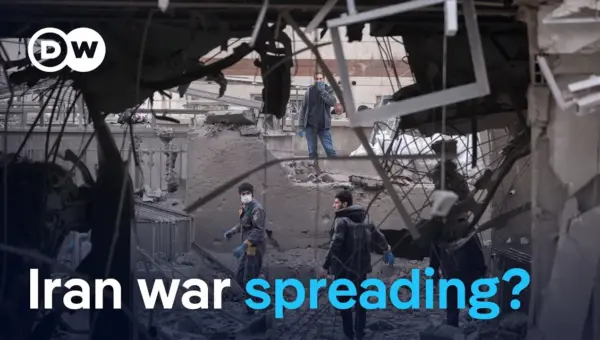
US Considers Ground Troops as Iran Conflict Intensifies
Middle East powers convene in Pakistan for peace talks as the month-long war intensifies. The US is reportedly considering ground troops amid escalating strikes on Iran, while experts caution against air power's political pitfalls and highlight the risks of a prolonged conflict.