Yemen’s Houthis Escalate Middle East Conflict With Israel Strike
Yemen's Houthi rebels, backed by Iran, have directly attacked Israel with a missile, marking a significant escalation in Middle East tensions. While Israel intercepted the missile, the move signals a broader regional conflict drawing in more actors.

Yemen’s Houthis Escalate Middle East Conflict With Israel Strike
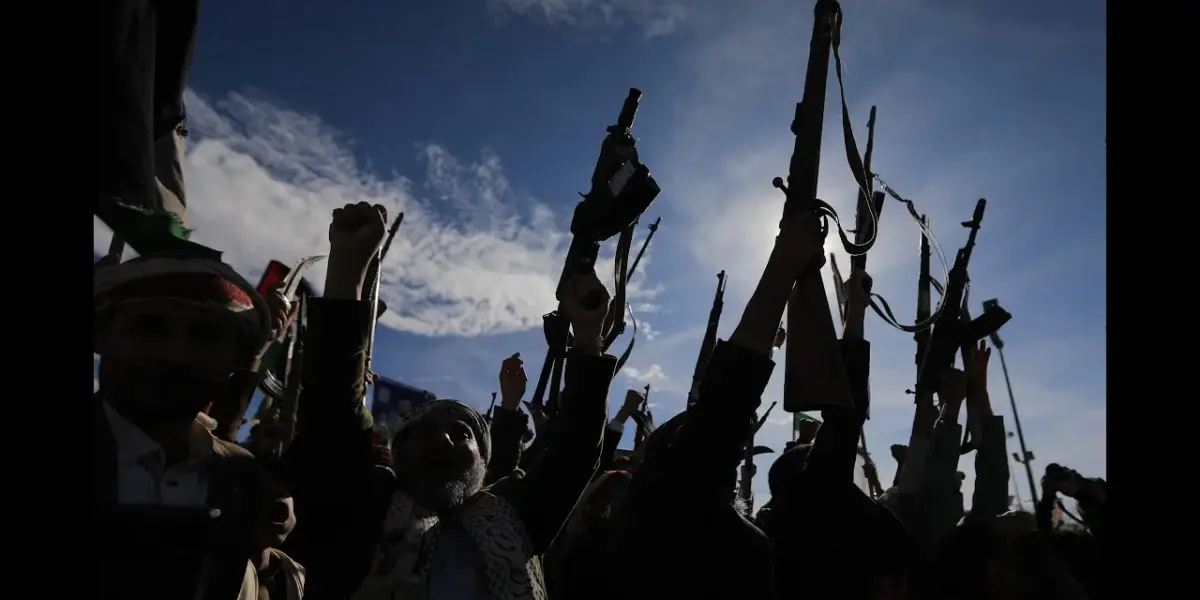
The conflict in the Middle East has taken a significant turn. Yemen’s Houthi rebels, who are supported by Iran, have directly attacked Israel. This action marks a new phase in the ongoing regional tensions.
A Houthi spokesperson confirmed their involvement in a missile attack. They stated that Houthi forces targeted what they called “sensitive Israeli military sites” in southern Israel. This is the first time the group has directly engaged Israel in this manner.
Israel’s Response and Context
Israel’s military reported that the attack involved a single missile. This missile was successfully intercepted and did not cause any damage. While the Houthi claim suggests a broader military operation, Israel downplayed the immediate impact of the strike.
This Houthi action comes at a critical time. The United States and Israel have reportedly conducted extensive operations against Iran. Sources indicate that over 15,000 targets in Iran have been hit. The Israeli Defense Forces (IDF) have also reported destroying or disabling a large number of Iran’s ballistic missile launchers.
Historical Background and Regional Dynamics
The Houthis have been engaged in a civil war in Yemen for years, receiving significant backing from Iran. Iran, a long-standing adversary of Israel, supports various groups across the Middle East, including Hezbollah in Lebanon and militias in Iraq and Syria. These groups are often referred to as the “Axis of Resistance.” The Houthis’ direct involvement against Israel can be seen as an extension of this broader Iranian strategy to pressure Israel and its allies.
For decades, Iran has sought to challenge Israeli dominance in the region. It has done so through proxies and by developing its ballistic missile program. The Houthis’ missile attack is a clear signal that the conflict is expanding beyond the immediate Gaza situation. It suggests a coordinated effort to create pressure on multiple fronts.
The Houthis’ stated goal is to support Palestinians and protest actions against them. However, their actions also serve Iran’s strategic interests. By opening a new front, they aim to divert Israeli resources and attention. This also increases the risk of wider escalation across the Middle East.
Why This Matters
The Houthi attack on Israel is more than just a single missile launch. It shows how the current Middle East conflict is drawing in more players. This increases the danger of the fighting spreading to other countries. A wider war would have severe consequences for global stability and economies, especially concerning oil supplies.
This event highlights the complex web of alliances and rivalries in the region. Iran’s role in supporting these proxy groups is central to understanding the escalating tensions. The Houthis’ direct engagement with Israel means that the conflict is no longer contained to just one or two areas. It is becoming a truly regional crisis.
Implications, Trends, and Future Outlook
The direct involvement of the Houthis raises serious concerns about future escalations. Other Iran-aligned groups might feel emboldened to launch similar attacks. This could lead to a significant increase in military actions across the Middle East. The region is already unstable, and this adds another layer of complexity.
The United States and its allies are now faced with a more challenging situation. They must consider how to respond to these expanding threats without triggering a full-scale regional war. The effectiveness of current military strategies, like targeting missile launchers, will be tested. It remains to be seen how these efforts will impact Iran’s ability and willingness to support further attacks.
Looking ahead, the situation demands careful diplomacy alongside military deterrence. The international community must work to de-escalate tensions. Preventing a wider conflict is crucial for regional and global security. The Houthi attack serves as a stark warning of how easily conflicts can spread in this volatile part of the world.
Source: Houthis Enter Iran War With Missile Attack on Israel (YouTube)

Related Articles

Iran Shuns China’s Peace Plan, Straining Global Trade
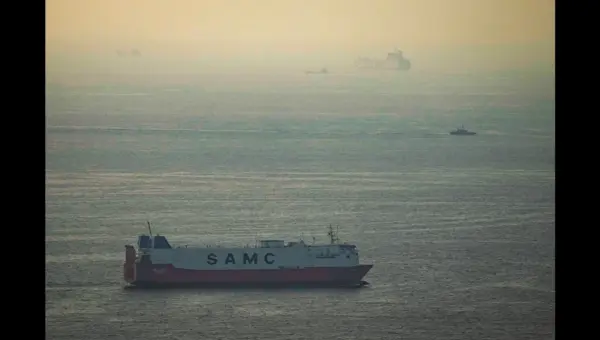
Iran has rejected China's attempt to mediate the ongoing war, a move that insiders say is hindering Beijing's global ambitions. The decision also impacts trade, as Iran restricts Chinese cargo ships in the Strait of Hormuz, driving up prices in China.

Iran’s Ex-Prince Vows ‘Make Iran Great Again’ at CPAC
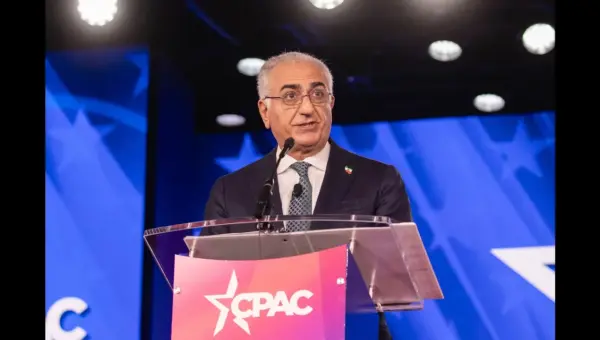
Reza Pahlavi, Iran's former crown prince, spoke at CPAC, vowing to 'Make Iran Great Again' and detailing alleged atrocities by the current regime. His appearance sparks debate about his potential leadership role and the future of Iran.

Iran-Backed Houthis Target Israel; US Troops Surge in Middle East
The Houthis, backed by Iran, launched a missile at Israel, escalating regional tensions. Meanwhile, over 3,500 US troops have arrived in the Middle East. Separately, a new White House task force is tackling widespread government fraud, with expert Michael Bustler highlighting the significant financial and trust implications. The report also touches on the ongoing DHS funding debate and sports news.