XPeng G6 Shocks With Performance, Drives EV Adoption
The XPeng G6 is proving to be a standout EV with thrilling performance, bolstering the appeal of electric vehicles. While facing market challenges, its strong product and agile strategy position it for success. Meanwhile, the economic benefits of fleet electrification are becoming undeniable, even as charging infrastructure challenges are addressed.


XPeng G6 Delivers Thrilling Performance, Bolstering EV Appeal
The automotive world is in constant flux, and staying on top of the latest developments can feel like a whirlwind. Recent weeks have brought significant global shifts, impacting everything from travel plans to the cost of living. Amidst this uncertainty, the electric vehicle (EV) sector continues its rapid evolution, with companies like XPeng emerging as key players. Their G6 model, in particular, is making waves with its impressive performance, proving that EVs are not just practical but also exhilarating.
XPeng’s Ambitious Vision
XPeng is more than just a car manufacturer; it’s a technology company with a broad vision. Beyond their impressive electric vehicles, they are exploring advanced areas like autonomous driving software, robotics, and even electric vertical takeoff and landing (eVTOL) aircraft. This forward-thinking approach positions XPeng as a company deeply invested in the future of mobility.
The XPeng G6: A Game-Changer on the Road
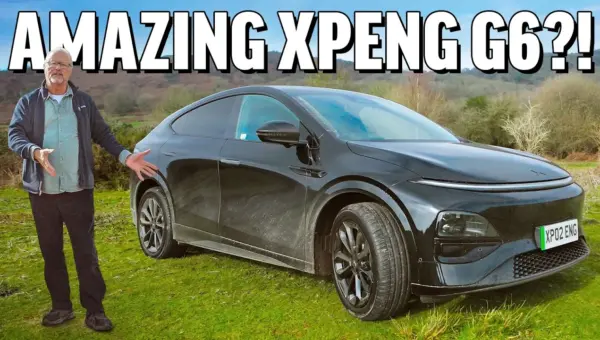
The XPeng G6 has been turning heads, especially its performance variant. Early reviews suggest it offers an extraordinary driving experience, placing it among the top contenders in the EV market. With its exceptional technology and competitive pricing, the G6 represents a significant step forward for both XPeng and the broader EV industry. This compelling package is now available in the UK, with more models expected to arrive soon.
Navigating Market Challenges
While XPeng’s products are impressive, entering new markets presents unique challenges. The company recently faced a setback in Australia when its distributor, True EV, went into administration. This situation highlights the complexities of market entry, where a strong product needs to be supported by a robust distribution and sales strategy. XPeng is expected to adapt quickly, likely by establishing its own direct sales operations, a strategy seen with other Chinese automakers like BYD.
The Evolving Dealership Model
The success of EV brands often hinges on how they connect with consumers. XPeng’s approach, embracing traditional dealerships and engaging directly with customers, has been well-received. A recent event in Scotland showcased this, with a family-owned dealership enthusiastically adopting the XPeng brand and attracting a strong customer turnout. This hands-on approach helps demystify EVs and build trust, overcoming potential reluctance some consumers might have.
Chinese Automakers: Agility and Strategy
Chinese EV manufacturers, including XPeng, often demonstrate remarkable agility. Compared to established legacy automakers, they tend to be more responsive to market changes. This agility allows them to quickly pivot strategies, trim underperforming projects, and focus resources where they are most effective. This top-down approach enables faster decision-making and adaptation, a crucial advantage in the fast-paced automotive industry.
Fleet Electrification: A Clear Economic Advantage
The rising cost of fossil fuels is increasingly pushing businesses towards electric vehicles for their fleets. Studies show that electric company cars can be up to 64% cheaper to operate than their gasoline counterparts, with electric light commercial vehicles (LCVs) showing a 38% cost saving. These compelling economics make EVs a no-brainer for companies looking to reduce running costs and improve their bottom line. As more electric van and pickup truck options become available, this trend is expected to accelerate.
Addressing the Charging Gap
While the economic case for fleet electrification is strong, challenges remain, particularly for drivers who lack access to home charging or driveways. Public charging costs can be significantly higher, creating a disparity. However, government initiatives, such as funding for clean trucks and chargers at depots, are helping to bridge this gap. The industry is working to make the transition equitable, ensuring that the benefits of EVs are accessible to a wider range of users.
The Future is Electric, Despite Shocks
Despite geopolitical events that could impact oil prices, the momentum towards electrification is undeniable. Misinformation about EV limitations, such as battery lifespan, is being countered by facts and the undeniable economic advantages. As more companies and individuals embrace EVs, the industry will continue to innovate, addressing remaining challenges and solidifying electric mobility as the future standard.
Source: XPeng Explodes? Fleet Cheat? Oil Shocks? (YouTube)

Related Articles


US Faces Global Trade Shift as Auto Jobs Flee
The US is losing its global edge in auto manufacturing as jobs move to Europe, a shift overshadowed by internal culture wars and fears of foreign billionaires. Critics argue this distraction prevents Americans from addressing real economic decline and rising costs, while allies reassess their ties to a nation perceived as increasingly divided and economically vulnerable.


Sony’s PlayStation Car Canceled, EV Market Woes Continue
Sony's ambitious PlayStation car project, Afeela, has been abruptly canceled just months before its planned release. The futuristic EV, which promised integrated gaming features, fell victim to the increasingly competitive and challenging electric vehicle market. This move highlights the tough road ahead for new entrants in the EV space.

XPeng G6 Electrifies Market as Serious Tesla Model Y Competitor
The XPeng G6 is a new electric SUV challenging the Tesla Model Y with rapid 800-volt charging and a comfortable, high-tech interior. Offering impressive range and solid build quality, it presents a compelling value proposition for discerning EV buyers.