Xi’s Purges Deepen, Signaling Consolidation, Not Weakness
Xi Jinping's intensified purges within China's military and political elite signal a consolidation of power, not a weakening grip. This trend underscores a strategic focus on loyalty and ideological conformity ahead of crucial political events, with significant implications for global stability.

Xi’s Purges Deepen, Signaling Consolidation, Not Weakness
China’s political landscape is currently dominated by the annual “two sessions,” a period where the National People’s Congress (NPC) and the Chinese People’s Political Consultative Conference (CPPCC) convene to set national priorities. This year, the focus is particularly sharp, with the approval of the 15th Five-Year Plan (2026-2030) at the forefront. This plan is significant not only for its economic blueprints but also for its alignment with Xi Jinping’s stated goal of military readiness for a potential Taiwan takeover by 2027. Amidst this crucial planning phase, a wave of purges within China’s military and political bodies has intensified, prompting questions about Xi Jinping’s grip on power.
A Pattern of Purges and Declining Attendance
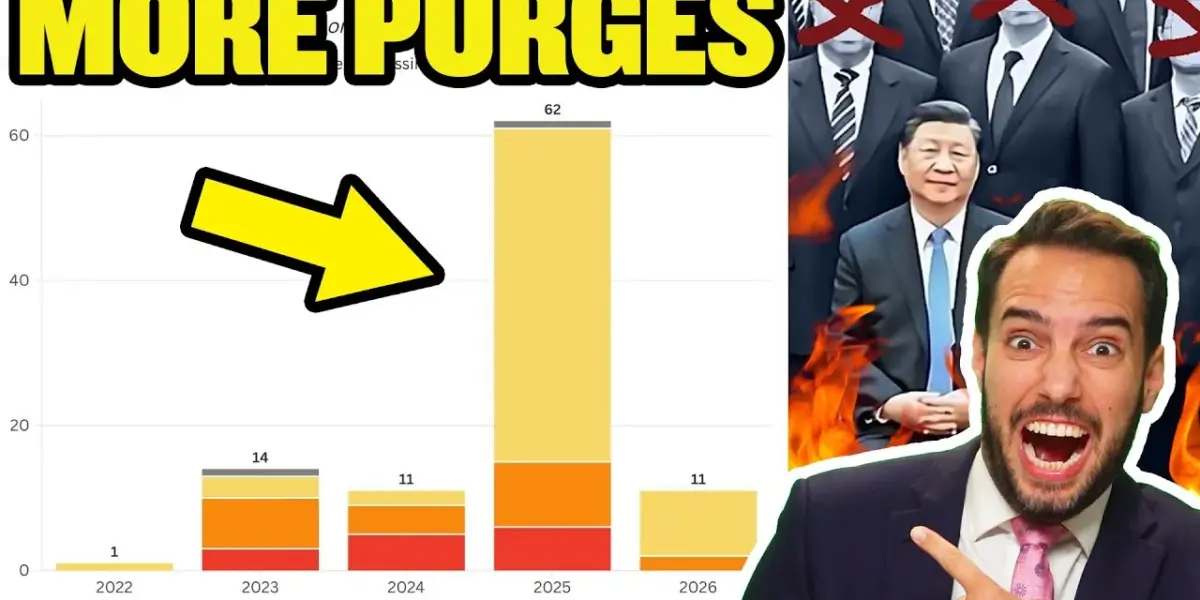
The recent “two sessions” have been marked by a conspicuous absence of many officials, particularly from the military. The number of delegates present at the opening ceremony of the NPC was the lowest since 2000, with a significant number of unexplained absences. This trend extends to the CPPCC, where military representation has dwindled, and several retired generals have been removed from their positions without public explanation.
The scale of these purges is notable. In February, 19 individuals were removed from the NPC, including a minister, a former provincial party secretary, the head of the military court system, and nine generals. This has reportedly shrunk the military delegation to the NPC to its smallest size since 1974. According to Sino Insider, the removal of an NPC deputy typically signifies a loss of political credibility, formal investigation, or severe party disciplinary action. The sheer number of such removals suggests a deep-seated issue within the party’s ranks.
The purges have not spared any branch of the military, affecting the Ground Force, Navy, Air Force, Rocket Force, Central Military Commission (CMC), and the newly established Information Support Force. Even retirement offers no sanctuary, as evidenced by the removal of officials who had connections to previously purged figures. This interconnectedness suggests a widening net, where the removal of one official triggers investigations into others, creating a cyclical pattern of purges.
Consolidation of Power, Not Erosion
While some observers have speculated that the purges indicate Xi Jinping is losing power, a closer examination of the events suggests the opposite. The continuous emphasis on Xi Jinping’s ideology, the stringent calls for loyalty, and the crackdown on factionalism, as exemplified by the “10 strict prohibitions,” point towards a deliberate consolidation of power. The joint calls from the Central Commission for Discipline Inspection and the CCP Organization Department for adherence to Xi Jinping’s directives, and the requirement for party members to study his statements on political performance, all underscore a drive to centralize authority around him.
The redefinition of political achievement, now explicitly tied to understanding and upholding “the decisive significance of the two establishments and achieving two safeguards”—which essentially means placing Xi Jinping at the core of the party—further supports this interpretation. This focus on political loyalty over economic performance, particularly as China approaches the 2027 Party Congress where Xi is expected to seek a fourth term, indicates a strategic move to ensure absolute control.
Historical Context and Implications
The current purges echo historical patterns within authoritarian regimes, where leadership seeks to eliminate potential rivals and ensure ideological purity. In China’s case, Xi Jinping has systematically dismantled existing power structures and promoted a cult of personality, reminiscent of Mao Zedong’s era. The focus on loyalty and ideological conformity is a stark departure from the more technocratic and performance-oriented approach seen in previous decades.
The implications of this power consolidation are far-reaching. On one hand, it could lead to increased political stability under a single, dominant leader. However, it also carries significant risks. The creation of an echo chamber, where officials are more concerned with pleasing Xi than with providing honest assessments, could lead to flawed decision-making, particularly in critical areas like economic policy and military readiness. The emphasis on political loyalty over competence might also undermine the effectiveness of institutions, including the People’s Liberation Army (PLA).
Why This Matters
The ongoing purges in China are not merely an internal political affair; they have profound implications for global stability and international relations. Xi Jinping’s consolidation of power, driven by a desire for absolute control and ideological purity, signals a more assertive and potentially unpredictable China on the world stage. The focus on military readiness, particularly concerning Taiwan, coupled with internal purges that may affect military effectiveness, creates a volatile geopolitical environment.
Furthermore, the shift in emphasis from economic performance to political loyalty could impact China’s economic policies and its engagement with the global economy. As China weaponizes its economic and political strategies against other nations, understanding the internal dynamics driving these decisions is crucial for foreign policy and security planning. The CCP’s continued existence, regardless of who is at its helm, poses a fundamental challenge to democratic values and international norms. Vigilance and a clear understanding of Beijing’s intentions are therefore paramount.
Future Outlook
As China embarks on its 15th Five-Year Plan and gears up for the 2027 Party Congress, Xi Jinping’s intensified purges suggest a determination to secure his legacy and maintain absolute control. The trend of prioritizing political loyalty over competence is likely to continue, potentially shaping China’s domestic policies and its foreign policy posture for years to come. While the PLA’s centralized system may still allow for the execution of orders, the long-term impact on its readiness and decision-making capabilities remains a concern.
The narrative that Xi Jinping is weakening is being actively countered by evidence of his increasing control. The purges are not a sign of instability within his leadership, but rather a tool to enforce unwavering loyalty and eliminate any perceived dissent. As long as the CCP remains in power, its policies will continue to be a source of tension and potential conflict with the international community. The future outlook suggests a China that is more ideologically driven and more determined to assert its influence, making it imperative for the world to remain vigilant.
Source: Even MORE Purges Rock China’s Military (YouTube)

Related Articles
Beijing’s Paranoia: Is Xi Jinping Losing Control?
The CIA's unprecedented public recruitment campaign in China, evidenced by 115 million video views, coincides with unsettling arrests and loyalty tests within Beijing's elite. The regime's deepening paranoia suggests internal fractures may pose a greater threat than external adversaries.
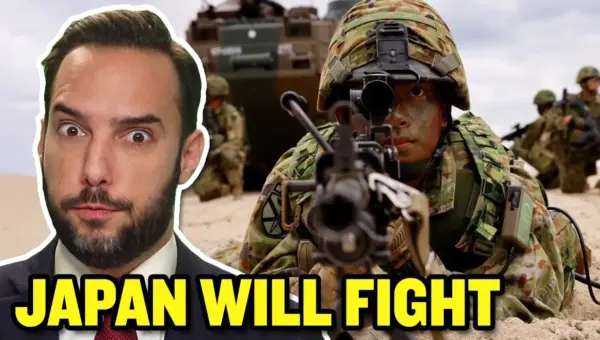
Japan Deploys Missiles Near Taiwan, Escalating China Tensions
Japan is deploying medium-range missiles on Yonaguni Island near Taiwan by 2031, signaling a significant escalation in regional tensions with China. This move is part of Japan's broader strategy to counter perceived threats from Beijing and bolster its own defense capabilities in response to China's assertive actions.
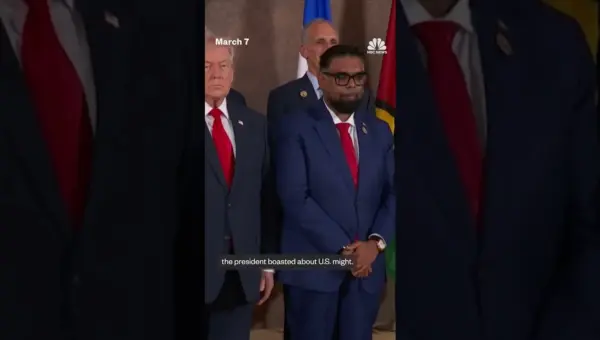
Trump Honors Fallen Soldiers Killed in Iran Drone Attack
President Donald Trump honored six U.S. soldiers killed in an Iranian drone attack during a solemn ceremony at Dover Air Force Base. The event followed a day of the president projecting strength on military options against Iran and engaging with Latin American leaders.