Xi’s Diplomacy Falters: Trump Visit Reveals China’s Weakness
China's carefully crafted diplomatic efforts for a state visit by Donald Trump are crumbling under his transactional demands. Beijing's attempts to project strength are backfiring, revealing a shift in power dynamics.

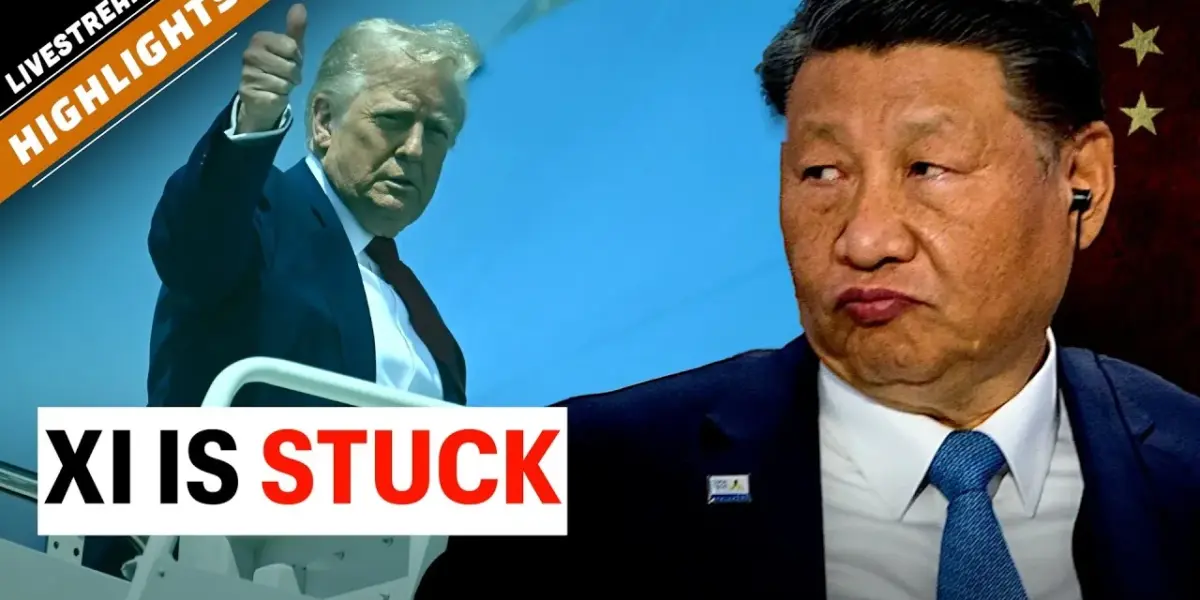
Xi’s Diplomacy Falters: Trump Visit Reveals China’s Weakness
Hosting a US president is more than just a diplomatic event for China’s ruling Communist Party (CCP). It’s seen as a powerful tool for shaping global perceptions. Nine years ago, in November 2017, then-President Donald Trump visited Beijing. China’s leaders rolled out the red carpet, clearing the Forbidden City for his visit and having President Xi Jinping personally give him a tour. Trump even became the first foreign leader to be hosted for dinner inside the Forbidden City since the People’s Republic of China was founded. This level of honor showed the importance China placed on the visit.
Fast forward to today, and the situation in Beijing is dramatically different. Officials tasked with arranging Trump’s potential visit are under immense pressure, facing what seems like an impossible mission. They are ordered to treat Trump with utmost respect to avoid hefty tariffs, yet they must also ensure the visit appears as a tribute to China’s leader on national television. This creates a conflict: protect the relationship with the US while also protecting the leader’s image at home. This dual demand is straining China’s government machinery.
A Scriptless Spectacle
Normally, such high-level visits are planned meticulously months in advance, with every detail, even smiles, scripted. However, this time, the usual process is off-balance because the American side isn’t cooperating. Instead of a grand state visit, Washington has signaled it’s more of a business trip. Reports suggest the US advance team didn’t arrive until early March, just weeks before the scheduled visit. The message from Washington was clear: this is about business, not a performance; no rehearsals, no script.
In the world of CCP diplomacy, a lack of a script is deeply unsettling. Without a script, there’s no show, and without a show, there’s no political narrative for China to present to its people and the world. This is the first major frustration for Beijing.
Shorter Schedule, Smaller Stage
The second point of friction is the travel schedule. Beijing had prepared a familiar plan: a grand welcome in the capital, followed by a trip to a major southern city like Shanghai or Shenzhen. These locations are chosen for their impressive skylines and the ability to mobilize crowds, creating a spectacle. The goal is to photograph the US president against China’s modern achievements, suggesting he is witnessing and acknowledging China’s economic success. This strategy has been used repeatedly with leaders like Emmanuel Macron, Keir Starmer, and Olaf Scholz, always with carefully managed visuals.
However, Washington rejected this plan outright. No second city, no extended tour. The official reason given was a tight schedule and logistical issues. The visit was ultimately squeezed into a short window: arriving March 31st and departing April 2nd, with only one full day in Beijing. For CCP officials, this is a shock. What was meant to be a grand state visit has been reduced to a brief, transactional stopover. It’s like planning a royal banquet only to have the guest treat it like a quick drive-thru meal.
Business as a Political Tool, Denied
Traditionally, China uses state visits to host large groups of business leaders. The strategy is simple: engage top CEOs, showcase market opportunities, and encourage them to lobby their own governments for policies favorable to Beijing. This long-standing tactic of using business to influence politics has worked for China for decades. But this time, Washington shut it down. The US Trade Representative’s Office made it clear: no large business delegation, no CEO entourage, not a single businessman. The US side does not want corporate interests to complicate the agenda or be used by Beijing as a bargaining chip.
An Awkward Reunion
Adding to Beijing’s discomfort is a specific individual on Trump’s team: Secretary of State Marco Rubio. To the CCP, Rubio has long been labeled a villain and an anti-China extremist. Years ago, when he was a senator, Rubio took strong stances on issues like Xinjiang and Hong Kong. Beijing even placed him at the top of its blacklist, imposing sanctions and banning him from mainland China, Hong Kong, and Macau for life. Now, China is preparing to welcome him as a powerful figure in Washington, rolling out the red carpet.
This situation is highly awkward for the leadership. If you search for Rubio on the Chinese Ministry of Foreign Affairs website, you’ll find nothing. All past angry statements and sanctions have been quietly erased. This shows the reality: Xi Jinping is trying to secure this visit, not the other way around. Beijing has already offered significant concessions, including large orders of American soybeans and oil. The most notable offer is a potential purchase of around 500 Boeing 737 Max jets and another 100 wide-body aircraft, totaling nearly 600 planes.
Economic Strain and Questionable Deals
The question is whether China’s aviation market actually needs 600 new planes right now. With a slowing economy, weakening consumer spending, and airlines already struggling with empty flights and low ticket prices, ordering so many planes seems questionable. It’s like someone struggling to pay their mortgage suddenly buying multiple luxury cars. The leadership likely hopes this massive order will persuade Washington to ease restrictions on technology, like engines and components for China’s own C919 jet program. However, the US position seems firm: business is business, and sanctions are sanctions.
Political Concessions and Trump’s Bombshells
Beijing is also preparing political concessions, such as a proposed 30-day visa-free policy for US citizens during Trump’s visit. Discussions are also underway to reopen consulates. In 2020, the US closed the Chinese consulate in Houston, calling it a spy hub, and Beijing retaliated by closing the US consulate in Chengdu. Now, to create a positive atmosphere, Beijing is willing to reverse this decision and reopen both consulates.
However, these concessions might not sway Trump. Just before the trip, he delivered three significant blows to Beijing. First, on March 12th, the US launched a major trade investigation (Section 301) targeting China’s economic model, specifically its overcapacity in manufacturing. By doing this before the trip, Trump sent a clear message: fancy dinners and cultural performances won’t make him ignore unfair trade practices.
Second, a $20 billion arms deal for Taiwan was finalized, including advanced Patriot missile systems designed to counter Chinese aircraft and missiles. This is the largest arms deal in Taiwan’s history. Despite Xi Jinping urging Trump in a phone call to handle Taiwan carefully and not let the deal go through, Trump proceeded. He reportedly delayed the announcement until after his return from Beijing, ensuring the deal would be known shortly after his visit.
Third, the Strait of Hormuz ultimatum. Trump publicly demanded that Xi Jinping take action to keep sea lanes open, especially through the Strait of Hormuz, warning that the visit might be delayed if China didn’t cooperate. This puts Xi in a difficult position. China relies heavily on oil passing through this strait. If Xi’s navy helps, it aligns China with the US and distances it from Iran, potentially shattering his strongman image domestically. If he refuses, Trump might delay or cancel the meeting, which would also be a significant political cost.
Xi’s Options Narrow
Xi Jinping’s options are very limited. If he wants the visit to proceed as planned, he will likely have to offer even more concessions. If Trump delays or walks away entirely, the political damage to Xi will be substantial. Xi intended to use this visit to project strength, but it risks doing the opposite. Trump is not focused on making Xi look good; he’s willing to delay the visit until he gets what he wants. The strategic environment has also shifted, with increased pressure around the Strait of Hormuz weakening China’s leverage, as half of its oil imports pass through that route. If the meeting doesn’t happen, the message will be clear: Beijing needed the meeting more than Washington.
Why This Matters
This situation highlights a significant shift in the balance of power between the US and China, at least in the context of this specific diplomatic engagement. China’s traditional diplomatic playbook, which relies on carefully managed optics and using economic ties to influence political outcomes, is being challenged. The CCP’s desire to project strength and control the narrative is clashing with Trump’s transactional, ‘America First’ approach. The US is demonstrating that it can dictate terms and that China’s economic leverage, while still significant, is not absolute.
Implications and Future Outlook
The implications are far-reaching. If Trump continues to prioritize his own leverage and demands over traditional diplomatic niceties, future high-level interactions between the US and China could become even more unpredictable and contentious. This could lead to a more fragmented global stage, where economic and political interests are increasingly at odds. For China, it suggests a need to rethink its diplomatic strategies, as the old methods may no longer be effective against leaders like Trump. The future outlook points towards a continued tough stance from the US, particularly concerning trade and strategic issues like Taiwan, while China will likely continue to offer economic incentives, hoping to find a way to regain some leverage.
Historical Context
The history of US-China relations is marked by periods of intense competition and cautious engagement. From the opening to China under Nixon to the strategic partnership during the Cold War, and then the complex relationship of today, each era has had its own diplomatic rituals. The 2017 visit was a high point of Trump’s outreach, showcasing a more conciliatory approach. The current situation, however, reflects a more confrontational dynamic, where past diplomatic gestures are being overshadowed by immediate political and economic demands. This shift underscores how geopolitical landscapes can change rapidly, forcing leaders to adapt their strategies.
Source: Trump Delays China Visit — Xi Is Running Out of Options (YouTube)

Related Articles

China Fights Back: Tariffs Loom Ahead of Trump Visit
China is retaliating against US trade investigations that could lead to higher tariffs. This escalating trade tension occurs just before a planned visit by President Trump. The dispute involves accusations of unfair practices and impacts global supply chains.


Israelis Forge Resilience Amidst Constant Bomb Shelter Drills
Life in Israel is a blend of resilience and constant vigilance, with many families adapting to frequent bomb shelter drills and even sleeping in makeshift shelters. Despite ongoing missile attacks, Israelis strive to maintain normalcy, though businesses face disruption and emotional fatigue is a growing concern.


Israel Escalates Iran Strikes, Warns of Wider War
Israel has launched significant strikes inside Iran following continued missile fire, warning of further escalation. The conflict risks wider regional instability and economic disruption, especially concerning the Strait of Hormuz.