Xi Jinping’s Risky Gamble: A Secret Message in Xiong’an
Xi Jinping's recent trip to Xiong'an, his envisioned "future capital," breaks with tradition and signals deeper political currents. The visit attempts to project strength amidst rising questions about military loyalty and public perception, highlighting the risks of his carefully staged public appearances.

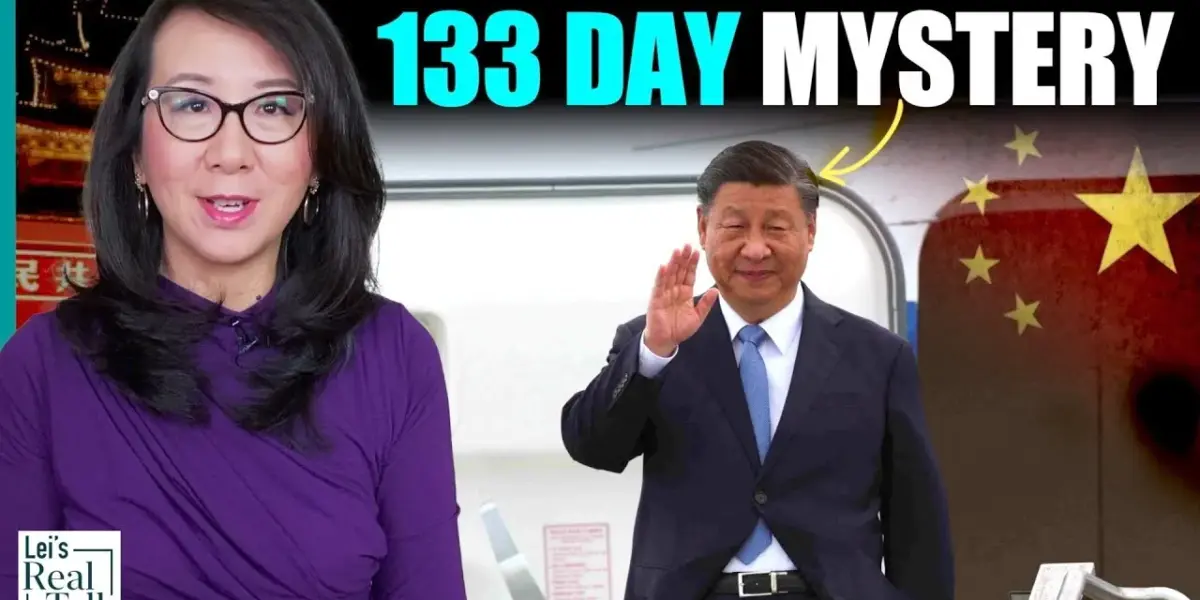
Xi Jinping’s Risky Gamble: A Secret Message in Xiong’an
For 133 days, China’s leader, Xi Jinping, remained in Beijing. Then, he took his first trip outside the capital. His destination was Xiong’an, a city he has personally championed as a future capital. This move breaks with the usual habits of the Chinese Communist Party (CCP). It also raises important questions about why now and why this specific location.
This visit wasn’t just a routine stop. It was a carefully planned event. However, beneath the surface, it may carry hidden dangers for Xi. The trip signals deeper issues, including growing questions about military control and a possible split within some army units. The legacy of Xiong’an itself and a past flood event in Zhuozhou also add layers to this carefully staged display.
The Unusual Break from Tradition
Chinese leaders usually travel more frequently. Xi’s long stay in Beijing was unusual. His choice to visit Xiong’an, a city meant to be a symbol of his vision for China’s future, is significant. It suggests he wanted to send a strong message. This message was likely about his control and his long-term plans for the country.
Xiong’an: A Symbol of Xi’s Ambition
Xiong’an New Area, located about 100 kilometers southwest of Beijing, is more than just a construction project. It’s a city designed from scratch. It’s meant to house government institutions, businesses, and residents. Xi has called it a place for “innovative development.” It’s seen as a way to ease the pressure on Beijing and create a model for future urban planning in China.
The idea behind Xiong’an is to create a smart, green city. It aims to attract talent and businesses. However, building a new capital is a massive undertaking. It requires huge investments and significant political backing. Xi’s personal commitment to Xiong’an makes it a symbol of his legacy. Any challenges to Xiong’an could be seen as a challenge to him directly.
Whispers of Military Unease
The visit also comes at a time when there are whispers about the military. Questions are being raised about who is truly in control of the People’s Liberation Army (PLA). Xi Jinping has worked hard to consolidate his power over the military. He has promoted loyalists and removed those he sees as a threat. However, reports suggest that some PLA units might not be fully aligned with his leadership.
This potential rift is a serious concern for any Chinese leader. The military’s support is crucial for maintaining power. By visiting Xiong’an, Xi might be trying to show strength and unity. He could be reminding everyone of his ultimate authority. However, the very need to make such a public display could hint at underlying problems.
The Shadow of the Zhuozhou Flood
Another factor adding complexity to Xi’s visit is the memory of the 2023 Zhuozhou flood. Zhuozhou is a city near Xiong’an. During the heavy rains last year, many areas were flooded. There was criticism about the government’s response. Some felt that resources were diverted to protect Xiong’an instead of helping flood-stricken areas like Zhuozhou.
This perception created public anger and raised questions about the government’s priorities. Xi’s visit to Xiong’an, so soon after this event, could be seen in different lights. It might be an attempt to reaffirm his commitment to his vision. Or, it could be interpreted as ignoring the concerns of people affected by the disaster. This adds a layer of risk to his carefully managed public image.
Why This Matters
Xi Jinping’s trip to Xiong’an is more than just a leader visiting a project. It’s a carefully crafted statement. It’s meant to project strength and control. However, the timing and location suggest underlying challenges. These include potential divisions within the military and public sentiment shaped by events like the Zhuozhou flood. The visit highlights the delicate balance of power in China. It shows how leaders use public appearances to manage perceptions and assert authority.
Implications and Future Outlook
This visit will likely be closely watched for signs of Xi’s political standing. His ability to manage potential military dissent and public opinion will be key. The success of Xiong’an as a “future capital” is also tied to his leadership. If the city thrives, it will bolster his image. If it faces setbacks, it could weaken his position.
The CCP’s tradition of secrecy often means that public actions are loaded with meaning. Xi’s choice to break with tradition and visit Xiong’an suggests he feels the need to communicate a strong message. This message is likely aimed at both domestic and international audiences. It’s about his vision for China and his grip on power.
Historical Context
Throughout history, Chinese leaders have used major projects and public appearances to solidify their rule. Building grand capitals or undertaking ambitious development plans has often been a way to demonstrate power and legitimacy. Think of Beijing’s Forbidden City or the construction of new cities in past dynasties. These were not just about infrastructure; they were about projecting the leader’s authority and vision for the empire.
Xi Jinping’s focus on Xiong’an fits this historical pattern. He is using it as a symbol of his “Chinese Dream.” He wants to show a modern, powerful China. However, unlike past emperors, Xi operates in a complex world. He faces modern challenges like social media scrutiny and international relations. This makes his efforts to control the narrative more difficult.
Conclusion
Xi Jinping’s first trip in 133 days to Xiong’an is a calculated move. It’s a signal in a complex political environment. It attempts to project stability and authority. Yet, it also reveals potential vulnerabilities. The underlying tensions within the military and the lingering impact of past events like the Zhuozhou flood add significant risk. This visit is not a sign of unchallenged power, but rather a strategic maneuver in a landscape of uncertainty.
Source: Why Xi’s First Trip in 133 Days Is So Risky (YouTube)

Related Articles
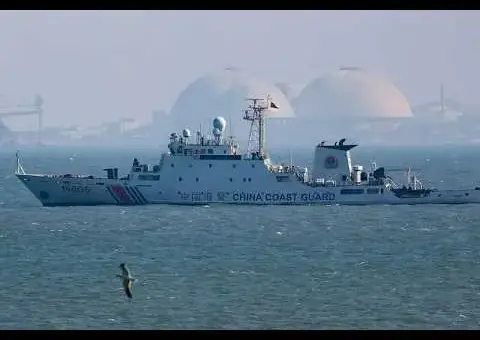
China Sends Old Jets Reborn as Drones Toward Taiwan
China has converted old J6 fighter jets into attack drones, deploying over 200 near Taiwan. These drones could overwhelm air defenses and present a costly challenge for Taiwan's interceptors. This move highlights evolving military tactics and regional tensions.


US Must Block China’s Tech Access for Security
US national security experts are raising alarms about China's access to advanced AI chips, arguing it threatens strategic advantages. This, coupled with charges against Chinese entities for fentanyl precursor sales and a ban on foreign routers, signals a growing effort to prioritize security over business ties.
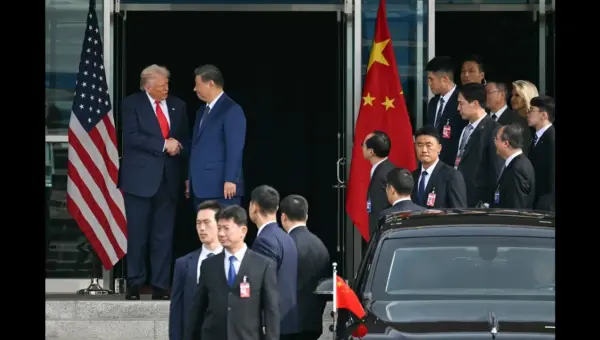
Trump’s “Walk Away” Tactic Signals Tougher Stance on China
Retired Air Force Brigadier General David Stillwell believes President Trump's strategy of being willing to walk away from negotiations puts pressure on China. This tactic, combined with US global actions and strengthened alliances, signals a more assertive American foreign policy.