World Rejects Trump’s ‘Peace’ Amid UN Boos and NATO Doubts
A UN ambassador faced boos at a Model UN event, highlighting global disapproval of Trump's foreign policy. Allies express doubts about US leadership, weakening NATO, while domestic polls show low approval on key issues like inflation and the economy.

World Leaders and Citizens Voice Strong Disapproval of Trump’s Foreign Policy
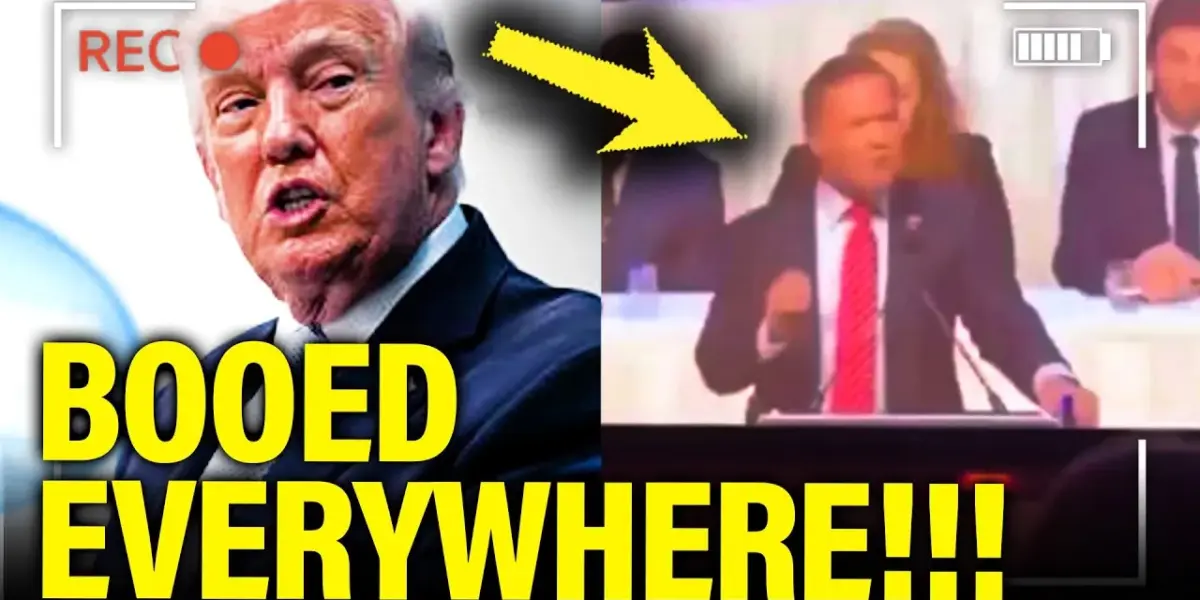
The international stage recently offered a stark look at how Donald Trump’s foreign policy is perceived outside his core supporters. During a Model UN event in New York, a US representative faced a harsh reception. Mike Waltz, the UN ambassador, was delivering a speech when the audience erupted in boos and heckling. This moment, widely shared, showed a clear rejection of the current US approach to global affairs.
The interruption came as Waltz spoke about the world and Trump’s peacemaking efforts. An attendee’s shouted question, “What peace?” captured the sentiment of many. This incident highlights a significant disconnect between the administration’s claims of success and the view held by many international observers and citizens. It suggests that outside the “MAGA bubble,” Trump’s vision for peace is not widely accepted.
UN Warnings and Concerns Over US Actions
The reaction at the UN event is not an isolated incident. The United Nations itself has raised serious concerns about US foreign policy under Trump. Reports indicate warnings about “incendiary rhetoric” and the potential for “war crimes.” These warnings specifically mention threats against civilian infrastructure and the risk of escalating conflicts to dangerous levels. The transcript labels these issues as a “disaster,” indicating a grave concern from international bodies.
This international scrutiny comes at a time when domestic approval numbers also show challenges for the administration. Inflation, in particular, is a major concern for American voters. Recent polls show disapproval ratings for Trump’s handling of inflation that are comparable to, or even exceed, those of former presidents like Jimmy Carter and Joe Biden at similar points in their presidencies. This widespread public dissatisfaction suggests a broader unease with the administration’s economic and foreign policies.
Allies Question Leadership and NATO’s Future
European allies are also expressing significant doubts about US leadership. French President Emmanuel Macron has directly stated that consistent messaging is crucial for leading alliances. He criticized the idea of trying to achieve victory through constant military action, warning that Trump’s contradictory statements are weakening NATO. This erosion of trust and destabilization of the alliance is a major concern for European leaders.
The transcript mentions Macron’s frustration, suggesting a reluctance from European nations to fully commit to US-led military actions. Leaders in countries like Germany, Spain, and the UK have resisted joining certain military efforts. They express concern about the impact of global events, influenced by figures like Putin or Trump, on their citizens’ energy bills and overall economic stability. This suggests a growing desire for a more collaborative and less unilateral approach to international security.
Historical Context: The Importance of American Leadership
The current situation is often contrasted with past eras of American leadership. Former NATO Secretary General and Prime Minister of the Netherlands, Jens Stoltenberg, recalled President Reagan’s 1988 speech. Reagan emphasized the essential role of American leadership in promoting freedom. Stoltenberg noted how Reagan and his successor, George H.W. Bush, were instrumental in ending the Cold War, a feat for which Europe remains grateful.
However, the period after the Cold War saw a shift. As some European nations focused on building their own defense capabilities, others became overly reliant on the US. This led to reduced investment in conventional military partnerships and a perception that “hard power” was outdated. The current challenges facing NATO and international alliances can be partly understood as a consequence of these past shifts in defense spending and strategic focus.
Erosion of Trust and Public Discontent
Trump’s approach has been criticized for threatening to pull the US out of NATO and for framing alliance support as a loyalty test. This has led to what analysts call a “full-blown NATO crisis.” The lack of broad support from allies for some US initiatives further underscores this point.
Even within the US, there are signs of public discontent. Despite claims of victory in certain conflicts, approval ratings have suffered. A veteran interviewed expressed a lack of clarity on the goals and outcomes of military operations, questioning what was learned and what the ultimate objective is. This sentiment is echoed in national polls, where disapproval ratings on issues like inflation, the economy, and foreign policy concerning Iran are high. The connection between oil prices, energy costs, and public frustration is clear, indicating that foreign policy decisions have tangible domestic consequences.
Conclusion: A Costly Foreign Policy Failure?
The evidence presented suggests that Trump’s foreign policy, particularly regarding the Iran conflict, has been met with widespread disapproval. The booing at the UN, the skepticism from European allies, and the declining approval ratings among the American public all point to a significant challenge. If the reactions from both allies and domestic voters are any indication, this approach may prove to be a costly failure with lasting implications for US global standing.
Why This Matters
This analysis is crucial because it examines the real-world reception of US foreign policy. It moves beyond official statements to gauge international and domestic sentiment. The disconnect between perceived success and actual global perception can lead to diplomatic isolation and weakened alliances. For citizens, understanding these dynamics is vital as foreign policy directly impacts economic stability, national security, and global peace. The current trends suggest a need for a reassessment of how the US engages with the world, emphasizing collaboration and consistent diplomacy over unilateral actions and divisive rhetoric.
Implications and Future Outlook
The implications of this global backlash are significant. It could lead to a more fragmented international order, where alliances are strained and cooperation becomes more difficult. For the US, it raises questions about its role as a global leader. If allies no longer trust US leadership or find its policies destabilizing, the US may find itself increasingly isolated. The future outlook suggests a potential shift in global power dynamics, with other nations stepping up to fill perceived leadership vacuums. The emphasis on rebuilding trust and strengthening alliances will be key for any future administration seeking to restore American influence and promote global stability.
Source: Trump RUTHLESSLY BOOED on WORLD STAGE as CEASEFIRE FAILS! (YouTube)

Related Articles
Trump’s Pardon Promises Signal End of Rule of Law
Reports of Donald Trump promising widespread pardons suggest a dangerous invitation to lawlessness, potentially undermining democratic principles. Analysts discuss the legal limits and the crucial role states may play in upholding the rule of law.


Trump’s Shifting Image: Loyalty Tested by New Realities
Supporters of Donald Trump are facing a critical moment, questioning if the man they once backed is the same today. This internal debate highlights the tension between loyalty and reality, with some calling for accountability measures.
Trump Hints at War Strategy: ‘No Nuclear Weapons’ Key
Former President Donald Trump shared insights into his military strategy, emphasizing the non-use of nuclear weapons and assessing an adversary's weakened state. His comments suggest a preference for decisive action over prolonged talks.