World Leaders Slam Trump’s Erratic Diplomacy
World leaders from France and Japan have revealed candid details about their interactions with former President Donald Trump, describing him as easily angered, transactional, and prone to personal insults. These accounts highlight a diplomatic style that strains alliances and creates global instability, contrasting sharply with Trump's claims of American strength.

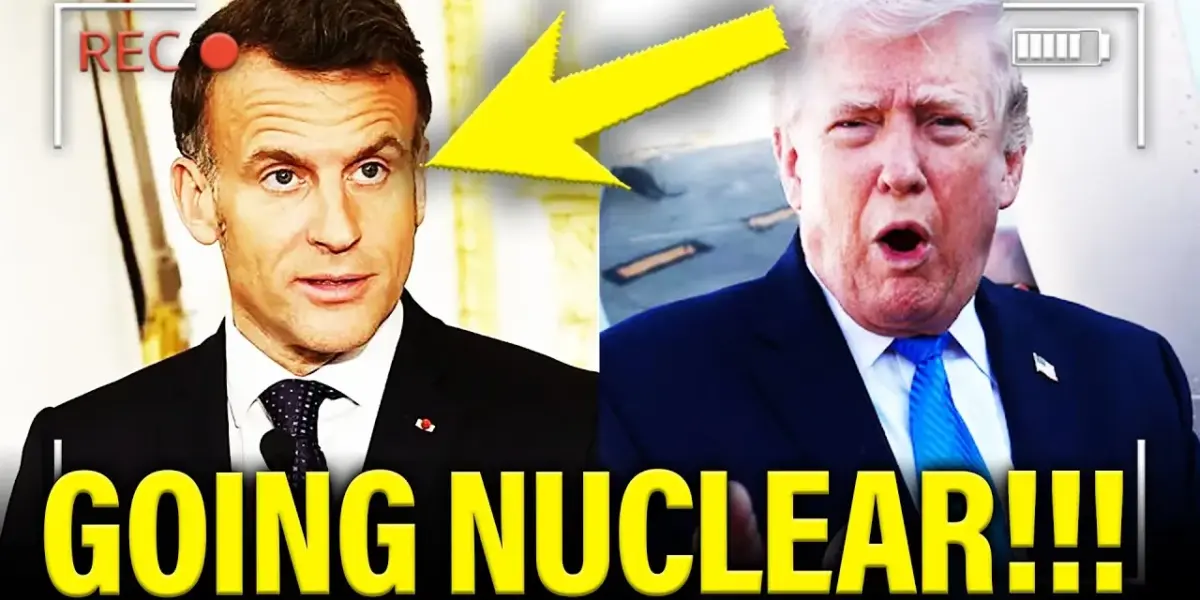
World Leaders Slam Trump’s Erratic Diplomacy
Former President Donald Trump recently claimed the United States is the “hottest country in the world” with “no inflation.” However, leaders from France and Japan have offered a starkly different view, revealing behind-the-scenes struggles with Trump’s unpredictable and often confrontational approach to international relations. These accounts suggest a pattern of anger, flattery, and transactional thinking that has strained global alliances.
An Inside Look at Trump’s Diplomacy
The former Prime Minister of Japan, in a candid interview, described his interactions with Trump. He explained that directly disagreeing with Trump led to immediate anger. Instead, he found it necessary to flatter Trump, agreeing with him and then gently rephrasing his statements to guide the conversation. This approach was about preserving Trump’s ego and steering him toward what was perceived as beneficial. The Prime Minister noted that Trump views everything through a lens of personal gain or loss, a perspective that dictated his reactions.
This observation aligns with what many former Trump administration officials have reportedly experienced. They often found themselves in meetings where flattery was the primary tool to maintain stability and keep their positions. However, hearing such an account from a world leader is particularly striking. Typically, leaders maintain a more diplomatic public front, even when disagreeing with allies, due to the importance of alliances and trade. Trump’s approach, however, has often been seen as undermining these very connections.
Alienating Allies and Causing Confusion
Trump’s foreign policy has been characterized by a “tariff war” and a stance of American self-reliance, often expressed as “we don’t need anybody.” This has led to accusations of bullying countries into favorable deals. The transcript highlights a specific instance where Trump reportedly spoke rudely to Japanese officials about Pearl Harbor, a sensitive historical event. This insensitivity caused confusion among Japanese citizens, especially when contrasted with the lack of communication regarding military actions, like the strike on Iran.
French President Emmanuel Macron also shared difficulties in dealing with Trump. During a conversation about the need for help in the Gulf, Trump reportedly brought up a personal incident involving Macron and his wife. Macron responded by calling Trump’s words “neither elegant nor of a high standard,” stating they did not deserve a reply. This public rebuke from a key ally underscores the breakdown in diplomatic norms. France also refused to allow U.S. military aircraft to use its airspace, indicating a reluctance to be drawn into Trump’s chaotic approach to foreign conflicts.
A Pattern of Rudeness and Incoherence
The transcript suggests a broader pattern of rudeness and a lack of clear thinking in Trump’s public statements. The Iranian leadership’s statements, even if propaganda, were perceived by some as more coherent than those from the U.S. President. Trump’s public addresses were described as rambling and lacking substance. Furthermore, his comments about surrounding himself with “losers” to feel better, and liking people only if they like him, even if they are not good people, suggest a loss of filter and a focus on personal validation.
This perceived lack of a filter has allowed world leaders to more openly criticize Trump’s character and actions. His behavior has been described as an embarrassment on the world stage, dragging down the standing of the United States and the office of the presidency itself. Even the Canadian Prime Minister has publicly stated that Israel’s military invasion of southern Lebanon was illegal, a stance that received no public comment from Trump, despite significant civilian casualties. Instead, Trump focused on threats of bombing Iran, a move seen as ignorant and dangerous.
Domestic Pressures and Shifting Narratives
The analysis points to a connection between Trump’s foreign policy actions and his domestic political standing. With rising gas prices and significant disapproval ratings on issues like inflation, the economy, and the handling of Iran, Trump’s projection of strength internationally appears to be an attempt to compensate for domestic weaknesses. Polls show a majority of registered voters disapprove of his performance in these key areas. The war in Iran, in particular, is seen as splintering his base and could eventually impact his core supporters, even if they currently appear to back the war.
The transcript also notes that Trump’s move to prioritize war funding over domestic needs like healthcare and childcare, despite running on a platform of ending endless wars, highlights a pragmatic rather than principled approach to foreign policy. This shift, driven by low poll numbers, is an attempt to frame the current situation as a victory and project strength. However, the international backlash and the critical accounts from world leaders suggest this strategy may be backfiring, exposing perceived weakness rather than strength on the global stage.
Why This Matters
The accounts from global leaders offer a critical insight into the challenges of conducting foreign policy with a leader perceived as unpredictable and self-centered. This approach can erode trust, weaken alliances, and create global instability. When allies cannot rely on consistent and respectful communication, it becomes difficult to address shared threats effectively. The narrative presented suggests that Trump’s focus on personal gain and his volatile temperament have overshadowed the complex needs of international diplomacy.
Implications and Future Outlook
This pattern of behavior has significant implications for American foreign policy and its global standing. A consistent theme is the erosion of trust and the damage to alliances, which are crucial for U.S. influence and security. The future outlook suggests that rebuilding these relationships will require a return to more traditional diplomatic norms. Leaders need to feel respected and that their concerns are heard, not dismissed or used for personal attacks. The reliance on flattery and transactional deals, as described, is not a sustainable model for long-term international cooperation.
Historical Context
Historically, U.S. foreign policy has often relied on strong alliances and multilateral cooperation. While periods of unilateral action have occurred, the consistent pattern described in the transcript—of alienating allies and engaging in personal insults—differs significantly from the diplomatic norms established since World War II. The emphasis on personal relationships and transactional outcomes, rather than shared values and strategic interests, marks a departure from the established practices that have shaped global order for decades.
Source: World leaders GO NUCLEAR on Trump (YouTube)

Related Articles

Trump Threatens Iran, Shaking Global Stability
Former President Trump's aggressive Easter Sunday warning to Iran has ignited global concerns, highlighting a volatile intersection of politics, religion, and foreign policy. The analysis explores the motivations behind such rhetoric, the deep divisions within American society, and the potential for severe economic and geopolitical repercussions worldwide.
Trump’s Rhetoric Fuels Iran Tensions, Raises War Crime Alarms
Former President Donald Trump's aggressive Easter weekend social media posts directed at Iran have sparked international concern. His threats of military action and ultimatums, coupled with conflicting narratives about military engagements, have raised alarms about potential war crimes and a dangerous escalation of conflict. Critics accuse both Trump and segments of the media of downplaying the severity of his rhetoric.
Trump’s Vulgar Iran Threat Sparks Global Outrage
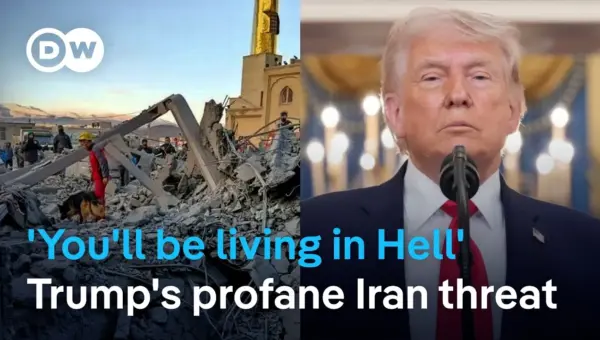
President Donald Trump issued a highly profane threat against Iran via social media, warning of attacks on civilian infrastructure if the Strait of Hormuz was not opened. Experts suggest the outburst stems from frustration and desperation, while legal scholars warn of potential war crimes. The situation continues to escalate, with significant economic and political implications for the region.