World Leaders Sidestep Trump, Forge New Alliances
World leaders are increasingly bypassing Donald Trump, forging independent alliances and direct negotiations with nations like Iran. France, Japan, and the Gulf Cooperation Council are charting their own courses, signaling a shift away from U.S. dominance and towards a more multipolar global order. This trend highlights a growing desire for predictable diplomacy and collective action on the world stage.

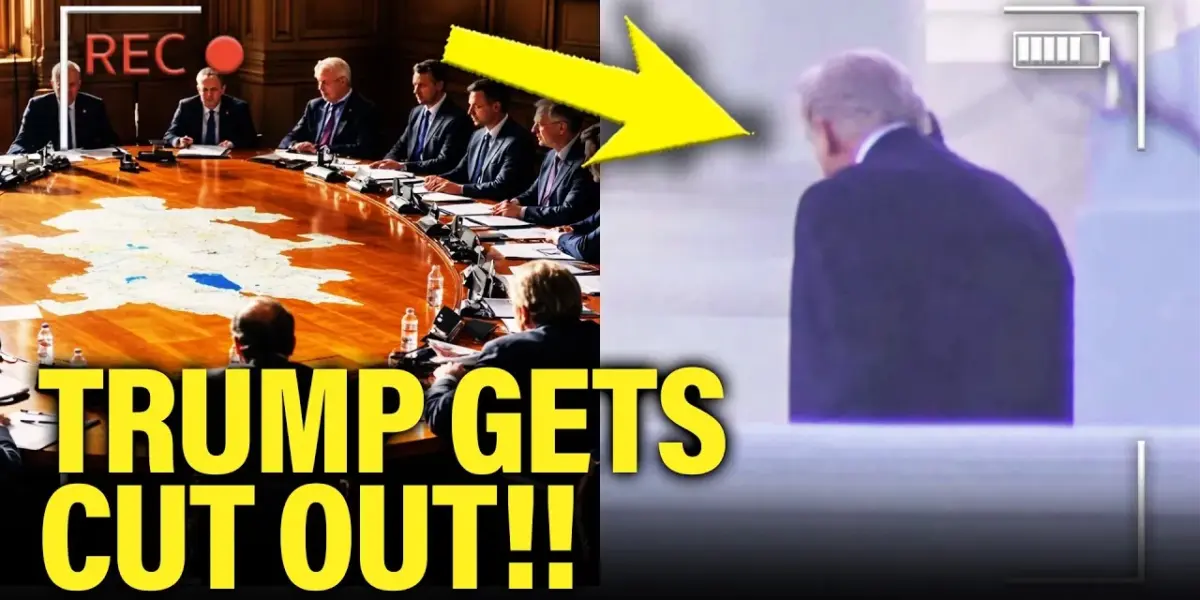
Global Powers Chart Independent Course, Leaving Trump Isolated
In a significant shift on the world stage, international leaders are increasingly making independent decisions and forging new alliances, often bypassing Donald Trump. This trend suggests a growing desire among nations to control their own destinies rather than rely on unpredictable American leadership. Countries are actively seeking direct solutions to global challenges, even when it means dealing with nations previously viewed as adversaries.
France Leads Charge in Navigating Strait of Hormuz
France has taken a notable lead in addressing the critical issue of the Strait of Hormuz, a vital shipping lane. Reports indicate France may have struck a deal with Iran to allow its ships passage. This comes as France actively blocked a United Nations resolution that could have led to military action in the strait. Furthermore, French President Emmanuel Macron has denied Donald Trump access to French airspace and military bases, a move echoed by Spain, Switzerland, Austria, Italy, and other nations. This collective action signals a clear rejection of Trump’s influence and a move towards independent foreign policy.
Japan and Philippines Seek Direct Engagement with Iran
Japan has also successfully navigated the Strait of Hormuz with its vessels. It’s believed Japan may have used intermediaries like Russia or Pakistan to negotiate with Iran, or perhaps engaged directly with Iranian leadership. Similarly, the Philippines has announced bilateral negotiations with Iran to ensure access through the strait. These actions demonstrate a pragmatic approach to securing national interests, even if it means direct dialogue with Iran.
Gulf Nations Rethink Security Alliances
The Gulf Cooperation Council (GCC), which had previously felt secure under the U.S. security umbrella, is also signaling a change. For years, there were accusations of financial dealings between GCC nations and the Trump family, involving cryptocurrency and real estate. Now, the GCC is adopting a more conciliatory tone towards Iran, indicating a readiness to enter into bilateral negotiations. This suggests a reassessment of their security partnerships and a desire for more direct regional stability.
United Kingdom Organizes Global Diplomatic Efforts
The United Kingdom is taking a different, yet equally independent, approach by organizing global meetings. They are bringing together dozens of countries to speak with a unified voice on how to engage with Iran and reopen diplomatic relations. The goal is to establish common terms for negotiation, especially concerning Iran’s control over the Strait of Hormuz. This effort highlights a move towards multilateral diplomacy, seeking collective solutions outside of traditional U.S. foreign policy frameworks.
Iran Gains International Legitimacy
The cumulative effect of these actions is the growing international legitimacy of Iran. Once viewed as an isolated state, Iran is now a central player in global communications and negotiations. This presents a stark contrast to the United States, which is increasingly seen as a pariah state, with Donald Trump himself described by some as less rational than even North Korea’s Kim Jong-un. This shift suggests that many countries now see Iran as a more predictable and necessary partner than the current U.S. administration.
Macron Champions a “New Order” Beyond Superpower Dependence
French President Emmanuel Macron has been particularly vocal about this changing global dynamic. During a state visit to South Korea, he spoke of building a “new order” and warned against passivity in a world of growing disorder. Macron emphasized the need for countries like France and South Korea, though not superpowers, to combine their strengths. He envisions a “third way” for global cooperation, involving nations like Canada, Japan, India, Brazil, and Australia. This approach aims to reduce dependence on China and mitigate the unpredictability of the United States.
“We should not be passive in this new disorder. We have to build a new order.” – Emmanuel Macron
Macron’s careful choice of words signals a recognition of China’s global influence while clearly identifying the United States, under Trump, as a source of disorder and unpredictability. His vision is one of collective strength and orderly cooperation, creating an alternative to the dominance of superpowers.
Historical Context: A Shift from Unilateralism
This evolving international landscape represents a significant departure from the post-World War II era, which saw the U.S. often leading global security and economic initiatives. For decades, many nations relied on American military power and diplomatic influence. However, policies perceived as isolationist or disruptive, particularly under the Trump administration, have prompted many allies to seek more self-reliant and diversified foreign policy strategies. The current situation echoes historical periods where rising powers and shifting alliances reshaped global order, but the speed and nature of this change, driven by technological connectivity and the perceived unreliability of a key ally, are distinct.
Why This Matters
The implications of these developments are profound. It suggests a potential fragmentation of global power structures, moving away from a unipolar or even bipolar world towards a more multipolar or even polycentric system. For the United States, this could mean a diminished role in global affairs and a loss of influence, particularly if its traditional allies continue to chart independent courses. For nations like Iran, it offers an opportunity to increase their regional and international standing through strategic engagement. The focus on diplomacy and cooperation, as advocated by leaders like Macron, could pave the way for more stable international relations, but it also highlights the challenges of coordinating diverse national interests.
Trends and Future Outlook
We are witnessing a clear trend of countries prioritizing bilateral relationships and regional cooperation to address immediate concerns, such as trade and security. This is happening even as they express frustration with the unpredictable nature of U.S. foreign policy under Trump. The “third way” proposed by Macron could gain traction, creating blocs of nations that seek to balance their relationships with major powers like China and the U.S. The future outlook suggests a more complex and potentially less U.S.-centric global order, where diplomacy, economic interdependence, and regional security arrangements play increasingly vital roles. The effectiveness of these new alliances and diplomatic efforts will be crucial in shaping international stability in the coming years.
Conclusion
The world appears to be moving on, with or without Donald Trump. Nations are demonstrating a clear willingness to engage in direct diplomacy and form new partnerships to secure their interests. France’s actions in the Strait of Hormuz, Japan’s independent shipping efforts, and the GCC’s shift towards dialogue all point to a global landscape where alliances are being reshaped. President Macron’s call for a “new order” that avoids superpower dependence encapsulates this emerging sentiment. As the U.S. faces potential isolation due to its unpredictable foreign policy, other nations are actively building a more cooperative and multilateral future.
Source: FURIOUS World Leaders CUT OUT Trump from DEALS IN WAR!!! (YouTube)

Related Articles

GOP Rep Stumbles on Iran Policy Amidst War Confusion
A Republican congressman struggled to explain Iran's continued control over the Strait of Hormuz on live TV, raising questions about U.S. foreign policy clarity. The interview highlighted the complex reality of Iran's military capabilities, particularly its IRGC Navy, and the ongoing challenges in global trade security.

Trump’s Golf Habit Drains Millions from Taxpayers
Donald Trump's golf trips have cost taxpayers over $100 million in just 14 months, a rate significantly faster than his previous term. This analysis highlights concerns about the use of public funds and potential conflicts of interest when presidential stays at private properties incur charges for government services.
Trump’s Budget Plan Sparks Outrage, Strains Party
Donald Trump's proposal for a $1.5 trillion defense budget, nearly double current spending, is drawing sharp criticism. The plan involves deep cuts to domestic programs like healthcare and education, contrasting with his past calls for ending foreign wars.