World Leaders Condemn Trump’s Policies, Fueling Global Instability
World leaders are sharply criticizing Donald Trump's foreign policy, particularly his decisions on sanctions and alliances like NATO. Concerns are also rising over the cost-effectiveness of U.S. arms sales and potential Russian-Iranian cooperation, impacting global stability and ongoing conflicts.

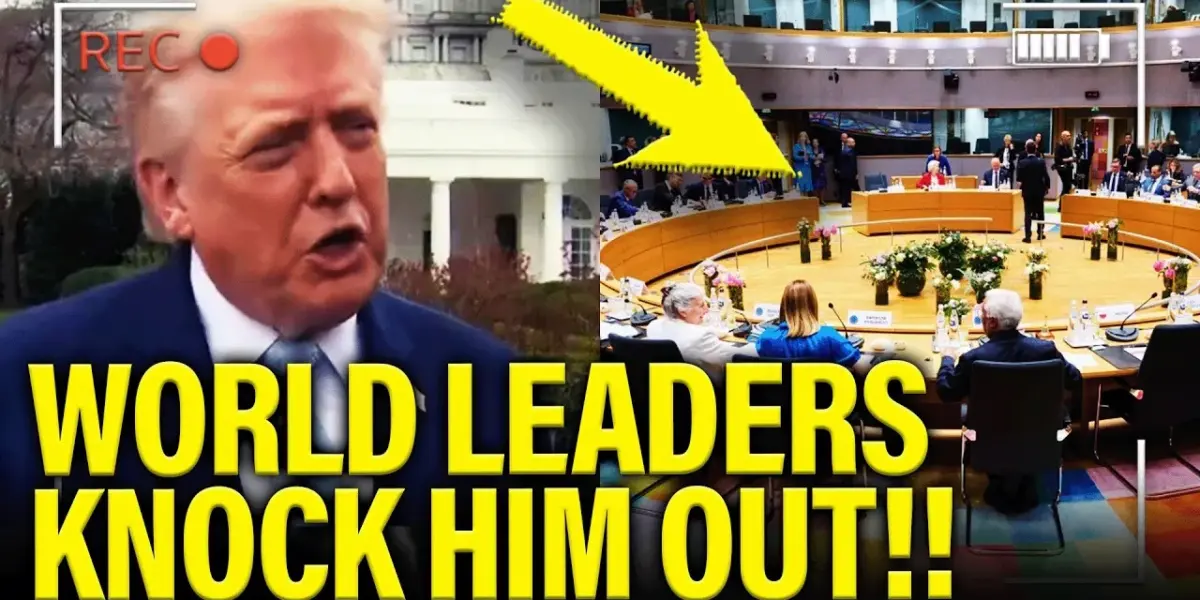
Global Leaders Criticize Trump’s Foreign Policy Decisions
A growing chorus of international leaders is openly criticizing Donald Trump’s foreign policy, particularly his approach to Russia, Iran, and NATO. Reports suggest that Trump’s administration has lifted sanctions on Russian and Iranian oil. This move, coupled with Trump’s past criticisms of NATO as a “paper tiger,” has drawn sharp condemnation from allies concerned about global security and energy markets.
Germany and France Voice Strong Disapproval
German Chancellor Friedrich Merz has spoken out, contrasting democratic processes with authoritarianism. He stated that in a dictatorship, things happen quickly but are often wrong, while democracy requires debate and can take longer. Merz specifically addressed the MAGA movement, saying it is not their movement and that its approach to culture and media differs greatly from Germany’s understanding of democracy. Similarly, French President Emmanuel Macron has emphasized France’s continued support for Ukraine and its tough stance against Russia. Macron highlighted France’s efforts to intercept vessels violating international sanctions, calling them “profiteers of war” who enrich themselves while helping to finance Russia’s aggression.
Concerns Over US Arms Sales and Drone Warfare
A significant issue has emerged regarding the effectiveness and cost of American-supplied missile defense systems to Middle Eastern nations. Ukrainian instructors, working with Arab nations to counter Iranian drones and missiles, reportedly found that expensive U.S. systems, like Patriot and THAAD, were being used excessively. Reports indicate that sometimes eight missiles, costing millions of dollars each, were fired at a single, relatively inexpensive Iranian drone costing around $20,000 to $30,000. This practice has led to accusations that the U.S. may have been involved in a “Ponzi scheme,” encouraging the use of costly interceptors to deplete munitions, while Ukraine has developed cheaper, more effective drone interception methods.
Ukrainian President Volodymyr Zelenskyy has also expressed interest in a drone deal with the United States, proposing a partnership that includes interceptor drones, naval drones, and long-range drones, along with knowledge exchange and training. Zelenskyy has indicated a willingness to discuss this with the U.S. when Trump is ready, though he has also noted that the war in the Middle East is causing delays in such discussions.
Allegations of Russian-Iranian Cooperation and Sanctions Easing
Concerns are mounting about potential cooperation between Russia and Iran, with allegations that Iran is providing Russia with drones, and Russia is assisting Iran in building more drones and identifying targets. Reports suggest a deal where Russia might cease helping Iran against American interests if Trump stops aiding Ukraine. Despite these concerns, Trump’s administration has reportedly eased sanctions on Russian and Iranian oil. This is seen by some as benefiting Russia, which is reportedly making significant profits from the ongoing conflicts.
Ukraine’s Military Situation and Peace Negotiations
Despite the geopolitical complexities, Ukraine claims to be experiencing successful counteroffensives, with Russian military bloggers reportedly acknowledging heavy losses. Ukraine has consistently shown willingness to discuss ceasefires and even potential referendums in eastern Ukraine, provided there is a ceasefire and fair elections. However, Russia has not reciprocated these offers. Ukrainian officials are seeking clarity on potential trilateral meetings with Russia and the U.S., and are concerned that the easing of U.S. sanctions on Russian energy increases Russia’s revenue and military capabilities.
Regional Instability and International Tensions
The video also touches on broader regional instability, mentioning attacks in Iraq, Kuwait, Qatar, Israel, and warnings issued to the United Arab Emirates. Cuba has reportedly received oil shipments from Russia and is being supported by China, while refusing a U.S. request for diesel fuel, citing past U.S. “fuel blockades.” The report also notes that the U.S. Department of Justice is reportedly investigating Colombia’s president, and Trump is accused of seeking to destabilize regimes in Cuba and Venezuela. The deployment of U.S. troops, including the 82nd Airborne Division and Marine Expeditionary Units, is also mentioned amidst this tense global climate.
Why This Matters
This situation highlights a critical juncture in international relations, where shifting alliances and policy decisions can have far-reaching consequences. The criticism leveled against Donald Trump by global leaders suggests a potential fracturing of traditional alliances and a divergence in foreign policy priorities. The concerns raised about the effectiveness and cost of U.S. military aid, coupled with allegations of financial manipulation, could impact future defense spending and international cooperation. Furthermore, the alleged cooperation between Russia and Iran, combined with the easing of sanctions, raises alarms about escalating geopolitical tensions and the potential for wider conflicts. The narrative presented suggests that individual policy choices, particularly concerning energy and sanctions, can significantly influence global stability, economic markets, and ongoing military conflicts, as seen in the ongoing war in Ukraine and the broader Middle East.
Implications, Trends, and Future Outlook
The ongoing criticism from world leaders could signal a weakening of U.S. influence or a realignment of global partnerships. The trend of nations seeking alternative defense strategies, as seen with Ukraine’s drone interception methods, may accelerate. The future outlook suggests a more complex and potentially fragmented international order, where traditional alliances are tested, and new geopolitical dynamics emerge. The effectiveness of sanctions and the role of energy policy in international diplomacy will likely remain key areas of focus. The potential for increased regional conflicts, fueled by external support and economic pressures, remains a significant concern.
Historical Context and Background
The current situation draws parallels to past periods of geopolitical tension, where differing national interests and leadership styles have led to friction between allies. The emphasis on energy sanctions and their impact on global markets has historical roots in various international crises. Trump’s “America First” approach has previously strained relationships with traditional allies, while his administration’s policies on Iran and Russia have been subjects of intense debate both domestically and internationally. The ongoing conflict in Ukraine itself has its roots in complex historical and political factors, and the involvement of other nations, like Iran, adds further layers to this long-standing geopolitical struggle.
Source: FURIOUS World Leaders STICK THE DAGGER in Trump as WAR BACKFIRES (YouTube)

Related Articles

China Fights Back: Tariffs Loom Ahead of Trump Visit
China is retaliating against US trade investigations that could lead to higher tariffs. This escalating trade tension occurs just before a planned visit by President Trump. The dispute involves accusations of unfair practices and impacts global supply chains.


Israelis Forge Resilience Amidst Constant Bomb Shelter Drills
Life in Israel is a blend of resilience and constant vigilance, with many families adapting to frequent bomb shelter drills and even sleeping in makeshift shelters. Despite ongoing missile attacks, Israelis strive to maintain normalcy, though businesses face disruption and emotional fatigue is a growing concern.


Israel Escalates Iran Strikes, Warns of Wider War
Israel has launched significant strikes inside Iran following continued missile fire, warning of further escalation. The conflict risks wider regional instability and economic disruption, especially concerning the Strait of Hormuz.