World Leaders Call Trump’s Bluff, Isolating Him
World leaders are increasingly challenging Donald Trump's foreign policy, citing global instability and benefiting rivals. From Hungary's election to Ukraine's concerns over sanctions, a unified front is emerging against his unpredictable approach. This shift impacts global economics and geopolitical strategies.

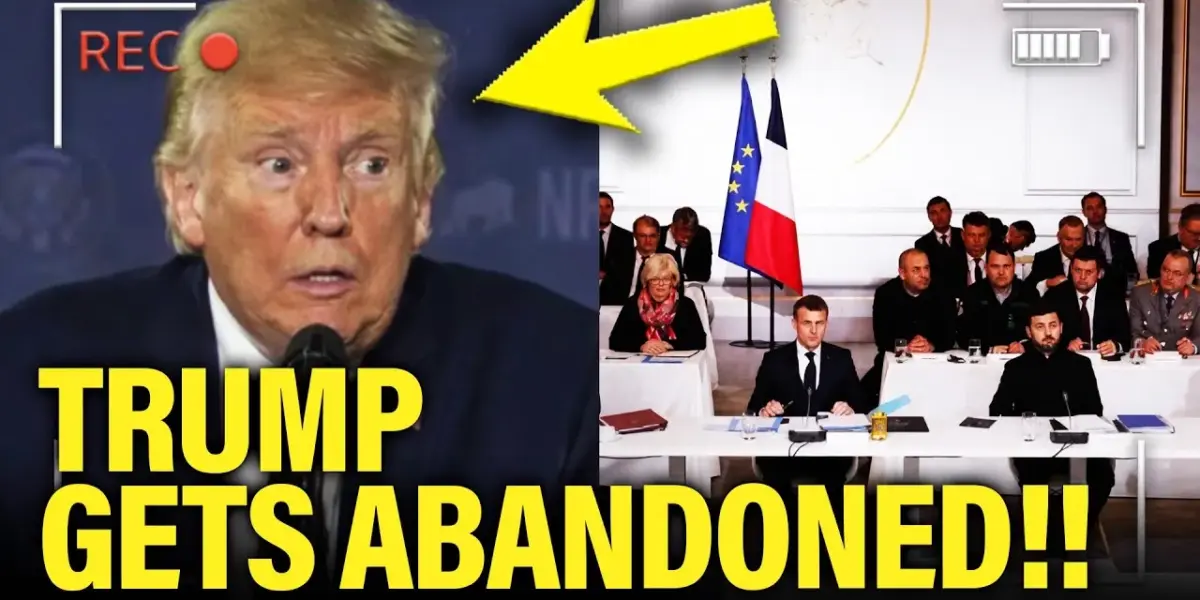
World Leaders Unite Against Trump’s Policies
A growing chorus of international leaders is openly challenging Donald Trump’s foreign policy decisions, suggesting his actions are causing global instability and benefiting adversaries like Russia and China. This pushback signals a significant shift, with nations increasingly prioritizing their own interests over aligning with Trump’s often unpredictable approach.
Hungary’s Election Signals a Shift
In Hungary, the upcoming election is seen as a crucial moment. Opposition leader Peter Maguiar, part of a pro-democracy coalition, is gaining significant ground against the incumbent Victor Orban. Trump’s perceived endorsement of Orban backfired, seemingly strengthening Maguiar’s campaign. Tens of thousands have protested Orban’s government, showing solidarity with the European Union and Ukraine. This situation highlights a growing divide between traditional Western alliances and a more nationalist, Russia-aligned bloc, with Trump appearing to favor the latter.
Ukraine’s President Questions US Sanctions Policy
Ukrainian President Volodymyr Zelensky has directly questioned the logic behind potential U.S. sanctions relief on Russia. He pointed out that if sanctions were lifted due to a ceasefire in the Middle East, they should be reimposed now that a ceasefire is in place. Zelensky suspects that Russia may have misled the U.S. about the role its oil played in stabilizing global markets. He suggested that the lifting of sanctions might have been a scheme to allow Russian oil companies, like Lukoil, to sell assets. Zelensky’s remarks imply a deep mistrust of U.S. intentions under Trump, questioning whether the goal was truly stability or to enrich Russia.
“If the sanctions on Russia oil were lifted by Donald Trump because of the war in the Middle East, so will US sanctions be reimposed now that there is a ceasefire?” – Volodymyr Zelensky
Zelensky also highlighted the possibility of behind-the-scenes deals for the U.S. to “launder money” to Russia. He believes that if the U.S. fails to reimpose sanctions, it would expose the true motives behind their initial lifting.
UK Prime Minister Criticizes Trump and Putin
British Prime Minister Keir Starmer has also voiced strong criticism, directly linking global suffering and economic hardship to the actions of both Trump and Russian President Vladimir Putin. Starmer stated he is “fed up” with how their policies impact families and businesses, particularly concerning energy prices. He emphasized that his primary duty is to the United Kingdom, not to maintaining a good relationship with Trump, even if it causes friction. Starmer’s stance suggests a growing willingness among European leaders to confront Trump’s policies, even at the risk of diplomatic tension.
Middle East Allies Express Frustration
Allies in the Middle East are reportedly growing impatient with the U.S. over issues concerning the Strait of Hormuz. Reports suggest that countries like the United Arab Emirates (UAE) are irritated by shifting U.S. narratives. The UAE has stated it will not accept Iran imposing conditions on passage through the strait, asserting that freedom of navigation is a matter of international law, not a bargaining chip. Saudi Arabia and other nations are also reportedly frustrated, feeling that their past dealings and investments with Trump have not yielded the expected security guarantees.
The perception is that America’s security umbrella in the Middle East may be diminishing. This has led some Middle Eastern countries to seek security arrangements elsewhere, even with Ukraine, to obtain defensive technologies. Trump and his allies have reportedly expressed anger at these countries for bypassing U.S. directives and dealing with Ukraine, suggesting a desire to isolate Kyiv and support Putin.
Economic Repercussions and Tariffs
The transcript also points to the economic impact of Trump’s policies, particularly his use of tariffs. New data suggests that American families have paid over $1,700 in tariff costs since Trump took office. These tariffs, combined with the rollback of clean energy investments and escalating conflicts, are reportedly driving up energy bills. Gas and utility costs have risen significantly, with electricity prices also increasing. Tariffs on items like wind turbines and solar panels are seen as making the transition to clean energy more expensive. Furthermore, proposals to eliminate the Low Income Home Energy Assistance Program (LIHEAP) are criticized for leaving vulnerable families without crucial support for heating and cooling their homes.
China’s Geopolitical Gains
Meanwhile, China appears to be a major beneficiary of the current global instability. While Trump is reportedly focused on photo opportunities with Chinese President Xi Jinping, Xi is pursuing his strategic goal of reclaiming Taiwan. China has been engaging with Taiwan’s opposition leaders, potentially influencing political dynamics on the island. The transcript suggests that China may have even influenced Iran’s temporary ceasefire with the U.S. to weaken Trump’s negotiating position regarding Taiwan.
The diversion of U.S. military assets, such as Patriot and THAAD missile systems, from Asia to the Middle East is seen as a sign of abandonment by key Asian allies like Japan and South Korea. This perceived weakness emboldens China, potentially accelerating its plans for Taiwan. The message sent to Xi Jinping is one of American vulnerability, making a military move on Taiwan seem more feasible.
Russia’s Submarine Activity Raises Alarm
Adding to the global tension, Russian submarines have been detected operating near undersea cables in UK waters. The UK Defense Secretary has warned Russia against damaging these vital communication and energy lines, stating that any such attempt would face serious consequences. This incident underscores the ongoing geopolitical challenges and the potential for disruption in critical infrastructure.
Why This Matters
The coordinated criticism from world leaders and the complex geopolitical maneuvers described in this analysis highlight a significant turning point in international relations. The perceived unpredictability and self-interest driving certain U.S. foreign policies under Trump are creating vacuums that adversaries like Russia and China are actively exploiting. This situation forces other nations to reassess their alliances and security strategies, often leading them to prioritize bilateral negotiations and national interests over collective security frameworks like NATO. The economic consequences, from rising energy prices to the impact of tariffs, directly affect citizens worldwide, demonstrating how global instability translates into everyday hardship. The narrative suggests that a focus on transactional diplomacy and a disregard for established international norms can lead to a more fragmented and dangerous world, benefiting authoritarian regimes and undermining democratic alliances.
Implications and Future Outlook
The trend indicates a potential fracturing of the global order. As nations become less reliant on traditional alliances and more focused on securing their immediate interests, we may see a rise in regional power blocs and increased competition. The U.S. faces a critical juncture: whether to re-engage with its allies based on shared values and long-term stability or continue a path of transactional diplomacy that risks alienating partners and empowering rivals. For countries like Ukraine, the shifting dynamics in U.S. foreign policy create significant uncertainty regarding continued support. The future outlook suggests a more complex and potentially volatile international landscape, where clarity and consistency in leadership will be increasingly valued.
Historical Context
This period echoes historical moments where shifting global power dynamics led to new alliances and conflicts. The post-World War II era saw the establishment of institutions like NATO to foster collective security against Soviet influence. Similarly, the Cold War was characterized by proxy conflicts and ideological competition. The current situation, however, is marked by a different kind of challenge: the questioning of established alliances from within by a major power, coupled with the assertive geopolitical ambitions of rivals like China and the resurgence of Russia. The emphasis on bilateral deals and the questioning of international law’s universality represent a departure from the post-war multilateral order, potentially ushering in an era where national interest reigns supreme, often at the expense of global cooperation.
Source: FURIOUS World Leaders ABANDON TRUMP after HIS SURRENDER!! (YouTube)

Related Articles
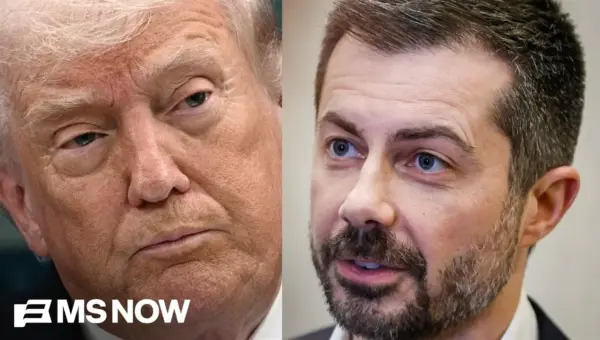
Buttigieg: Trump’s Policies Drive Up Costs for Americans
Former Secretary of Transportation Pete Buttigieg argues that Donald Trump's policies and rhetoric are actively increasing costs for ordinary Americans. He contrasts this with typical administrations that aim to lower inflation, stating that current policies exacerbate economic hardship across various sectors. Buttigieg also addresses Trump's controversial statements, calling them a dangerous erosion of trust.
US Furious With UK Over Iran War Stance, Allies Face Fallout
The United States is reportedly furious with the UK's stance on the Iran conflict, threatening to reassess allied support. Prime Minister Keir Starmer has voiced frustration with global leaders like Trump and Putin impacting energy bills, while the UK's own defense plans face delays amid international fallout.
Noonan Slams Trump’s Iran Threats: ‘Hitting a New Bottom’
Journalist Peggy Noonan has strongly criticized former President Donald Trump's social media threats against Iran, calling them "sinister" and "hitting a new bottom." Her commentary highlights concerns about destabilizing the world and undermining America's moral authority. The piece also touches on divisions within the Republican Party and the silence of its leaders.