World Gathers Without US, Signaling New Era
Around 40 nations met recently without the United States, signaling a significant shift in global power dynamics. The world is actively preparing for a post-American era, focusing on independent diplomacy and economic strategies. This geopolitical realignment is driven by economic realities, particularly concerning vital trade routes, and carries profound consequences for international relations and the United States itself.

World Gathers Without US, Signaling New Era
Around 40 nations recently met to discuss global affairs, and notably, the United States was not invited. This meeting, representing countries from every continent except Antarctica, is being framed by some as a sign of Western diplomacy’s success. However, a closer look reveals a more significant story: the world is actively preparing for a future without American leadership and its security umbrella.
Middle Powers Unite in US Absence
This gathering highlights a growing trend where nations are seeking ways to manage global issues independently of the United States. The sentiment is that a new era has begun, one where middle powers are uniting to shape the world. This shift has far-reaching consequences, especially for the United States, as it is increasingly being excluded from key international discussions and economic pathways.
Economic Realities Trump Politics
The current situation in the Strait of Hormuz offers a stark example of these new realities. Twenty percent of the world’s oil supply is at risk due to ongoing tensions. Commercial insurance for ships passing through this vital waterway has become prohibitively expensive, costing millions in war premiums. Actuaries at Lloyd’s of London, for instance, base their decisions on risk, not political statements, making the passage of oil tankers uninsurable.
Impact on Shipping and Oil
As a result, ships are being rerouted around Africa, adding weeks to journeys and significantly increasing fuel costs for consumers. Iran has strategically implemented a toll system, charging ships millions to pass through the Strait. This move is seen as a smart economic tactic, as paying the toll is more cost-effective than the alternative of extreme rerouting.
Diplomatic Shifts and Iran’s Role
While some ships, like a Maltese-flagged French vessel, have managed to pass, this is largely due to direct negotiations that bypass Washington. Talks between Iran and the United States in Pakistan have broken down, with the US signaling a prolonged campaign. Iran, by controlling this vital chokepoint, is gaining significant global prestige and financial benefits, effectively setting up a ‘toll booth’ on global trade. This asymmetric economic warfare strategy presents a difficult choice for the Western alliance: either pay Iran, or risk all-out war.
The Collapse of Empire: Logistics Over Might
The article argues that the American empire is not collapsing due to a lack of military power, but rather a failure to understand that empires rely on logistical supply lines, not just public relations. Iran’s actions in the Strait of Hormuz are presented as a masterclass in economic warfare, with limited options for the US and its allies.
Humanitarian and Economic Costs
The ongoing conflict and its impact on trade routes are already leading to severe humanitarian consequences. A minimum of 45 million people are projected to face starvation due to delays in fertilizer shipments. The premise that the Strait would remain open only if the US military stayed is challenged, as Iran’s need for diplomacy and global engagement suggests it would seek to profit from passage.
Global Power Shift Ignored by US Media
This global power shift is largely unrecognized within the United States, according to the analysis. While 40 nations are assessing a post-American trade world, mainstream US media and political discourse remain focused elsewhere. The article suggests that Americans are being locked out of the global economy without realizing it, impacting everything from manufacturing to the food on their tables.
Betrayal and Global Isolation
The author frames the current situation as a betrayal of the American people and the world. The continued conflict is leading to destruction of infrastructure and civilian casualties, turning the US into a global pariah. If this trend continues, the United States risks economic collapse and further isolation.
Decoupling from American Influence
The ease with which nations are beginning to decouple from what is termed the ‘American syndicate’ or ’empire’ is highlighted. Countries are finding better deals and realizing they no longer need US permission for foreign policy or security. France and Germany, for example, can now negotiate transit fees directly, reducing their reliance on the US.
Shifting Alliances and Economic Independence
India has been buying discounted Russian crude, ignoring US sanctions, while Japan is rearming, recognizing the overstretched nature of the US Pacific fleet. The domino effect is clear: if Europe can secure its own energy transit without the US, it may soon realize it can secure its own continent as well. This is leading former allies to build new defense networks and partnerships, often with nations previously considered adversaries by the US.
Domestic Consequences for Americans
Meanwhile, Americans face rising costs of living, increased insurance premiums, and a gutting of social safety nets. The argument is made that tax money is being spent on foreign conflicts rather than domestic needs, leading to potential hyperinflation or stagflation. The nation’s ability to finance its debt is questioned, with potential default looming.
A Choice to Abandon the People
The analysis posits that the US government has made a choice to abandon its own people, prioritizing foreign wars and enriching the military-industrial complex. The withdrawal of US security guarantees, such as threats to leave NATO, forces allies to seek new arrangements, further isolating America.
The Rise of Alternatives and the Dollar’s Decline
For 80 years, global waters have been secured by the US Navy, and trade has been conducted in US dollars. This system is now being challenged as the world transitions to a post-American era. The rise of alternative currencies and blocs like BRICS is seen as a significant development, happening loudly globally but with a deafening silence in American discourse.
The Future of Global Order
The gathering of 40 nations without the US confirms the dissolution of many American alliances. Key partners like France, Germany, the UK, and Japan are reassessing their relationships. The potential for a US default on its debt, given Japan’s significant holdings of American debt, is a serious concern. The future depicted is one where America is increasingly isolated, its trade partnerships dwindle, and its global influence wanes, leading to potential internal collapse and subjugation to the whims of its leaders.
Source: The Post-American Era: 40 Nations Just Left the US Behind (YouTube)

Related Articles
Russia Faces Last-Ditch Offensive, Internal Cracks
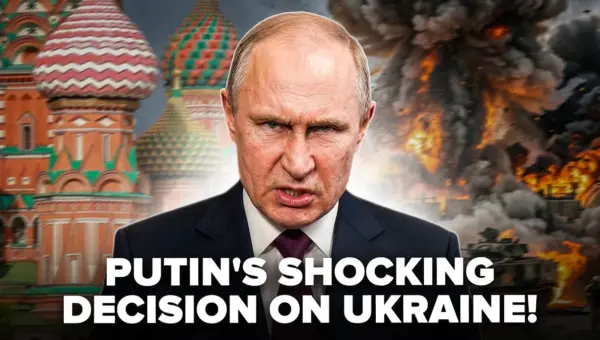
Russia may be launching a final major offensive in Ukraine as it faces mounting internal pressures. Analysts suggest this push is a last resort before significant manpower and financial issues arise. Meanwhile, increasing domestic information control and official criticism highlight growing cracks within the Russian establishment.

Trump Threatens Iran, Shaking Global Stability
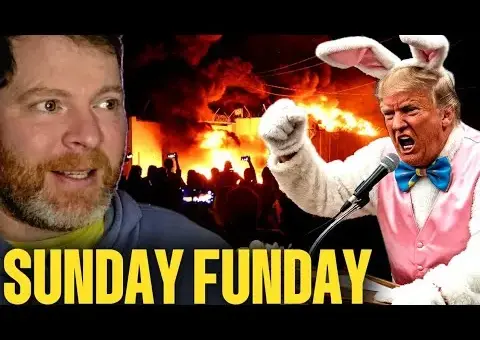
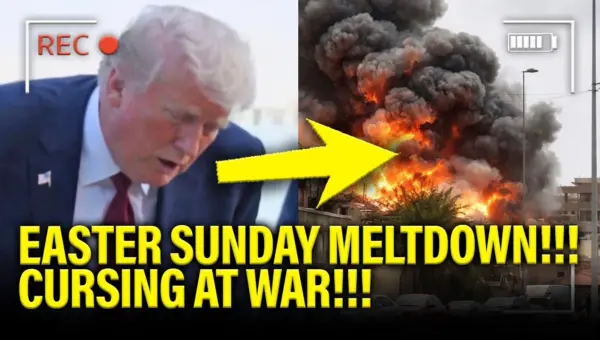
Former President Trump's aggressive Easter Sunday warning to Iran has ignited global concerns, highlighting a volatile intersection of politics, religion, and foreign policy. The analysis explores the motivations behind such rhetoric, the deep divisions within American society, and the potential for severe economic and geopolitical repercussions worldwide.
Trump’s Rhetoric Fuels Iran Tensions, Raises War Crime Alarms
Former President Donald Trump's aggressive Easter weekend social media posts directed at Iran have sparked international concern. His threats of military action and ultimatums, coupled with conflicting narratives about military engagements, have raised alarms about potential war crimes and a dangerous escalation of conflict. Critics accuse both Trump and segments of the media of downplaying the severity of his rhetoric.