Working Class Voters Flee Trump’s Ship: A 2024 Election Reckoning?
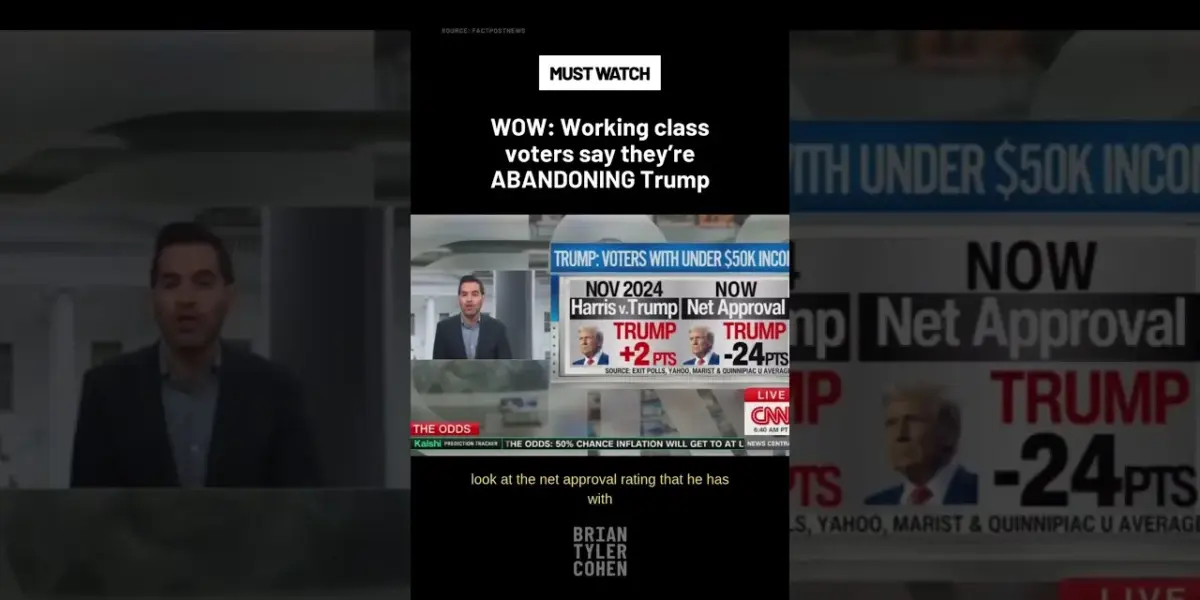
Working-class voters, a crucial base for Donald Trump, are showing a significant decline in approval, according to recent polling. A 26-point drop in net approval among those earning under $50,000 indicates a potential shift away from Trump's coalition. This could have major implications for his future electoral prospects.

Working Class Voters Flee Trump’s Ship: A 2024 Election Reckoning?
Donald Trump built a significant part of his political success on winning over working-class voters, especially those earning $50,000 or less. These voters were a key part of his coalition in the 2020 election, helping him achieve victory. However, recent polling data suggests a dramatic shift is underway, with these same voters now showing a steep decline in their approval of Trump.
New averages of polls reveal a startling 26-point drop in net approval among voters making under $50,000. This group, once a strong base of support for Trump, has moved from positive approval to a net rating of minus 24. This significant swing indicates that many working-class voters who previously supported Trump are now saying they are not backing him in the current political climate.
A Key Demographic Shifts
In past elections, Trump’s ability to connect with blue-collar voters was a defining feature of his campaigns. He often spoke directly to their concerns about jobs, trade, and the economy. This strategy proved highly effective, drawing in a segment of the electorate that had previously leaned Democratic or had been less politically engaged.
The data now suggests this connection is fraying. The sharp decline in approval ratings points to a potential erosion of Trump’s support among a crucial demographic. This is not a minor dip; it represents a fundamental change in how a significant portion of the electorate views the former president.
Historical Context: The Shifting Sands of Working-Class Support
The working class has historically been a powerful force in American politics, often aligning with whichever party best addressed their economic needs and social concerns. For many decades, this group tended to favor the Democratic Party, drawn by its focus on labor rights and social safety nets.
However, the political landscape began to change in the latter half of the 20th century. Economic shifts, globalization, and changing cultural values led to a realignment of some working-class voters. Trump’s rise capitalized on these shifts, offering a different message that resonated with voters who felt left behind by traditional politics and economic changes.
His focus on issues like manufacturing jobs returning to America and challenging international trade deals struck a chord. This allowed him to peel away a significant number of voters, particularly in Rust Belt states, which proved decisive in the 2016 and 2020 elections. The current polling suggests that this hard-won support may be wavering.
Why This Matters
The potential loss of working-class support is significant for any political candidate, but especially for Donald Trump. This demographic has been a cornerstone of his electoral success. If these voters are indeed moving away from him, it could have a profound impact on his ability to win future elections, including the upcoming 2024 presidential race.
For political strategists, understanding this shift is paramount. It raises questions about what issues are now driving working-class voters and what messages will resonate with them. It also highlights the dynamic nature of political loyalty, showing that support is not guaranteed and can change based on evolving circumstances and perceptions.
Implications, Trends, and Future Outlook
The current trend suggests that the economic anxieties and cultural grievances that once propelled Trump’s support among the working class may be evolving or being addressed differently by other political forces. It could indicate that voters are looking for new solutions or are less swayed by Trump’s particular brand of populism.
This development could signal a broader trend of voters reassessing their political allegiances. As the economy continues to change and new challenges emerge, working-class voters will likely continue to weigh which candidates and parties best represent their interests. The future outlook suggests a more fluid and unpredictable electorate, where traditional voting blocs may no longer be as reliable.
Candidates seeking to win over these voters will need to offer compelling platforms that address their economic security, job prospects, and sense of community. The ability to connect on these fundamental issues, rather than relying solely on past loyalties or broad populist appeals, will likely determine success in the evolving political environment.
Source: WOW: Working class voters say they're ABANDONING Trump (YouTube)

Related Articles


GOP Speaker’s Tantrum Exposes Party’s Dysfunction
Speaker Mike Johnson's recent public display of frustration and blame-shifting highlights a deep dysfunction within the Republican party. Following Donald Trump's directive, Johnson blocked a bipartisan funding bill, leading to a government shutdown. This action, coupled with misleading statements about Democrats, exposes a party struggling with competence and prioritizing political loyalty over governing.


MN AG Blasts Trump’s ‘Wicked’ Insults Amid ‘No Kings’ Protests
Thousands protested President Trump's policies nationwide, with Minnesota AG Keith Ellison condemning his "wicked" and "corrupt" nature. Ellison also discussed a state lawsuit against the federal government over withheld evidence in officer-involved shootings.

Trump’s War Strategy Faces Skepticism Amidst Shifting Goals
President Trump's strategy in the ongoing Middle East conflict is facing increasing skepticism, even from his own base. While military actions have seen success, strategic goals are unclear and diverging from allies like Israel. The prolonged war and shifting public perception are creating a sense of uncertainty and doubt.