Woman Framed Boyfriend for Murder, Then Confessed
A woman's desperate attempt to frame her abusive boyfriend for murder led to his and her own wrongful conviction. Leverne Pavloan confessed to participating in Tanya Bennett's murder, implicating John Suznavski, only for the real killer to emerge years later.

Framed for Murder: A Tale of Deception and Wrongful Imprisonment
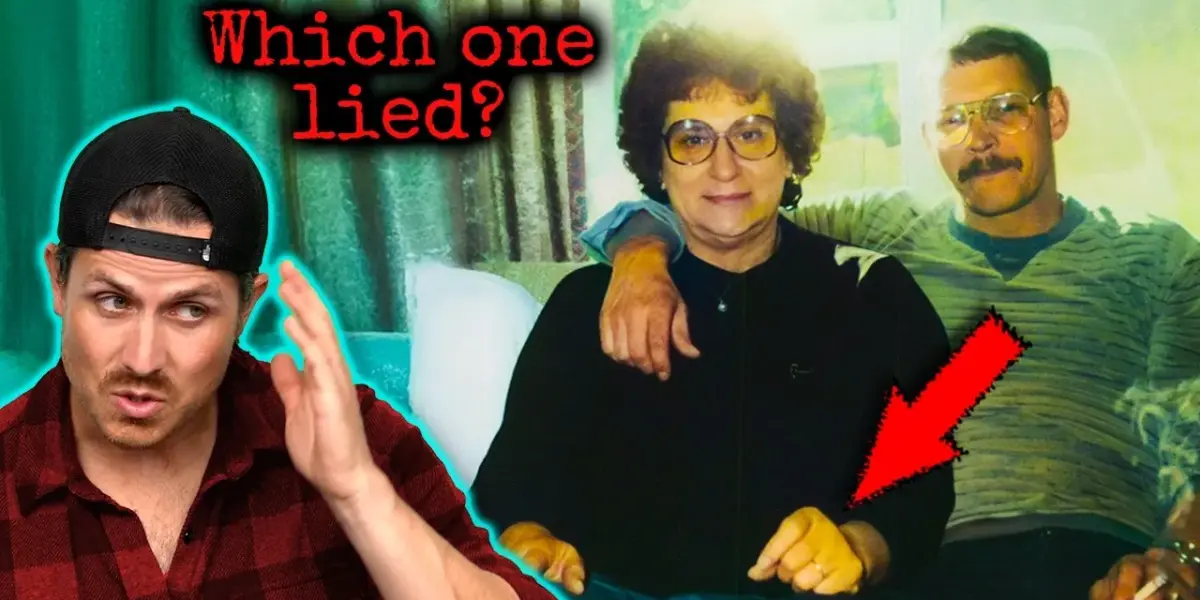
The quiet morning of February 5th, 1990, began like any other for 57-year-old Leverne Pavloan in her Wilsonville, Oregon apartment. She cherished these peaceful hours before her boyfriend, John Suznavski, left for his early shift at the mill. His absence brought a sense of relief, a brief illusion of safety from John’s violent temper, especially when he had been drinking, which was nearly constant.
Leverne had been widowed years before and met John when she was vulnerable and lonely. Ten years into their relationship, she remained trapped, too afraid of his reaction to leave. That morning, as she sipped her coffee and read the local paper, a photograph stopped her cold. It was a picture of Tanya Bennett, a young woman murdered just 30 miles away near Portland. The article detailed how Tanya had been beaten and strangled, her body left near a highway scenic overlook Leverne knew well.
Staring at Tanya’s smiling face, a chilling realization dawned on Leverne. She felt certain John was responsible. Despite her fear, Leverne immediately called the police. The call was a dangerous gamble; if her tip wasn’t enough to arrest John, she feared his retaliation. It was a choice between John going to jail for murder or becoming another victim herself.
The Investigation Begins
A little over a week later, Detective John Ingram, the lead investigator on Tanya Bennett’s murder, met with Leverne. Her nervousness was palpable as she fidgeted and offered refreshments. Ingram’s case was stalled; there were no witnesses, no solid physical evidence, and no clear suspects. Tanya had been seen with a man earlier that night, but descriptions were vague.
Leverne, after some gentle encouragement, recounted that John had come home unusually late the night of the murder and immediately showered. The next day, she overheard him bragging at a bar about picking up Tanya at a truck stop, killing her, and dumping her body by the scenic overlook. This confession, coupled with the location of the body, deeply concerned Ingram. He asked to search their apartment.
A Troubling Discovery and a Suspicious Interview
During the search, Detective Ingram found a torn piece of paper in a box of John’s belongings. It read: “T Bennett, good peace.” This note, along with Leverne’s account, was enough to bring John in for questioning. John, however, appeared confused and claimed he didn’t remember Tanya or writing the note. His answers were vague and nonchalant, raising Ingram’s suspicions, but the evidence remained circumstantial.
Days later, Leverne called Ingram, claiming she found a small swatch of denim in her car’s trunk. This detail was crucial; Tanya’s jeans had a piece of denim deliberately cut from the front buttons, a detail not released to the public. Detectives believed this could be the missing piece of evidence. However, lab tests revealed the denim was not from Tanya’s jeans, leaving Ingram baffled and frustrated.
The Truth Unravels
Confronted directly by Ingram about planting the evidence, Leverne broke down, confessing she had cut up jeans and placed the swatch in her car to ensure John’s arrest. She insisted John had murdered Tanya and that she was terrified of him. While her fear seemed genuine, Ingram sensed she wasn’t telling the whole story. How could she have known about the specific cut of denim unless she had inside knowledge?
Leverne then changed her story, admitting she had lied about planting the evidence. She revealed that on the night of the murder, John had called her in a panic, asking her to meet him at a bar and bring a shower curtain. When she arrived, she found John standing over Tanya’s lifeless body. At John’s request, Leverne helped him place Tanya’s body in her car, wrap it in the curtain, and dump it by the highway. Shockingly, Leverne then confessed that Tanya was still alive when she arrived. At John’s direction, Leverne tied a rope around Tanya’s neck while John sexually assaulted her. After he was finished, Tanya was no longer breathing.
Justice and Revelation
Leverne’s confession explained John’s strange behavior and how she knew the details about the jeans. To confirm her story, detectives drove Leverne to the crime scene. She precisely identified the spot where Tanya’s body had been found, confirming her involvement. On February 21st, 1990, John Suznavski was arrested and charged with murder. Leverne was arrested five days later.
During her trial eleven months later, Leverne recanted her confession, claiming she hadn’t participated in the murder. However, the jury convicted her, and she was sentenced to life in prison. John received the same sentence a few months later. For three years, Detective Ingram was haunted by the case, feeling something was wrong.
In March 1994, a prosecutor contacted Ingram about a strange letter concerning Tanya’s murder. It turned out Leverne’s entire story was a fabrication designed to frame John. She had researched the murder through news reports and gleaned evidence details from Ingram’s list. She had made lucky guesses about the crime scene, but her attempt to frame John inadvertently implicated herself. She confessed to participation, believing she’d receive leniency, but was convicted alongside John.
The real killer of Tanya Bennett confessed in a letter in 1995. This confession led to the release of both John and Leverne, who had each served four years in prison for a crime they did not commit. Leverne’s elaborate lies, driven by her desire to end her relationship with John, led to their wrongful imprisonment, a stark reminder of the devastating consequences of deception within the justice system.
Source: One of these people is hiding something… (YouTube)

Related Articles

Step-Parent’s Cruel Plot Ends Pizza Driver’s Life
A seemingly ordinary pizza delivery turned into a brutal murder plot orchestrated by a resentful stepmother and her abusive partner. Ashley Biggs was lured to her death, and years later, evidence and a secret recording finally brought her killers to justice.
Bundy Linked to 1974 Cold Case: Justice Arrives Decades Later
Authorities have definitively linked serial killer Ted Bundy to the 1974 murders of Laura and Amy, closing a nearly 50-year-old cold case. The announcement highlights the importance of preserving evidence and the advancements in forensic science that led to this breakthrough.

Civilians Crack Major Crimes When Cops Can’t
From freeing death row inmates to identifying Capitol rioters, everyday citizens are cracking major crimes. This article explores how civilian efforts have been crucial when the justice system needed a helping hand.