Why I Bought An iPhone Again After Trying Everything
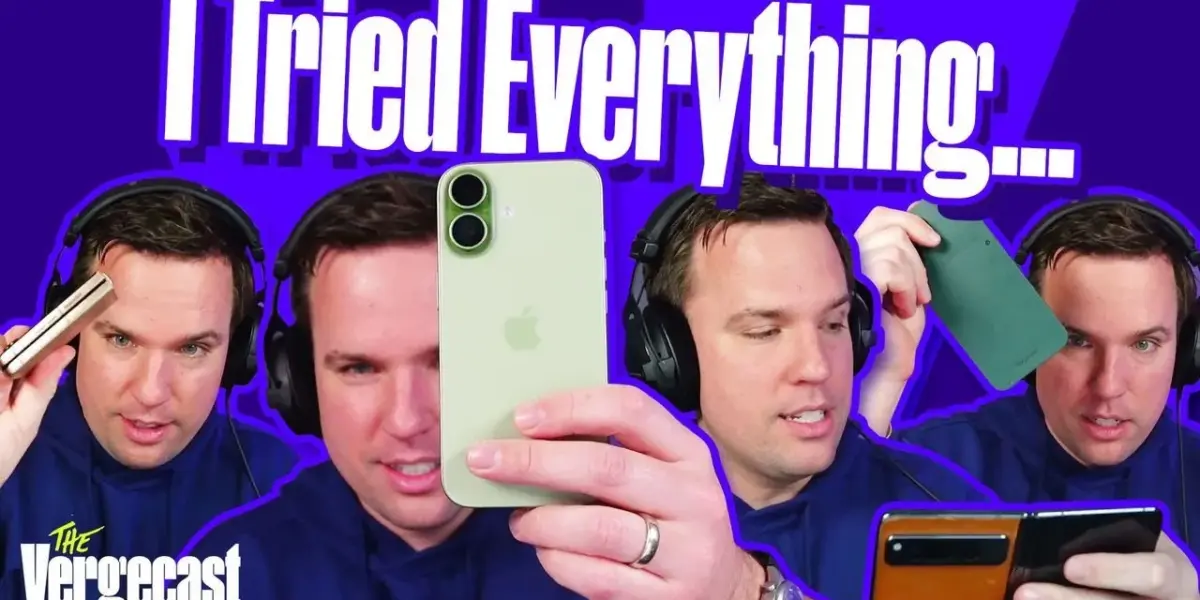
After a months-long exploration of various smartphones, including foldables and flip phones, senior editor David Pierce found himself returning to the familiar embrace of an iPhone. He discusses the significant challenges of switching phones, the software and hardware flaws in newer form factors, and the compelling AI advancements in Android, ultimately explaining why the iPhone's ecosystem won out.

The Unexpected Return to the iPhone
After months of exploring the smartphone world, from cutting-edge foldables to quirky flip phones, it turns out the familiar comfort of an iPhone was the ultimate destination for one tech journalist. David Pierce, senior editor at The Verge, shares his surprising conclusion after a deep dive into the mobile landscape, admitting he bought an iPhone 17, a decision that wasn’t on his radar until very recently.
The Frustration of Switching Phones
The biggest hurdle in trying new phones, Pierce found, is the sheer pain of switching. Transferring an eSIM, especially between different operating systems, can be a nightmare. He recounts a 36-hour ordeal involving multiple phone calls and even needing his mom to authenticate his account with Verizon. While Android-to-Android transfers are smoother, moving data like WhatsApp chats and app settings can still take up to a week to feel seamless. This difficulty is a major reason people stick with their current phones, a deliberate lock-in effect.
For reviewers like Allison Johnson, who constantly tests new devices, the solution is often to simply lose messages and start fresh. Pierce, however, relies on password managers to speed up the process, though even that involves a tedious two-hour login session and the occasional hunt for a parking app. The stress of setting up a new phone is so significant that people often visit Apple Stores just to have a professional handle the update, highlighting a fundamental flaw in the current device setup experience.
Foldables and Flip Phones: Great Ideas, Flawed Execution
The dream of a foldable or flip phone remains just that for Pierce. He believes foldable phones, like the Pixel Fold, suffer from hardware issues. They are still too big and awkward to use one-handed, and durability remains a concern. While the larger screen is appealing, the overall user experience doesn’t quite justify the trade-offs. Samsung’s One UI on Android was also a dealbreaker for him, making him skip their foldable devices entirely.
Flip phones, on the other hand, have a software problem. Pierce loved the hardware of the Motorola Razr Ultra but found the software clunky. Apps are often too tall, keyboards are awkward, and switching between the outer and inner screens feels disjointed. Motorola’s software doesn’t seem to account for the simple act of closing the phone, leading to frustrating experiences like constantly triggering Gemini by accident.
Android’s Edge in Spam Blocking and AI Assistants
One clear advantage for Android, particularly the Pixel, is its superior spam call filtering. Pierce experienced significantly fewer spam calls on Android compared to his iPhone. While iOS offers some options, Android seems more intuitive in either labeling calls as spam or simply blocking them altogether, a relief for anyone tired of constant interruptions.
The difference in AI assistants is even more striking. Gemini on Android is lightyears ahead of Siri on iOS. Pierce found himself using voice commands much more frequently on Android, asking Gemini for information, controlling the phone, or finding apps. Siri, in contrast, often struggles with basic requests, leading users to simply give up on voice assistance. Gemini’s ability to access personal data like calendars and even automate tasks, such as ordering a pizza or scheduling an Uber, feels like the future of smartphone interaction.
The Promise of AI Automation
The most exciting development for Pierce is AI-powered task automation. While still in beta and sometimes slow or wonky, features that allow Gemini to interact with apps and complete tasks on your behalf are a glimpse into what’s next. Imagine asking your phone to order your usual takeout or schedule an Uber for an early flight – these capabilities, even in their early stages, significantly simplify daily life by reducing the need for multiple taps and app juggling.
This AI automation, combined with subtle nudges like adding events to your calendar or offering quick replies, makes the Android experience feel more intelligent and responsive. While iOS excels at things like one-time password autofill, Android’s broader AI integration is changing how users interact with their devices. The potential for AI to handle mundane tasks is immense, offering a compelling reason to consider Android.
Authentication: The Unsung Daily Struggle
Pierce identifies authentication as a major pain point in daily phone use. While the Pixel’s combination of face unlock and fingerprint reader is praised, the overall password manager integration across platforms is messy. Sometimes suggestions appear, other times you have to manually open the app, leading to an unpredictable and frustrating login experience. This constant friction, though seemingly small, adds up and detracts from the overall usability of a smartphone.
The Verdict: Familiarity Wins (For Now)
Despite the many advantages of Android, especially in AI capabilities and spam filtering, Pierce ultimately returned to the iPhone. The seamlessness of the Apple ecosystem, even with its limitations, and the sheer difficulty of switching proved too much to overcome. While he acknowledges the iPhone’s shortcomings, like its less capable AI assistant, the comfort of familiarity and the avoidance of the switching hassle led him back. It’s a testament to how deeply ingrained our phone choices become and how much friction still exists in the mobile world.
Source: Welp, I bought an iPhone again | The Vergecast (YouTube)

Related Articles


Samsung’s TriFold: A Rare Gem, Hard to Get
Samsung's elusive Galaxy Z TriFold, a phone with two hinges that unfolds into a tablet, proved incredibly hard to obtain. After a difficult purchase and software modifications, it offers a unique glimpse into foldable tech, but remains a niche product for enthusiasts.

Android Outshines iOS in Key Usability Areas
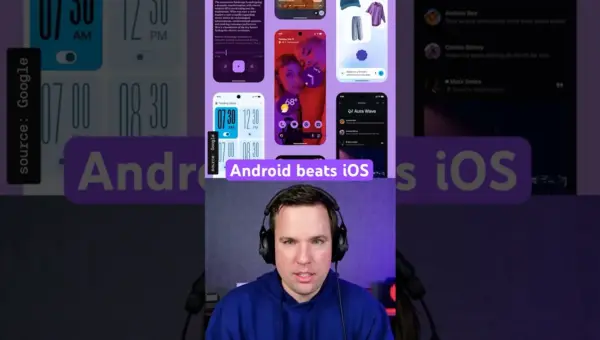
Android is outperforming iOS in crucial areas like notification management and overall usability. Its intuitive design and smarter alerts offer a less distracting phone experience. While Apple focuses on AI, Android's practical advantages currently make it the superior choice for many users.


Foldable Phones: Big Screen, Big Problems
Foldable phones promise more screen, but current models face significant hurdles. Book-style foldables are too big, while flip phones suffer from confusing software. Both are works in progress for early adopters.