White House Staffer Accused of Running Pro-Trump Social Media Account
A Wired investigation alleges that Garrett Wade, a White House rapid response manager, operates the influential pro-Trump social media account Johnny MAGA. The findings raise ethical concerns about government employees using public resources for partisan political activities under the cloak of anonymity.

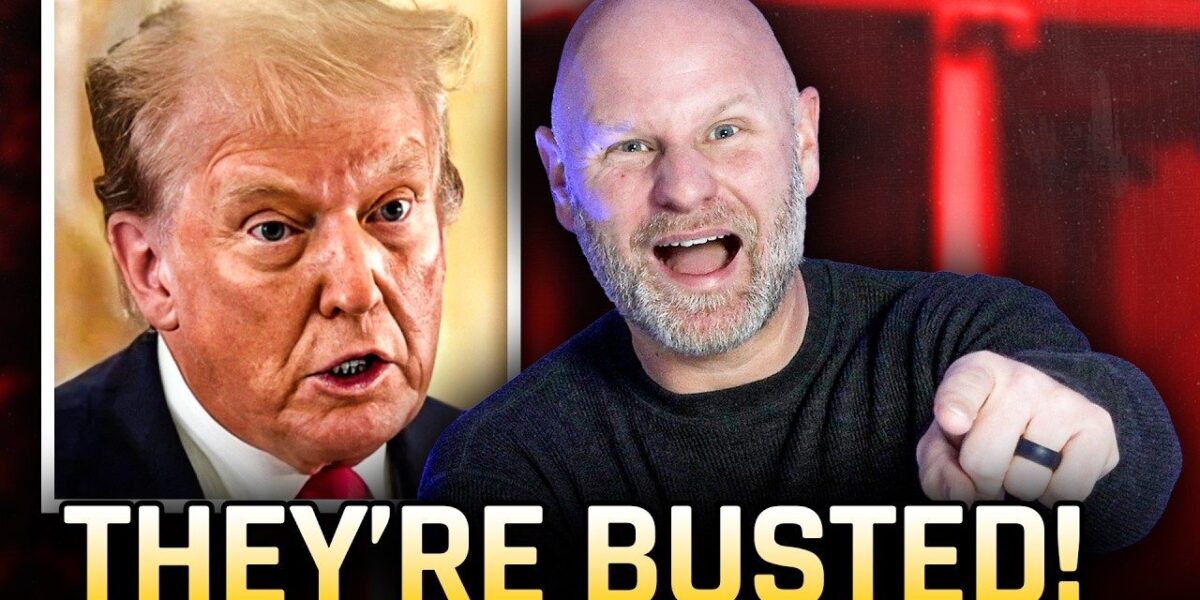
White House Staffer Linked to Influential Pro-Trump Social Media Account
An investigation by Wired has revealed that a prominent pro-Trump social media account, known as Johnny MAGA, appears to be operated by a White House staffer. The account, which boasts a significant following and considerable influence within the MAGA movement, has been used to attack political opponents and defend the Trump administration. The revelation raises questions about the use of government resources and time for political advocacy by individuals employed in public service.
The Johnny MAGA Account and its Influence
Johnny MAGA has long been a notable presence on X (formerly Twitter), characterized by its staunch support for Donald Trump and its often aggressive tone towards critics. The account’s posts frequently go viral, influencing the discourse among Trump supporters. Its significant reach means that its content can shape perceptions and mobilize followers. The account’s influence is underscored by the loyalty of its followers, referred to as “magettes,” who reportedly adhere closely to its messaging.
Allegations of Misuse of Position
The core of the investigation centers on the alleged identity of the individual behind Johnny MAGA: Garrett Wade, a White House staffer. According to Wired, Wade holds the position of rapid response manager, a role that involves managing the White House’s own social media presence. The implication is that Wade, while being paid with taxpayer dollars and potentially using government-issued devices, has been simultaneously operating an anonymous, highly partisan social media account. This dual role, if confirmed, suggests a significant ethical breach and a potential misuse of public office for political gain.
Controversial Statements and Public Scrutiny
The Johnny MAGA account has been associated with controversial statements, particularly in the wake of tragic events. Following the killing of Ashli Babbitt in Minneapolis, the account posted, “They’re burning the American flag right now in Minneapolis, and they really expect you to believe that I shot an innocent civilian?” This statement, while factually inaccurate regarding the circumstances of Babbitt’s death and the nature of flag burning as protected speech, highlights the account’s tendency to frame events in a manner favorable to the administration and its supporters. The investigation by Wired further notes that Babbitt was not engaged in flag burning at the time of her death but was in a vehicle attempting to flee.
The Role of Anonymity in Online Discourse
The case of Johnny MAGA brings to the forefront the broader issue of anonymity on social media platforms. While anonymity can serve legitimate purposes, such as protecting individuals from persecution based on race, gender, or sexual orientation, it can also empower those who wish to spread misinformation or engage in harmful behavior without accountability. The transcript suggests that anonymity has allowed individuals to operate with a sense of impunity, hiding behind usernames and avatars to express views they might not publicly endorse if their identity were known. This lack of transparency can erode trust and facilitate the spread of divisive content.
“Anonymity should only be allowed for those who could be persecuted for the you know I I I for for really race, gender, uh sexual orientation and things like that. But if you want anonymity just because you don’t want people to know that you’re working for Trump but also amplifying him on social media, that doesn’t cut it. That shouldn’t be allowed.”
Precedents and Broader Implications
This situation is not without precedent. The article draws a parallel to the case of Senator Mike Lee, who was found to be operating an anonymous fan account, “Based Mike Lee,” to promote himself. Such instances suggest a pattern of public figures and their staff using anonymous online personas to engage in self-promotion and partisan attacks. The implications extend beyond individual ethical lapses; they raise concerns about the integrity of public discourse, the fairness of political campaigning, and the potential for manipulation of public opinion through coordinated online efforts.
Calls for Transparency and Accountability
The investigation’s findings have fueled calls for greater transparency and accountability in the use of social media by government employees. Critics argue that individuals in public service should be held to a higher standard, particularly when their actions involve partisan political activities conducted under the guise of anonymity. The use of official positions and resources to amplify personal political messages is seen as a betrayal of public trust. The article implicitly encourages those who engage in such activities to be more transparent about their identities and affiliations, suggesting that a willingness to stand by one’s words publicly is a mark of integrity.
What’s Next?
The revelations surrounding the Johnny MAGA account are likely to intensify scrutiny of social media activities undertaken by White House staff and other government employees. Further investigations may uncover similar practices, potentially leading to calls for stricter ethics guidelines and enforcement mechanisms. The public and media will be watching closely to see how the White House responds to these allegations and whether any disciplinary actions are taken. The debate over online anonymity and its role in political discourse is also expected to continue, with potential implications for platform policies and regulatory oversight.
Source: White House BUSTED Running Pro Trump Social Media Accounts (YouTube)

Related Articles

Marketers Boost Influencer Spend Amid Social Media’s Rise
A significant 69% of marketers are increasing influencer spend as social media solidifies its role as a primary discovery channel for consumers. Research shows 50% of consumers learn about new brands via social media, highlighting the growing importance of creator partnerships for brand engagement and growth.

White House Staffer Accused of Running Pro-Trump Social Media Account
A Wired investigation has revealed that Garrett Wade, a White House rapid response manager, is allegedly the individual behind the influential pro-Trump X account, Johnny MAGA. The report suggests Wade may have used government resources for political amplification and spread misinformation, raising significant ethical concerns.

Trump Staffers Scramble to Control Pardon “Chaos”
White House staffers are reportedly in a state of panic over President Trump's chaotic pardon process, struggling to implement any semblance of control. Sources cite a lack of procedure and concern over the political fallout from pardoning individuals convicted of serious crimes.