White House Rift Grows Over Unjustified War
Internal disagreements within the White House over a current conflict are spilling into public view. Reports indicate a deep split among officials regarding the war's strategy, justification, and long-term consequences, raising serious questions about the administration's approach.

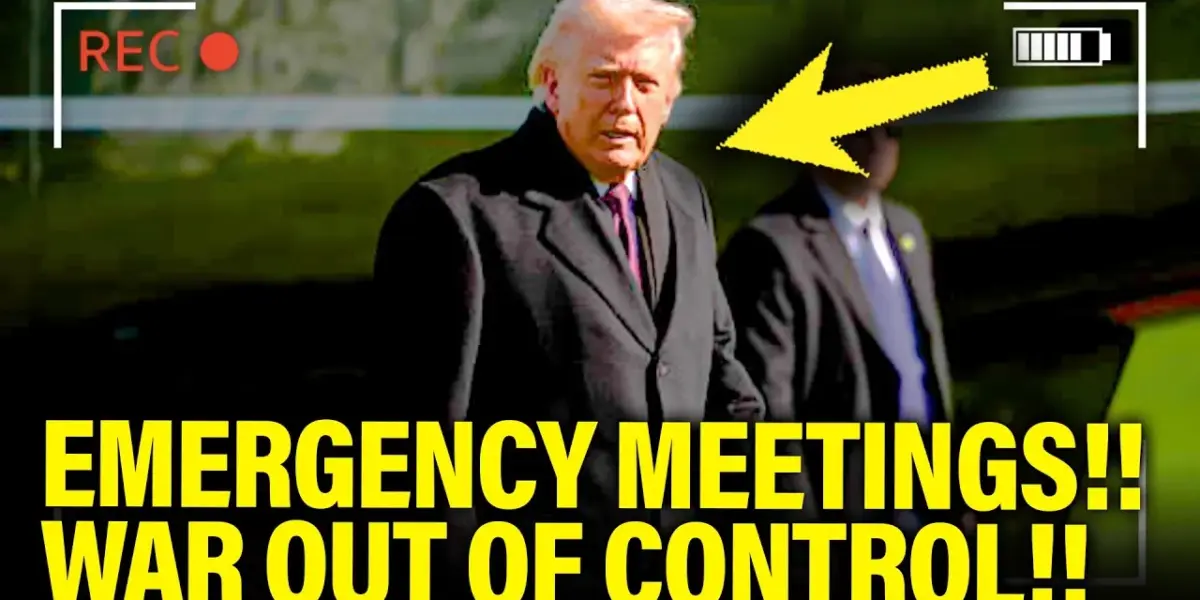
White House Divided Over Costly War
New reports show a major disagreement inside the White House about a current conflict. Officials are reportedly split on the reasons for the war, how it’s being fought, and what its long-term effects might be. This internal fighting is no longer being kept private; it’s becoming public knowledge.
Intelligence Questions Spark Doubts
A key point of contention seems to be the intelligence used to justify the war. One official, Joe Kent, who led the National Counterterrorism Center under a previous administration, resigned in protest. He stated that Iran did not pose an immediate danger to the United States and that the war itself was not justified. This is a serious claim from someone within the government’s intelligence circles.
During a hearing, intelligence leaders were questioned about the threat posed by Iran. They confirmed that Iran’s nuclear program was significantly damaged by past strikes and that there were no current efforts to rebuild it. However, when asked if there was an *imminent* nuclear threat, the response was evasive. This suggests that the intelligence community’s findings might not fully support the White House’s public statements about the war’s necessity.
It appears that the five-alarm fire is coming from inside the house.
Conflicting Views on the War’s Nature
There’s also confusion about whether the current actions should be called a “war.” Some officials, including the Secretary of Defense, have referred to it as a war. However, others, particularly members of Congress, argue that because Congress did not officially declare war, these should be considered “combat operations.” This distinction is important because a formal declaration of war would require congressional approval.
The White House has also faced criticism for changing its reasons for the conflict. Initially, the goal was to stop an “imminent nuclear threat.” Later, the focus shifted. This inconsistency has fueled doubts about the administration’s strategy and its ability to achieve its goals.
Warnings Ignored, Escalation Feared
Reports suggest that military and intelligence officials had warned about the risks of this conflict before it began. They expressed concerns that the war could lead to wider escalation in the Middle East and disrupt global oil supplies, especially through the Strait of Hormuz. These warnings appear to have been ignored, leading to the current situation.
One former official noted that the conflict’s goals, such as regime change in Iran or eliminating its nuclear program, have not been met. Instead, the situation in Iran may have worsened, with a more repressive leader now in power. This outcome is the opposite of what was intended.
Public Disagreement and Potential Consequences
The public disagreements and resignations signal a serious breakdown within the administration. When officials start leaving and publicly stating their reasons, it becomes impossible to hide the internal conflict. This directly challenges the government’s main arguments for starting the war.
The situation is made more complicated by the president’s changing statements about needing help from allies. At times, he has emphasized America’s strength and independence, stating that allies are not needed. At other times, he has suggested a need for their support, creating confusion about the country’s foreign policy approach.
Furthermore, unexpected attacks by Iran on countries like Qatar and Saudi Arabia have surprised many, including those in leadership positions. This lack of foresight raises questions about the quality of intelligence and planning that went into the current military actions.
Why This Matters
The internal divisions within the White House over this war are significant. They raise serious questions about the justification, strategy, and effectiveness of the military actions being taken. When top officials disagree so strongly that some resign, it suggests that the war’s foundation may be shaky.
This situation highlights the importance of clear intelligence, well-defined goals, and public accountability in matters of war. It also shows how disagreements within a government can impact its ability to act decisively and maintain public trust. The lack of clear communication and the shifting justifications for the conflict make it difficult for both the public and allies to understand the United States’ objectives and commitment.
Looking Ahead
The ongoing internal conflict and public leaks suggest that the White House is under immense pressure. The future of the war and its outcomes remain uncertain. The administration must address these deep divisions and provide clear, consistent reasoning for its actions to regain credibility. The potential for further escalation and the impact on global stability are serious concerns that require careful consideration and transparent communication.
Source: WHITE HOUSE PANICS as WAR LEAK Signals DISASTER (YouTube)

Related Articles
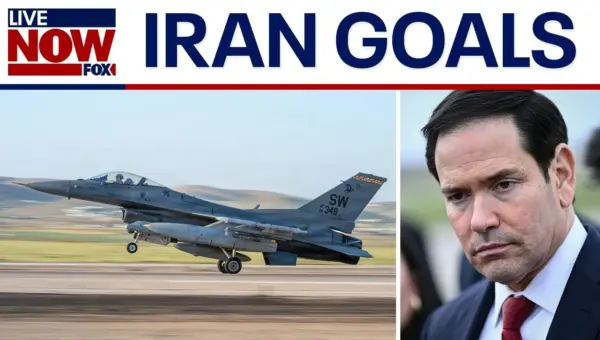
Rubio: US Can Achieve Iran War Goals Without Troops
Senator Marco Rubio outlined a strategy to counter Iran without deploying U.S. ground troops, focusing on weakening the regime and enhancing maritime security. He also criticized Cuba's economic system and expressed concerns about West Bank violence.
Trump’s “Walk Away” Tactic Signals Tougher Stance on China
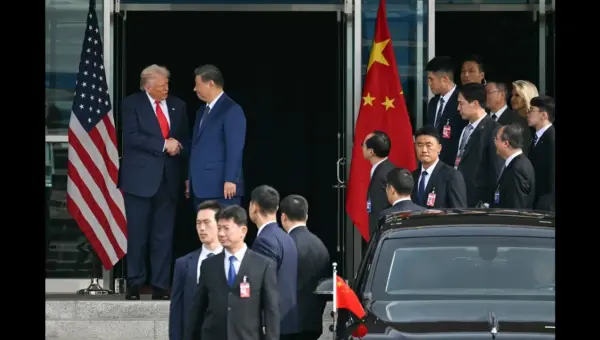
Retired Air Force Brigadier General David Stillwell believes President Trump's strategy of being willing to walk away from negotiations puts pressure on China. This tactic, combined with US global actions and strengthened alliances, signals a more assertive American foreign policy.

Trump’s War Talk Stuns Financial Crowd
Donald Trump's recent speech in Miami focused on his foreign policy, particularly his critical views on NATO and his vision for international relations. He declared the U.S. would no longer defend NATO allies, questioned the value of existing alliances, and suggested renaming the Strait of Hormuz. The speech also touched on his personal views of success, his allies, and his perceived role as a global peacemaker.