White House Explains Trump’s Delay in Paying TSA Workers
White House Press Secretary Karoline Leavitt addressed why former President Trump did not ensure TSA workers were paid sooner during a government shutdown. Leavitt emphasized that Congress holds the power of the purse, placing the responsibility for funding on lawmakers. The exchange highlighted the human impact of political gridlock on essential federal employees.

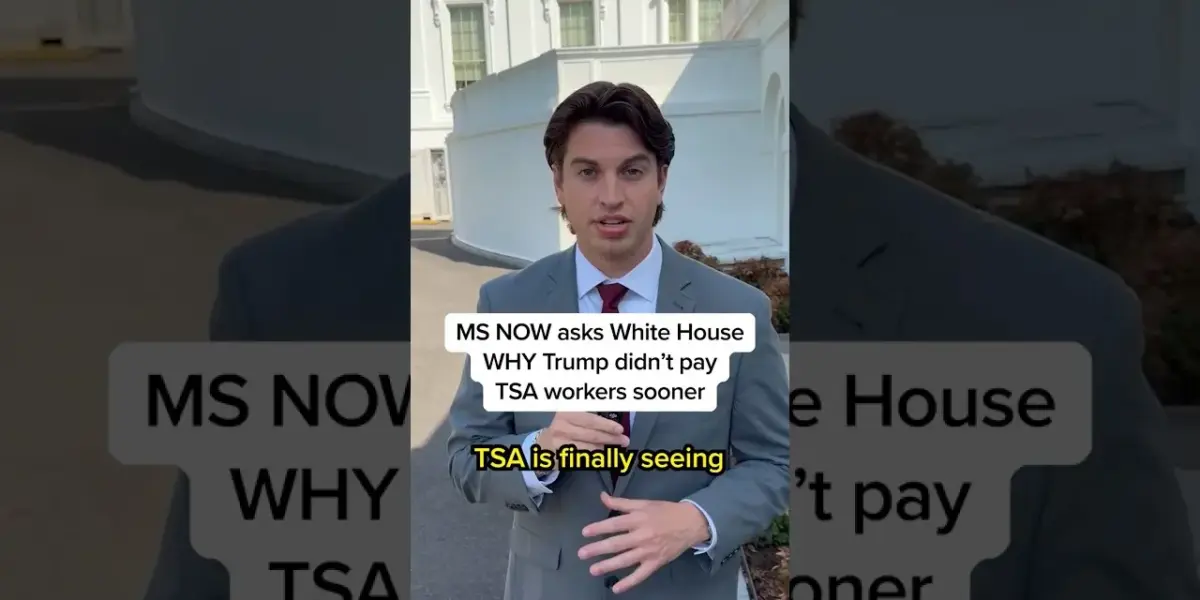
White House Responds to Questions on TSA Worker Pay During Shutdown
White House Press Secretary Karoline Leavitt addressed criticism regarding former President Donald Trump’s actions during a government shutdown, specifically why he did not ensure Transportation Security Administration (TSA) workers were paid sooner. The exchange occurred with MS NOW’s Jake Traylor, who pressed Leavitt on the issue, framing the situation as an “existential crisis” for the affected workers.
The Government Shutdown and Its Impact
Government shutdowns occur when Congress and the President cannot agree on funding for federal agencies. During these periods, non-essential government operations cease, and federal employees may be furloughed or work without pay. The TSA, responsible for airport security, is considered essential, meaning TSA officers continued to work but without receiving their regular paychecks.
This lack of payment created significant financial hardship for thousands of TSA employees and their families. Many rely on their salaries to cover basic living expenses like rent, mortgages, and food. The uncertainty and stress of not knowing when they would be paid added to the difficulty of their situation.
White House Defense of Trump’s Stance
Karoline Leavitt, speaking on behalf of the White House, defended the administration’s approach. She emphasized that the responsibility for funding the government lies with Congress. Leavitt stated that the President’s role is to sign legislation passed by both the House and the Senate. The White House’s position was that the shutdown was a result of congressional inaction, not a failure of the executive branch to prioritize TSA workers.
Leavitt’s remarks suggested that the focus should be on the legislative process and the need for lawmakers to reach an agreement on the budget. She implied that placing the blame solely on the President for the delayed payments overlooked the broader political dynamics and the constitutional roles of each branch of government. The press secretary aimed to shift the narrative, highlighting the complexities of funding government operations.
The Role of Congress in Funding
The U.S. Constitution grants Congress the power of the purse, meaning it controls government spending. This includes appropriating funds for all federal agencies, including the TSA. Therefore, any legislation to provide back pay or ensure continued pay for federal workers during a shutdown must originate in or be passed by Congress.
The White House’s argument, as presented by Leavitt, hinges on this division of power. The administration would argue that while the President can advocate for certain actions, the actual allocation of funds requires congressional approval. This places the onus on lawmakers to resolve budget disputes and pass necessary appropriations bills to prevent or end shutdowns and ensure federal employees are paid.
Broader Implications and Public Scrutiny
The questioning of the White House press secretary highlights the intense public scrutiny that follows government shutdowns. When essential services are disrupted and workers go unpaid, the public demands answers and accountability from those in power. The media plays a crucial role in asking these tough questions and ensuring that the public understands the reasons behind such disruptions.
The situation with TSA workers underscores the human cost of political disagreements in Washington. While politicians debate budgets and policy, it is ordinary citizens, like TSA officers, who often bear the immediate consequences. This event serves as a reminder of the importance of stable government funding and the impact of political gridlock on the lives of federal employees.
What to Watch Next
Moving forward, attention will remain on how future funding disputes are handled and whether mechanisms can be improved to prevent federal workers from facing pay disruptions. The public and the media will likely continue to hold both the executive and legislative branches accountable for ensuring the smooth operation of government and the timely payment of all federal employees, especially those in critical security roles.
Source: MS NOW asks White House WHY Trump didn't pay TSA workers sooner (YouTube)

Related Articles
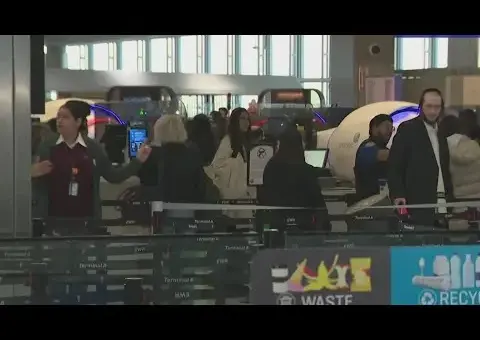
Jet Fuel Shockwaves: Airlines Warn of Fare Hikes, Flight Cuts
Rising jet fuel prices, driven by conflict in the Strait of Hormuz, are forcing airlines to warn travelers of higher fares and fewer flights. This comes as TSA lines ease, but worker pay remains uncertain, highlighting broader instability.
Trump Weighs War Crime Threat Over Iran Strait
President Trump is reportedly willing to accept the continued closure of the Strait of Hormuz, despite earlier threats, signaling a shift in U.S. demands. This comes as gas prices surge and markets react negatively to the ongoing conflict. Conflicting messages from within the administration fuel confusion about the war's objectives and exit strategy.

Trump’s Wealth vs. Biden’s Economy: A Stark Contrast?
A debate contrasts Donald Trump's reported crypto earnings with concerns over Biden's economy, including rising inflation and gas prices. The discussion critically examines proposed fiscal policies and their impact on national debt and social programs.