White House Divided Over Trump’s Iran Strategy, Officials Reveal
Internal conflict is brewing within the White House over President Trump's messaging and strategy concerning Iran. Officials are reportedly concerned about the President's public statements and approach to the escalating conflict, which contrasts with ongoing military operations. This friction emerges as the U.S. extends negotiation deadlines with Iran, a move met with confusion and skepticism.

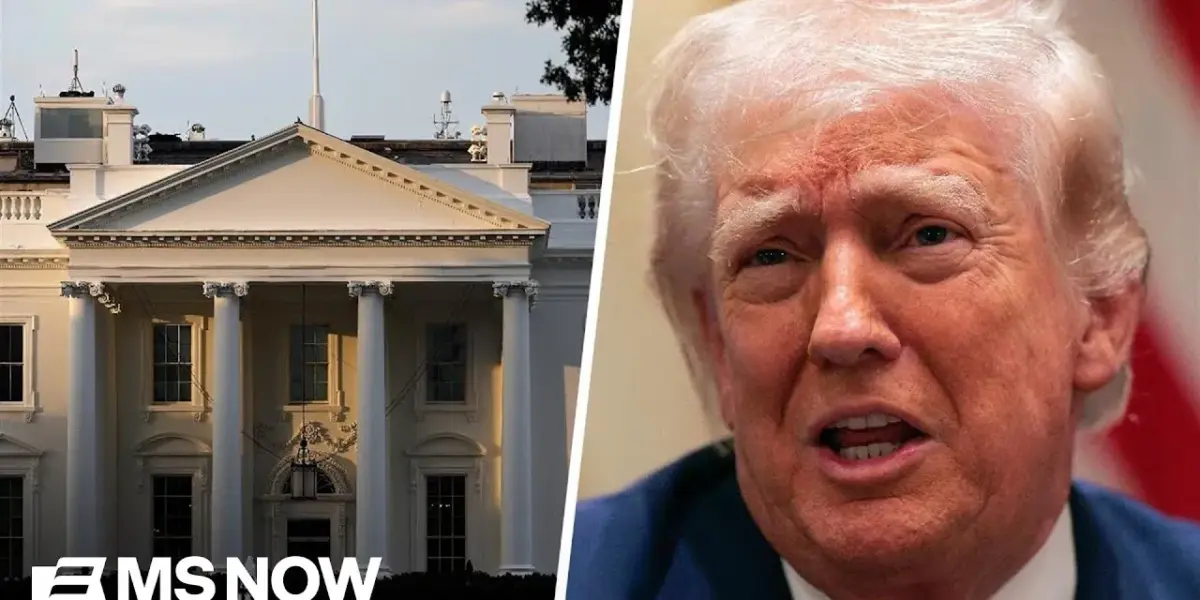
Internal Conflict Erupts Over President’s Iran Messaging
Washington D.C. – A significant rift has emerged within the White House concerning President Trump’s public statements and strategy regarding Iran, according to internal sources. While the President has publicly presented a confident and optimistic outlook, behind the scenes, officials are expressing serious concerns about his messaging and approach to the escalating conflict. This internal friction comes as the U.S. extends its deadline for potential negotiations with Iran, a move that has drawn scrutiny and confusion.
Extended Deadlines and Conflicting Signals
The administration’s approach to Iran has been marked by shifting deadlines and often contradictory statements. Initially, a 48-hour deadline was set, which was later extended to five days, and then to ten days as of yesterday. President Trump defended this extension, stating that talks with Iran are progressing well. However, this assertion directly contrasts with reports from Iranian regime officials, who deny engaging in negotiations on a proposed 15-point peace plan put forth by the United States.
President Trump, speaking on Fox News, attempted to justify the extension by claiming Iran initially requested a 7-day extension, which he then increased to 10 days. This pattern of setting firm deadlines only to extend them has led some critics, who refer to it as “Trump always chickens out,” to question the administration’s resolve. White House insiders suggest this approach may be an attempt to find an “off-ramp” from the conflict while adjusting to the evolving situation.
Military Operations Continue Unabated
Meanwhile, military actions on the ground appear to be proceeding on a separate track, largely independent of political maneuvering. From the Israeli perspective, the IDF spokesperson indicated that they are systematically working through a list of thousands of targets within Iran. This military objective is being pursued regardless of any political developments between the U.S. and Iran. This strategy was cited as the reason for the successful targeting of an Iranian naval commander, with hopes for similar successes in the near future.
Iran has also continued its military actions, launching barrages of ballistic missiles at various parts of Israel. The conflict with Hezbollah in southern Lebanon has also intensified, with the IDF maintaining defensive positions that could potentially become offensive. Concerns are growing that an Israeli push further into Lebanese territory could complicate future diplomatic negotiations, especially since Iran has demanded a cessation of hostilities not only in Iran but also in Lebanon against Hezbollah and other allied groups.
Questions Over Missile Destruction and Troop Deployment
Recent reports from Reuters, citing anonymous U.S. intelligence officials, suggest that only about a third of Iran’s ballistic missile arsenal has been destroyed. This raises questions about the effectiveness of military operations and echoes past instances where claims of success were later walked back. The Pentagon is reportedly considering sending an additional 10,000 troops to the Middle East, adding to the forces already deployed. This troop movement has led to speculation that the extended deadline might be a stalling tactic until these forces arrive.
Admiral Robert Harward, a retired Navy Vice Admiral, commented on the situation, suggesting that the President’s seemingly confusing strategy can be effective in keeping adversaries off balance while he weighs his options. He noted that European allies are supportive of U.S. activities in the region and are providing logistical and air support. The priority, he stated, remains ensuring safe passage through the Strait of Hormuz and eliminating the missile threat, with ground troops potentially aiding in maritime interception operations.
“The President did say Iran gave the U.S. a gift by letting 10 Pakistan-linked ships through the strait. Here was that moment during his cabinet meeting yesterday.”
‘The Art of the Deal’ and Shifting Goals
President Trump described the passage of ten ships as a “gift” from Iran, suggesting a willingness to engage in reciprocal gestures. Admiral Harward characterized this as “the art of the deal,” where a small concession is made to gain a larger advantage. He believes that Iran’s ability to hold the Strait of Hormuz will inevitably erode, and with international support for securing the waterway, it further weakens the Iranian regime. This strategy appears to align with Israel’s broader objectives, though the U.S. President has distanced himself from the idea of regime change as the primary goal.
Internal Discord and ‘Cringeworthy’ Messaging
Despite the President’s public optimism, reporting from Jake Traylor of MS NOW reveals significant internal tension. Three White House officials detailed disagreements over the approach to the Iran conflict, particularly regarding President Trump’s messaging. Some officials described the President’s language as “hyperbolic” and noted that he appears “bored with Iran” and ready to shift his focus elsewhere.
One official expressed frustration, stating that the President’s usual methods of persuasion do not effectively apply to wartime situations. Furthermore, the White House’s use of memes and lighthearted content related to the war has been heavily criticized by internal staff. One official called the war videos “cringe, disrespectful and gross,” expressing embarrassment. These officials are reportedly hesitant to voice their concerns publicly due to fear of retribution.
Looking Ahead
As the situation unfolds, the key questions remain whether the diplomatic efforts will yield results or if military actions will escalate. The internal divisions within the White House add another layer of complexity to an already volatile geopolitical landscape. Observers will be closely watching for further clarity on the administration’s long-term strategy and how the conflicting messages from the President and his staff will impact U.S. foreign policy in the region.
Source: MS NOW: Rift inside White House over Trump's messaging on Iran (YouTube)

Related Articles
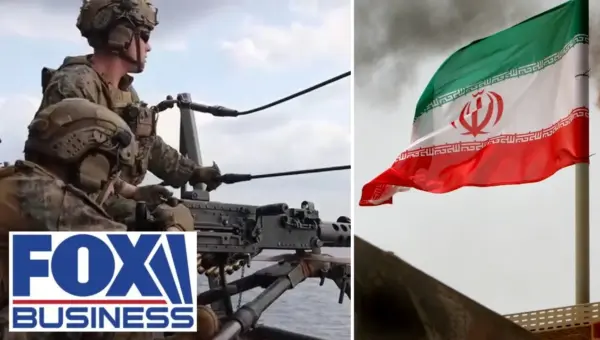
Pentagon Weighs 10,000 Troops for Iran Showdown
The Pentagon is reportedly weighing a significant troop increase of 10,000 soldiers to the Middle East, potentially escalating tensions with Iran. This move comes amid reports of U.S. precision strikes and interceptions of Iranian missiles by allies, raising concerns about regional stability and global oil supplies.

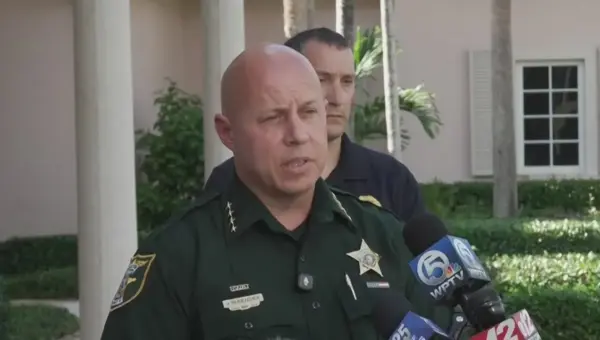
Tiger Woods DUI Arrest Sparks Political Ripples
Golf legend Tiger Woods was arrested for DUI in Florida after a rollover crash, showing signs of impairment not related to alcohol. President Trump commented on the incident, noting a personal connection through Woods' girlfriend.


CPAC Crowd’s Boos Reveal GOP’s Deep Divide
A moment at CPAC where the crowd booed impeachment hearings reveals deep divisions within the Republican party. Younger supporters are concerned the GOP base is crumbling due to issues like the Iran war, gas prices, and other controversies.