Wetherspoons London Lunch: Fish & Chips Out, Sausages Shine
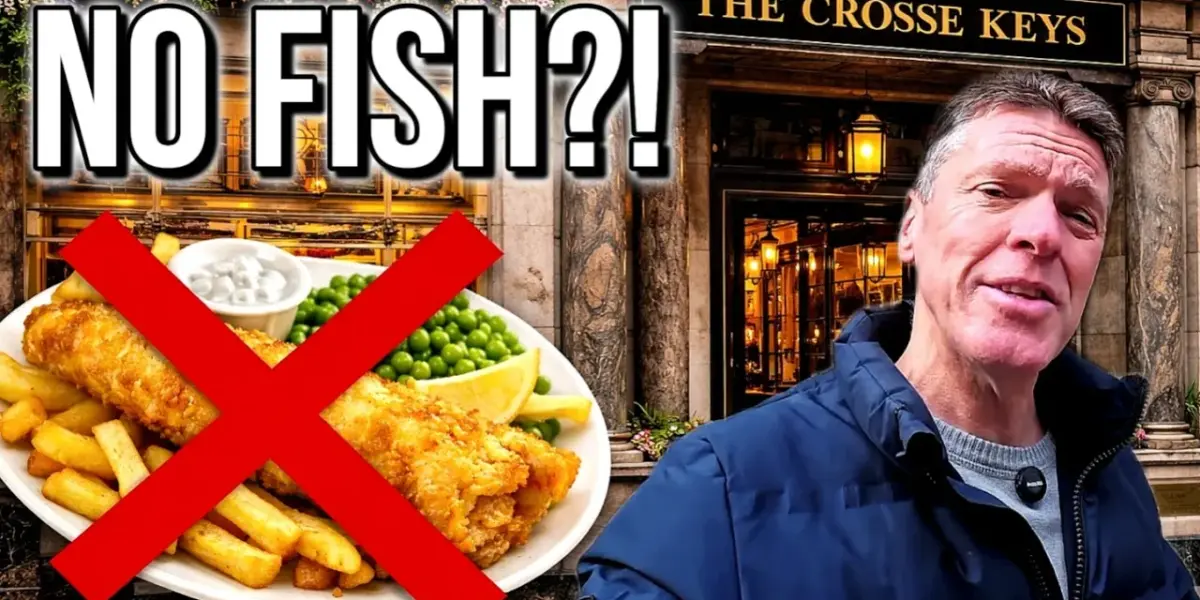
A visit to London's large Wetherspoon's pub, The Cross Keys, revealed a shortage of its signature fish and chips. The reviewer opted for sausages, chips, and beans, highlighting the pub's exceptional value and rapid service despite the menu hiccup.

Wetherspoons London Lunch: Fish & Chips Out, Sausages Shine
In the heart of London’s bustling financial district, a popular chain pub faced an unexpected menu shortage, forcing a pivot from its signature dish to a classic comfort meal. The Cross Keys, a Wetherspoon establishment housed in the former headquarters of HSBC on Gracechurch Street, a building with a history dating back to 1913, found itself unable to serve its best-selling fish and chips during a busy lunchtime. This incident, while seemingly minor, offers a glimpse into the operational realities and value proposition of one of the UK’s largest pub chains.
Historic Venue, Modern Challenges
The Cross Keys pub is notable not only for its prime location in a district where millions are earned daily but also for its impressive scale and ornate architecture, a nod to its past as a banking hub. The pub’s name itself is a historical reference to an inn that stood on the site before the Great Fire of London in 1666. Wetherspoon’s often revitalizes historic buildings, aiming to blend modern pub culture with historical context.
However, the experience at The Cross Keys highlighted a common issue in the hospitality sector: supply chain disruptions. The unavailability of fish, a staple for many pubs, meant that the planned tasting of the classic fish and chips had to be abandoned. This forced a substitution to another traditional British dish: sausages, chips, and beans.
The Value Proposition: A £9.49 Meal Deal
The chosen alternative, sausages, chips, and beans, was ordered through the Wetherspoon’s app, a system designed for efficiency. The meal, which included a pint of Guinness, was priced at an astonishing £9.49. This price point, especially in central London, underscores Wetherspoon’s core strategy of offering highly competitive pricing.
The pub’s ability to offer such low prices is largely attributed to its centralized sourcing model. By purchasing ingredients and beverages in massive volumes through its head office, Wetherspoon’s achieves economies of scale that allow it to undercut many competitors. The company is reportedly the largest single buyer of beer in the UK, further solidifying its bargaining power with suppliers.
“If I was to go to one of the other pubs around here… I would bet it would cost me around £8 because it’s super expensive here. Generally in the UK, you might pay £5 or £6. So if you’re going to your local pub around here, this would be about £8,” the reviewer noted, emphasizing the significant cost savings. The reviewer calculated that, considering the price of a pint of Guinness in the area could range from £7 to £8, the food portion of the meal effectively cost very little.
Service Speed and Food Quality
The speed of service was a standout feature. The pint of Guinness arrived less than a minute after ordering via the app, and the food followed approximately two and a half minutes later, resulting in the complete order being served within three minutes. This rapid delivery was particularly impressive given the pub’s busy atmosphere.
Regarding the food itself:
- Sausages: Described as “decent” and “pretty good,” with a “really good meat content.” They were well-cooked and not overly greasy.
- Chips: Praised for being “really well cooked,” “hot,” “crispy on the outside and nice and white and fluffy on the inside.” This was an improvement from a previous, less satisfactory chip experience at another Wetherspoon’s location.
- Beans: Served in a separate pot to prevent spillage, a practical touch. However, the beans were described as “a bit watery, a little bit thin, and not very tasty,” lacking the sweetness and thickness of more popular brands like Heinz.
Overall, the meal was rated as “decent” and “reasonably tasty,” earning a 7 out of 10 score. While the sausages and chips met expectations, the beans were a minor disappointment. The reviewer noted that the beans served more as a textural element and moisture provider when combined with the sausage, rather than a flavorful component on their own.
The Wetherspoon’s Origin Story
The article also touched upon the origin of the Wetherspoon’s name. Founder Tim Martin (now Sir Tim Martin) named the chain after a teacher, Mr. Weatherspoon, who had told him he would amount to nothing. Naming the pubs after this teacher was an ironic tribute, a story that has become part of the brand’s lore, especially as the chain has grown to over 850 locations across the UK.
Market Impact and Investor Considerations
While this review focuses on a single pub experience, it touches upon broader market dynamics relevant to the hospitality sector and consumer spending. Wetherspoon’s success is built on a foundation of aggressive cost control, high-volume purchasing, and a value-driven menu. This strategy allows it to remain competitive even in expensive urban centers like the City of London.
What Investors Should Know:
- Operational Efficiency: The rapid service and consistent pricing model are key operational strengths. The use of apps for ordering streamlines service and potentially reduces labor costs.
- Supply Chain Resilience: The unavailability of fish highlights potential vulnerabilities in supply chains, which can impact sales and customer satisfaction. Companies that manage these risks effectively are better positioned.
- Value Proposition: In an inflationary environment, Wetherspoon’s focus on affordability remains a significant draw for a large segment of consumers. This value proposition is crucial for maintaining market share.
- Brand Loyalty: Despite criticisms, the brand maintains a loyal customer base attracted by its pricing and the pub experience. The historical aspect of venues like The Cross Keys adds a unique appeal.
Short-Term vs. Long-Term Implications
In the short term, menu shortages can lead to lost sales and a less-than-ideal customer experience. For investors, such incidents are often minor blips, but a pattern of supply issues could signal larger operational challenges. The ability to quickly pivot, as seen with the substitution of sausages for fish, demonstrates adaptability.
In the long term, Wetherspoon’s business model, centered on value and efficiency, appears robust. Its ability to navigate economic downturns and maintain affordability positions it well. However, like all businesses in the food and beverage sector, it must contend with rising costs, labor availability, and evolving consumer preferences. The success of its centralized model and aggressive pricing strategy will continue to be key determinants of its performance in the highly competitive pub market.
While The Cross Keys received a solid 7/10 score, the reviewer indicated a preference for other Wetherspoon’s locations, suggesting that while the value is consistent, the overall experience can vary. This highlights the importance of location and specific pub management within a large chain.
Source: I Went to London’s Biggest Wetherspoons for Fish & Chips… They Had NONE! (YouTube)

Related Articles


Baseball’s Wildest Foods: Dan Refuses Cilantro, Loves Chocolate!
Baseball season brings wild stadium foods, and Dan's strong opinions on cilantro and relish are put to the test. While he'd pass on the Marlins' Machete and Rockies' Glazilla toppings, he's all in for the Diamondbacks' chocolate shake. Even fried grasshoppers are on the table for a dare!


Wetherspoons Vindaloo Delivers Fiery Flavor for £12.21
A Chicken Vindaloo at London's Metropolitan Bar Wetherspoons, costing just £12.21 with a pint of Erdinger, delivered intense heat and surprising flavor. The meal deal highlighted the pub's value proposition, offering a spicy dish and premium drink at a fraction of typical London prices.


Pub’s Fish & Chips Earns Top London Ratings
Victoria Taps, a London pub near Victoria Station, is garnering significant attention for its fish and chips, boasting 4.6 stars on TripAdvisor and 4.5 on Google. This success highlights the enduring appeal of traditional British cuisine and the power of online reviews in the competitive hospitality market.