West Targets Russian Oil: A New Era of Sanctions
New Western sanctions directly target Russia's oil revenue, aiming to cripple the financial engine of its war effort. This strategic shift, previously delayed, now pressures the Kremlin's budget and undermines Putin's image of control. The move forces global companies to choose between U.S. financial access and Russian oil trade, signaling a potentially severe economic and political blow.

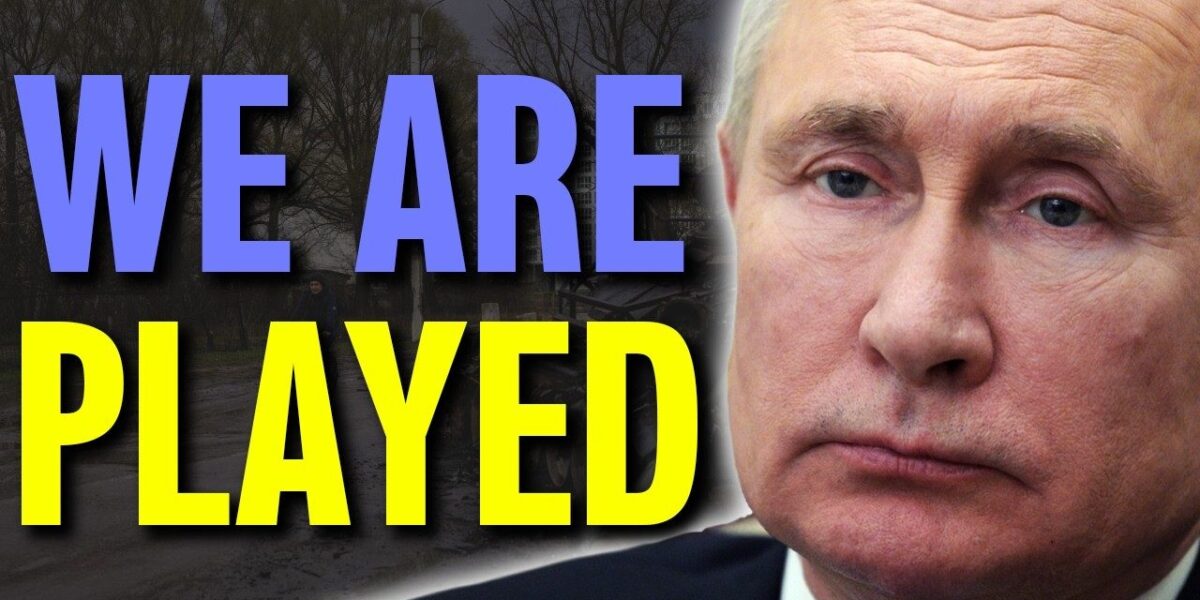
West Targets Russian Oil: A New Era of Sanctions
In a significant policy shift, the United States has implemented stringent sanctions directly targeting the core of Russia’s war funding: its oil exports. This move, which compels global companies to choose between accessing the American financial system and trading Russian oil, marks a departure from previous, more indirect measures and directly impacts the financial underpinnings of the ongoing conflict.
Russia’s Precarious Budget Facing New Pressure
Even before the latest sanctions, Russia’s federal budget was showing signs of strain. Official projections for 2025 anticipated nearly 11 trillion rubles in oil and gas revenues, representing over a quarter of the state’s total income. However, declining oil prices and a weakening dollar-to-ruble exchange rate forced a downward revision of these projections by more than two trillion rubles. Oil and gas revenues were already falling short of expectations by approximately 20%, leading to a 5% decrease in total budget income and a ballooning deficit. The new sanctions are poised to exacerbate these existing financial vulnerabilities.
The concentration of Russia’s fossil fuel exports—approximately 85% to China and India—leaves the Kremlin particularly exposed. A complete cessation of imports by these two nations could theoretically result in a loss of up to four trillion rubles from the budget, a scenario described as “structural collapse.” Even more realistic scenarios, involving reduced imports by India and steeper discounts demanded by China, could lead to budget losses ranging from 1.3 to 2.8 trillion rubles. The article emphasizes that there is no scenario where these sanctions end favorably for the Russian budget, given its already substantial deficit and increasing debt servicing costs.
Money as the True Engine of War
The transcript argues that the war in Ukraine has been sustained not by ideology or popular support, but by financial means. When propaganda, recruitment drives, and patriotic narratives failed to generate genuine enthusiasm or mobilize society, the system resorted to financial incentives. These included one-time bonuses, debt forgiveness, injury payments, and reconstruction contracts, transforming the conflict into a quasi-commercial enterprise.
The defense industry is highlighted as a prime example. Years of producing visually impressive but often impractical hardware were overcome by massive, unrestrained spending. Drones were acquired and replicated, factories were revived through financial injections, and corruption was tolerated rather than eliminated. Personnel losses, which have vastly exceeded those in previous conflicts, were also replenished primarily through substantial financial offers, particularly targeting the poorest regions. The core calculation, according to the analysis, is that as long as the money flows, the system can afford inefficiency, stagnation, and failure. This reliance on liquidity means the war machine requires constant cash flow rather than strategic victories or progress.
“This setup doesn’t require victories. It doesn’t require progress. It only requires liquidity. You can inch forward slowly, announce symbolic gains, and keep going as long as the checks clear.”
The Long-Awaited Sanctions on Oil Exports
The article questions why sanctions directly targeting oil, the most obvious source of funding, were not implemented sooner. For years, Western policy focused on restricting technology, machinery, and logistics while continuing to purchase Russian fossil fuels. This approach is described as economically nonsensical, as it involved simultaneously trying to limit Russia’s capabilities while financing its activities.
While previous sanctions did impose costs, increased logistical complexities, and added friction to transactions, they did not cut off the primary revenue stream. These costs were often passed on to consumers, increasing prices and reducing competitiveness, with the state able to compensate through tax adjustments. The revenue from oil sales remained largely intact, making the war structurally viable. The current shift to sanctioning oil transactions is therefore presented as a fundamental change, directly threatening the uninterrupted flow of funds that has sustained the conflict.
Political Repercussions Within the Kremlin
Beyond the economic impact, the political damage inflicted by these sanctions on Vladimir Putin’s image is considered potentially more severe. Putin’s authority has long been built on the perception of control—over resources, outcomes, and escalation. The current move is seen as puncturing this image, making him appear as someone who rejected a potential off-ramp for normalization and sanctions relief, a path favored by some within the Russian elite who saw an opportunity for rehabilitation under the Trump administration.
By refusing such an opportunity without a clear alternative, the signal sent internally is devastating. Instead of reintegration, Russia faces deeper isolation and shrinking revenues. Instead of leverage, it confronts budget stress and uncertainty within elite circles. The myth of Putin’s strategic genius is challenged, with the direct financial constriction demonstrating a lack of a coherent endgame. The article posits that when the money dries up, other systemic problems like corruption and failures become harder to conceal, making the transactional nature of loyalty within the system more apparent and fragile.
The sanctions are no longer merely an inconvenience but a direct challenge to the financial engine powering the war. Regardless of the extent of compliance by China and India, the outcome is a reduction in Russia’s margin for error and its ability to compensate for failures. The illusion of the war’s infinite endurance is fading, and the consequences of this financial pressure are expected to ripple far beyond economic spreadsheets, reshaping political realities as budgets constrain choices, which in turn limit strategy.
Source: The West JUST HIT RUSSIA Where It HURTS THE MOST. (YouTube)

Related Articles

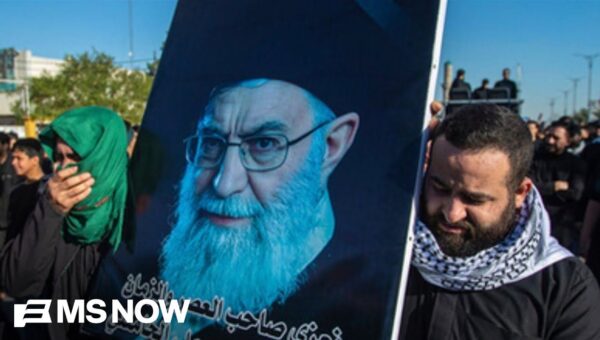
US Regime Change Efforts: A History of Tactical Wins, Strategic Losses
A comprehensive review of U.S. interventions reveals a consistent pattern: while the United States is adept at tactically removing foreign governments, achieving strategic success—the establishment of stable, legitimate political orders—has proven exceedingly difficult. Historical analysis points to unintended consequences and long-term instability as common outcomes.

Thousands Mourn Khamenei, Chant ‘Death to America’ in Iran
Thousands gathered in Yazd, Iran, to mourn Supreme Leader Ayatollah Ali Khamenei following reported U.S. and Israeli strikes. The mourning ceremony was marked by chants of "Death to America," highlighting deep-seated anti-American sentiment amid geopolitical tensions.

Middle East Crisis Triggers Global Chaos: Flights, Oil Prices Hit
A major global crisis has erupted following coordinated strikes on Iran, triggering a massive retaliatory response that has impacted multiple countries across the Middle East. The large-scale attacks have caused widespread aviation chaos and pose significant risks to global energy markets and financial stability.