Wellness Clubs Tap $10 Trillion Market, Offer ‘Third Place’ Haven
The wellness industry is booming towards a $10 trillion valuation, with luxury clubs like Bathhouse and Othership emerging as vital 'third places' for community and connection. Despite high price tags, consumer demand for these premium, alcohol-free social experiences is growing, mirroring the success of high-end fitness chains and signaling a significant market opportunity.

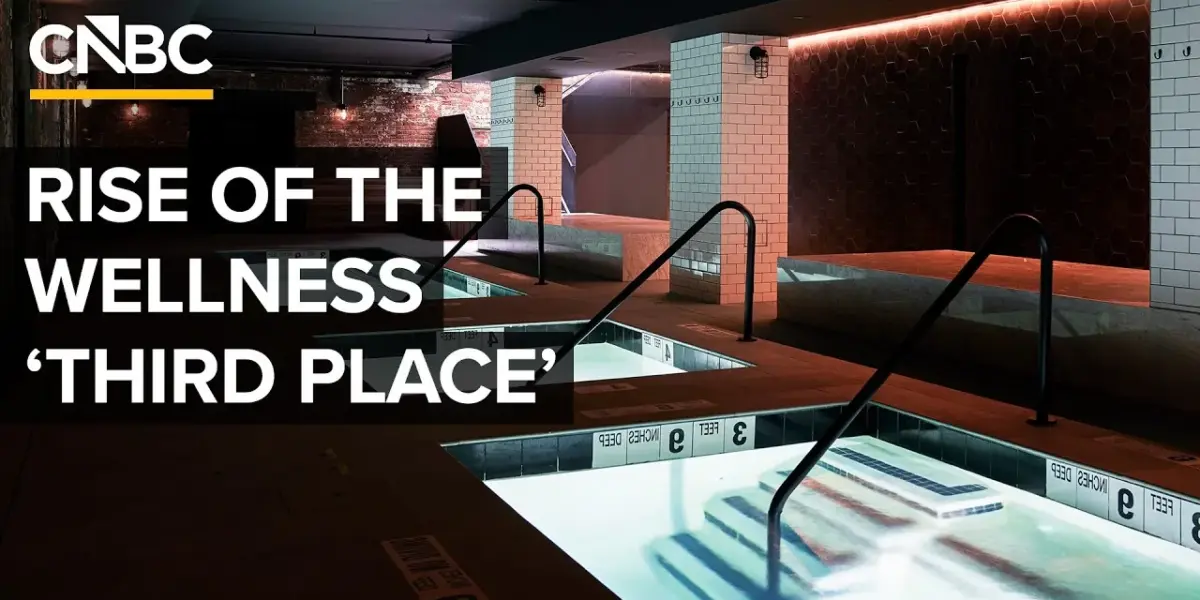
Wellness Industry Surges Towards $10 Trillion Valuation, Fueled by ‘Third Place’ Demand
The wellness industry is experiencing a significant boom, with projections indicating it will reach a staggering $10 trillion valuation in the coming years. This growth is being propelled by a burgeoning demand for experiences that go beyond traditional fitness, catering to a deep-seated human need for community and belonging. Luxury fitness and wellness offerings are at the forefront of this trend, with high-end establishments reporting substantial interest and waiting lists.
Equinox Exemplifies Premium Wellness Appeal
An example of this premium trend is Equinox, a luxury fitness chain that currently boasts a waiting list of over 1,000 individuals for its exclusive membership, priced at an astonishing $40,000 per year. The success of Equinox and similar ventures like Lifetime Fitness is intrinsically linked to a growing societal desire for what sociologist Ray Oldenburg termed a ‘third place’ – a communal space outside of home and work.
The Evolving ‘Third Place’ in a Post-Pandemic World
While the concept of a ‘third place’ has been around for decades, its definition and importance have evolved, particularly in the wake of increased social media usage and the isolation experienced during the COVID-19 pandemic. The subsequent return to normalcy has seen a deliberate shift towards fostering real-world community connections. Wellness clubs are emerging as key players in this landscape, repurposing traditional spa and sauna environments into vibrant community hubs.
Bathhouse and Othership: Redefining Socialization
Companies like Bathhouse and Othership are at the vanguard of this movement. Both launched in the late 2010s and quickly became popular destinations in the New York City wellness scene. These establishments offer an experience that is both entertaining and deeply communal, fostering a sense of belonging through shared activities and a focus on emotional well-being. They are actively leaning into the growing sobriety trend, providing alcohol-free environments for socialization.
Othership, for instance, hosts events such as dance parties, comedy nights, and live music within its sauna spaces, offering an alternative to traditional social settings like bars and clubs. The aim is to provide a healthier way to connect, encouraging patrons to be present in their bodies and engage with one another in a natural, mindful way. While Othership has not disclosed financial details, Bathhouse projects revenues of approximately $120 million by the end of 2026, according to an exclusive report to CNBC.
Glo30: Skincare Meets Community
Beyond saunas and fitness, the community-building aspect is also evident in other wellness sectors. Glo30, a national skincare membership club, has witnessed a tenfold increase in the demand for community integration since its inception 13 years ago. The company recognizes that a ‘third place’ doesn’t have to be a traditional club but rather a space that facilitates meaningful customer interaction through its unique offerings.
Addressing the Price Barrier
A significant hurdle for many of these wellness clubs is their price point. Memberships, whether focused on fitness, skincare, or thermal bathing, can cost hundreds to thousands of dollars annually, making them inaccessible to a broad segment of the population. The operational model for many smaller-scale wellness venues involves substantial fixed costs, which can make it challenging to lower prices significantly.
Investor Sentiment and Lifetime Fitness’s Strategy
The financial landscape for these privately held companies remains largely opaque. However, publicly traded Lifetime Fitness has strategically invested in premium wellness initiatives over the past few years. Initially, investors expressed reservations about the significant expenditure, but this strategy is now yielding positive results, with the company’s stock price more than doubling since October 2023. This suggests that despite the high costs, consumers who can afford it are demonstrating a strong willingness to invest in these premium wellness experiences.
Market Impact and Investor Outlook
The burgeoning wellness industry, particularly the ‘third place’ concept embodied by clubs like Bathhouse and Othership, represents a significant market opportunity. While the high price point remains a barrier, the demonstrated consumer demand and the successful pivot by established players like Lifetime Fitness indicate a robust and growing sector. Investors are likely to watch for further expansion and innovation in this space, particularly from companies that can effectively balance premium offerings with community building and demonstrate a clear path to profitability. The trend suggests a long-term shift in consumer priorities towards experiences that foster connection and well-being, even at a premium cost.
What Investors Should Know
- The wellness industry is a rapidly expanding market, projected to reach $10 trillion.
- The ‘third place’ concept is driving demand for community-focused wellness spaces.
- Companies like Bathhouse and Othership are innovating by offering alcohol-free social experiences.
- Premium pricing is a characteristic of this sector, though it limits accessibility.
- Publicly traded companies like Lifetime Fitness are seeing success with their investments in premium wellness.
- Investor interest may grow as more of these privately held companies demonstrate strong revenue growth and profitability.
Source: Why Wellness Clubs Like Bathhouse And Othership Are Becoming America’s 'Third Place' (YouTube)

Related Articles


Blackwell Fights Back Against Corporate Takeover
In Blackwell, Arkansas, a former warehouse manager turned farmer is leading a community's fight against the encroaching corporate giant Amax. With critical crops to plant and local independence at stake, the town is betting its future on a grassroots agricultural revival.


A Call for Kindness Amidst Urban Life
An observer's decision to offer a compliment instead of judgment while driving sparked a broader call for kindness. The movement encourages sharing small acts of goodwill to foster a more positive environment.


AI Boom Fuels Data Center Surge, Power Demand Soars
The AI revolution is driving an unprecedented surge in data center construction, with US projects valued at $40 billion and energy consumption set to double by 2030. This demand is causing electricity prices to soar and positioning energy as the next critical global commodity. Investors are increasingly looking towards power generation and infrastructure as key opportunities.