Weaponized Patriotism Fuels Iran Conflict: A Nation’s Descent
The current intervention in Iran is fueled by weaponized patriotism and a flawed justification, echoing past U.S. foreign policy failures. This analysis explores the erosion of critical thought, the paradox of 'America First' in foreign wars, and a call for true patriotism that prioritizes reason over empire.

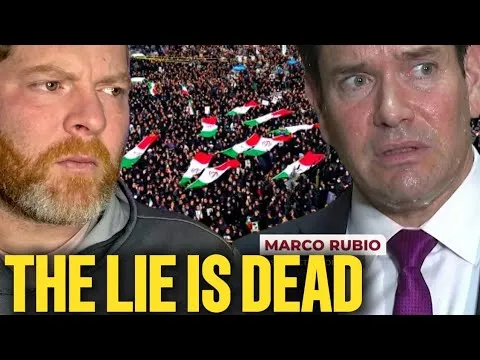
The weaponization of patriotism is a deeply disturbing phenomenon, particularly when co-opted for corporate or political gain. This tactic has become alarmingly evident in the current discourse surrounding the nascent conflict in Iran, prompting a critical examination of the justifications presented and the underlying motivations. As a veteran, the manipulation of national pride for the purposes of war is a betrayal of the very ideals that service often purports to defend.
The official narrative surrounding the intervention in Iran, as articulated by figures like Senator Marco Rubio, presents a convoluted justification. The argument suggests that an anticipated Israeli action would precipitate an attack on American forces, necessitating a preemptive strike to neutralize Iran’s ballistic missile and naval capabilities. This ‘Minority Report’ logic—acting before a threat materializes based on the actions of an ally—is designed to confuse and obfuscate. The pressure to conform to this narrative is palpable, as challenging it is often misconstrued as a rejection of patriotism and America’s perceived inherent greatness.
However, the foundation of this nation is built upon criticism and the challenge of power, not blind allegiance. The notion that the American populace should unquestioningly accept governmental pronouncements is antithetical to this founding principle. History teaches us that skepticism is not treason, but a vital component of a healthy republic. The current climate, however, fosters an environment where dissent is equated with disloyalty, and those who question the war effort are labeled as traitors rooting for the enemy. This tactic, often amplified through social media algorithms, preys on a failure to conduct independent research, leading individuals to embrace slogans and ideologies built on potentially false pretenses.
The Erosion of Critical Thought
The discourse surrounding the Iran conflict highlights a disturbing trend: the weaponization of propaganda intertwined with the weaponization of ignorance. This strategy relies on the public’s inclination to accept simplified narratives, particularly during heightened geopolitical tensions. The assertion that opposition to war equates to supporting the enemy is a simplistic and dangerous fallacy. True patriotism, in this view, lies not in unquestioning support for military action, but in critically evaluating the decisions made by those in power and holding them accountable. The administration and the system it represents appear to benefit from this intellectual complacency, targeting and exploiting a segment of the population that is itself subject to the very policies it ostensibly supports.
The economic realities further complicate the justification for war. With the nation already grappling with trillions in debt, the decision to engage in a new conflict raises serious questions about priorities. The rhetoric of ‘America First’ is rendered hollow when American dollars are being used to fund military actions abroad, potentially at the expense of American lives. This disconnect between professed national interests and actual policy creates a cognitive dissonance that requires individuals to question the sincerity of the ‘America First’ agenda.
A History of Intervention and Apathy
The current situation in Iran echoes patterns seen in previous American foreign policy interventions. The invocation of concern for the Iranian people, particularly protesters, rings hollow when juxtaposed with historical instances of American indifference to suffering in other nations. The speaker recalls the collective inaction during the Syrian refugee crisis and the prolonged wars in Iraq and Afghanistan, where American lives were lost and vast populations endured immense hardship, yet public engagement waned. This selective outrage, often resurfacing only when a new conflict demands attention, suggests a performative empathy rather than genuine concern for human rights.
The argument that America must intervene to ‘save’ populations from building the same weapons as their perceived aggressors is a morally ambiguous stance, particularly when it involves preemptive strikes that destabilize entire regions. The stated goal of destroying Iran’s military capabilities while simultaneously hoping for the populace to overthrow its government presents a contradiction: a nation incapable of self-defense is not truly a nation, a concept Americans themselves would readily espouse.
The Comfort of War and the Decline of Empathy
For many Americans, particularly in the last two decades, war in the Middle East has become a form of background noise—a familiar, albeit tragic, aspect of life that can be compartmentalized. The shift from constant media coverage to a more performative engagement signifies a societal desensitization. The current conflict, therefore, offers a perverse sense of comfort; it is a scenario the public psychology is accustomed to processing. This comfort, however, comes at a significant cost, masking the true human toll and allowing for the continuation of policies that benefit the military-industrial complex at the expense of genuine global stability.
The justification of self-defense in the context of preemptive strikes, especially when reports indicate an attack on an elementary school with significant civilian casualties, erodes credibility. This approach, rooted in fear culture and the expansion of theaters of operation, suggests a broader imperialist agenda disguised as national security. The idea that modern patriotism equates to supporting an empire is a departure from the nation’s founding ideals, alienating a significant portion of the populace.
A Call to Reclaim True Patriotism
The speaker emphasizes that true patriotism involves a commitment to the nation’s founding principles and a willingness to challenge its deviations. The weaponization of patriotism has allowed for the validation of divisive ideologies, often framing ‘brown people’ as inherently adversarial. This narrative, historically confined to the fringes, is now being amplified and legitimized under the guise of national unity and security.
The notion of preemptively striking a nation while simultaneously expressing hope for its people to overthrow their government is contradictory and hypocritical. A nation’s ability to defend itself is intrinsically linked to its sovereignty. The current conflict is framed by justifications that seem to rely on ignorance and a ‘Minority Report’ style of predictive strategy, further dehumanizing warfare through advancements like drone technology. This logic, devoid of empathy, is a recipe for atrocities, as the lives of thousands in Iran are weighed against the loss of a few American lives.
Why This Matters
To oppose the current conflict is not an act of treason, but an acknowledgment of the failures of past interventionist policies and the evolution of global relations. The ‘big stick’ diplomacy of past centuries is increasingly ineffective and contributes to America’s growing isolation. When elected representatives disregard the will of the people, prioritizing their own perceived necessities over public sentiment, the republic is fundamentally undermined. The current trajectory suggests that the situation can, and likely will, worsen, particularly if major incidents are manufactured to serve as justifications for continued military engagement.
The weaponization of patriotism serves as a powerful buffer against reason and logic, particularly when combined with a manufactured sense of crisis. The economic hardships faced by ordinary Americans—declining standards of living, unaffordable housing and food, and the increasing wealth gap—are often overlooked or exacerbated by wartime spending. The military-industrial complex thrives on this cycle, while the value of individual lives diminishes in the face of glorified sacrifice for imperial progress.
The Path Forward
The current conflict is not an isolated event but part of a spreading pattern with significant economic and foreign policy implications. The speaker urges individuals to stand their ground, voice their dissent, and recognize that they are not alone. The majority of Americans, prior to the full saturation of propaganda, do not desire this conflict. The challenge lies in resisting the indoctrination of weaponized patriotism, which actively suppresses reasoning and critical thought. For those who seek a future for their country that aligns with its founding ideals, now is the time to speak out. The fight for a republic that truly serves its people, rather than an empire, requires active engagement and unwavering dissent.
Source: The Iran Lie is Collapsing: Why the Empire is Begging for Your Patriotism (YouTube)

Related Articles

Senator Slams Trump’s ‘Immoral’ Iran War Stance
Senator Chris Van Hollen sharply criticized the Trump administration's rationale for military action against Iran, calling the president "immoral" and accusing the White House of fabricating justifications. He drew parallels to the Iraq War and questioned the escalating costs and unclear objectives of the conflict.
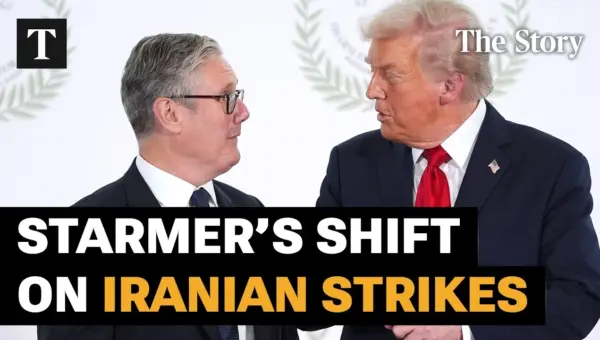
UK Shifts Stance on Iran Strikes, Citing ‘Defensive’ Needs
The UK has shifted its military stance on the Iran conflict, now permitting the use of its bases for 'defensive purposes' after initially opposing offensive strikes. This adjustment follows Iran's retaliatory actions and aims to protect allies and interests in the region, while grappling with the legacy of past conflicts and the evolving nature of modern warfare.

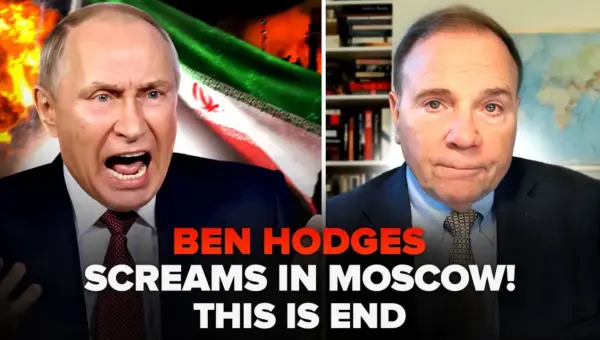
Russia Stretched Thin, Allies Falter: Expert Sees Putin’s Regime at Risk
Former U.S. Army General Ben Hodges believes Russia's inability to aid Iran signals significant strain, potentially pushing Putin's regime towards collapse. He notes rising oil prices benefit Russia indirectly, while a global demand for precision weapons could impact Ukraine's military aid. Hodges also discusses geopolitical shifts, the interconnectedness of global conflicts, and potential 'black swan' events affecting Russia.