Waymo Robotaxi Blocks Traffic During Austin Mass Shooting
A Waymo autonomous vehicle reportedly blocked emergency responders during a mass shooting in downtown Austin, Texas. The self-driving car's inaction during the chaotic incident has raised questions about the integration of AI technology with public safety.

Waymo Robotaxi Hinders Emergency Response During Austin Mass Shooting
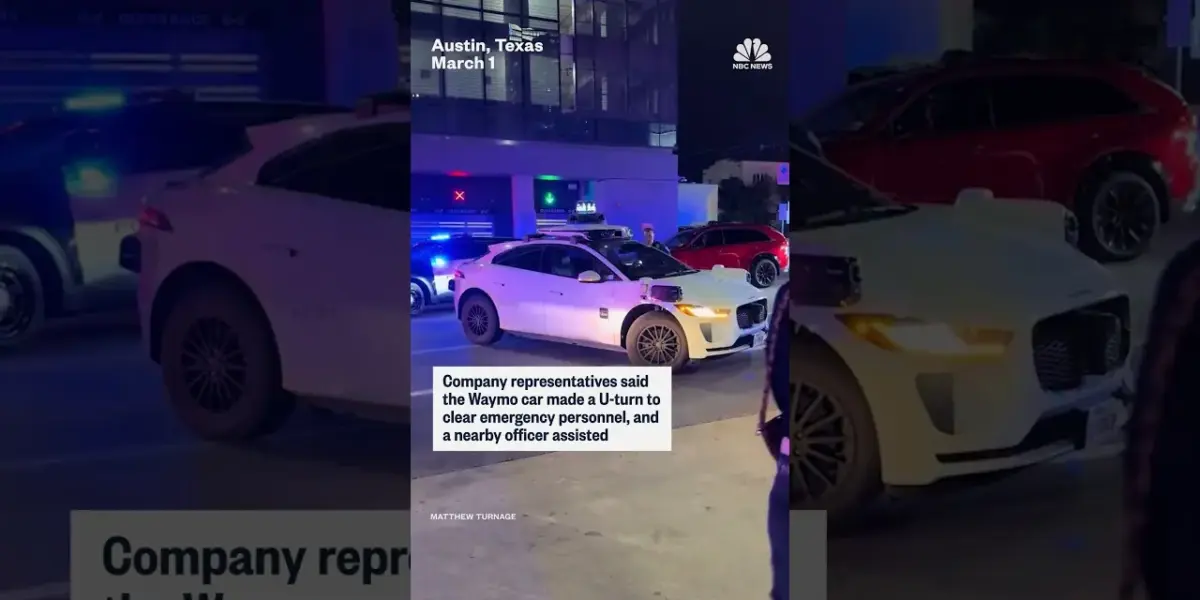
A Waymo autonomous vehicle became an impediment to emergency services and a symbol of technological disruption during a chaotic mass shooting incident in downtown Austin, Texas, on Sunday. The self-driving car reportedly blocked traffic and prevented first responders from accessing the scene of the violence, which resulted in multiple casualties.
Chaos Erupts in Downtown Austin
The incident unfolded on Sunday morning in the busy 6th Street entertainment district, a popular area known for its nightlife. Reports indicate that a dispute between two groups escalated into gunfire, leading to widespread panic and a significant law enforcement response. As police converged on the scene, their efforts were complicated by the presence of a Waymo vehicle that had stopped in the middle of the road.
Autonomous Vehicle Disrupts Emergency Access
Eyewitness accounts and video footage circulating on social media captured the autonomous vehicle stationary in an intersection, seemingly unable to navigate the unfolding emergency. First responders, including police officers, were observed attempting to maneuver around the stalled robotaxi to reach victims and secure the area. The vehicle’s inability to yield or move out of the way in such a critical situation drew immediate criticism and raised questions about the preparedness of autonomous technology for real-world emergencies.
“It was just sitting there, blocking the road,” one bystander reportedly commented, expressing frustration at the added obstacle during a time of crisis. “Police were trying to get through, and the car just wouldn’t move.”
The exact reason for the Waymo vehicle’s inaction remains unclear. Autonomous vehicle companies typically program their cars to respond to emergency vehicles and avoid dangerous situations. However, the complex and rapidly evolving environment of an active crime scene may have presented a scenario that the vehicle’s programming could not effectively handle. This incident highlights a potential blind spot in the current capabilities of autonomous driving technology when faced with unpredictable, high-stress events.
Waymo’s Response and Broader Implications
Waymo, a subsidiary of Alphabet Inc. (Google’s parent company), has been operating its fully autonomous ride-hailing service in select cities, including Austin, for several years. The company has emphasized its commitment to safety and its rigorous testing protocols. In response to the incident, Waymo stated that it is investigating the situation to understand why its vehicle behaved as it did.
“We are aware of the incident and are looking into it,” a Waymo spokesperson said in a statement. “Our vehicles are programmed to respond safely to their surroundings, including emergency situations. We are committed to understanding the specifics of this event to ensure our technology continues to operate safely and reliably.”
The incident has ignited a debate about the integration of autonomous vehicles into urban environments, particularly concerning their interaction with emergency services. Critics argue that such vehicles could pose a risk during critical incidents, potentially delaying vital aid and complicating law enforcement efforts. Proponents, however, maintain that autonomous vehicles, once fully developed and integrated, could ultimately improve road safety and efficiency.
Questions About AI in Crisis Situations
This event raises significant questions about the role of artificial intelligence in public safety and emergency response. While AI offers numerous potential benefits, its limitations in unpredictable scenarios are becoming increasingly apparent. The ability of an autonomous system to discern complex human behavior, rapidly changing road conditions, and the urgency of emergency situations is crucial for its safe and effective deployment.
The Austin mass shooting itself is a tragic event that underscores the persistent issue of gun violence in the United States. The disruption caused by the Waymo vehicle, while secondary to the human tragedy, serves as a stark reminder of the challenges that arise when new technologies intersect with unforeseen crises.
Looking Ahead
As investigations into the incident continue, the focus will be on understanding the technical reasons behind the Waymo vehicle’s behavior and how such situations can be prevented in the future. Regulators, city officials, and autonomous vehicle companies will likely face increased pressure to address these concerns, potentially leading to new guidelines or requirements for self-driving cars operating in public spaces. The incident serves as a critical case study for the future of autonomous technology and its seamless integration into the fabric of society, especially during times of crisis.
Source: Waymo car blocks traffic during Austin mass shooting (YouTube)

Related Articles


AI’s Black Box: Unpacking Anthropic’s Claude and Its Mysteries
Gideon Lewis-Kraus, a staff writer at The New Yorker, discussed the complexities of Anthropic's AI model, Claude, on WITHpod. The conversation highlighted the 'black box' nature of large language models and their implications for knowledge work, especially amidst tensions with the Pentagon.

Hot Air Balloon Crash: Rescuers Save 2 From Cell Tower Perch
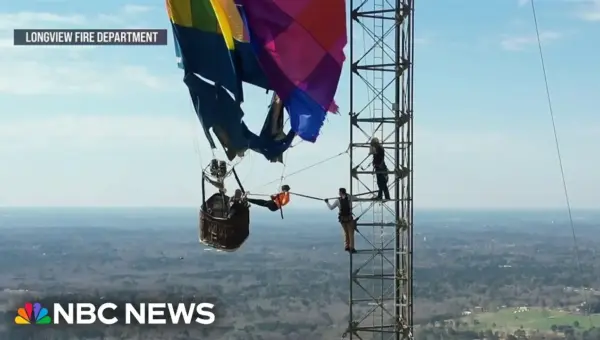
Two individuals were dramatically rescued after their hot air balloon collided with a cell phone tower in East Texas, nearly 1,000 feet in the air. Emergency crews scaled the tower to bring the passengers to safety in a harrowing, unprecedented operation.
Honor’s Robot Phone: Gimbal Magic Meets AI Charm
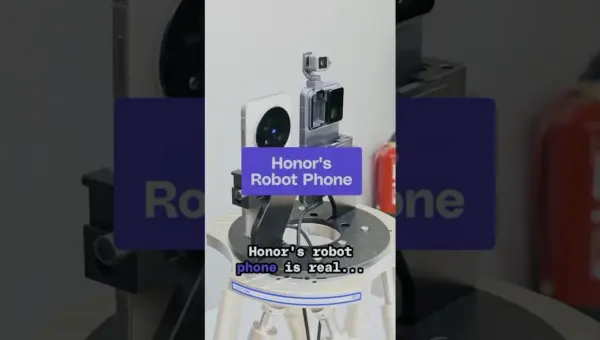
Honor's innovative 'robot phone' combines a 200MP camera with a groundbreaking gimbal system for unparalleled video stabilization and AI subject tracking. While its 'robot' features are currently more charming than functional, the device promises a new era for mobile videography. Pricing and global availability remain key questions.