Watchdog Group: Commanders Frame Iran War in Religious Terms
A watchdog group has raised alarm over U.S. military commanders allegedly framing the war with Iran in religious terms, invoking Christian prophecy and divine plans. This rhetoric, reportedly stemming from evangelical Christian nationalism's influence within the Pentagon, is accused of jeopardizing the constitutional oath of soldiers and undermining military cohesion.

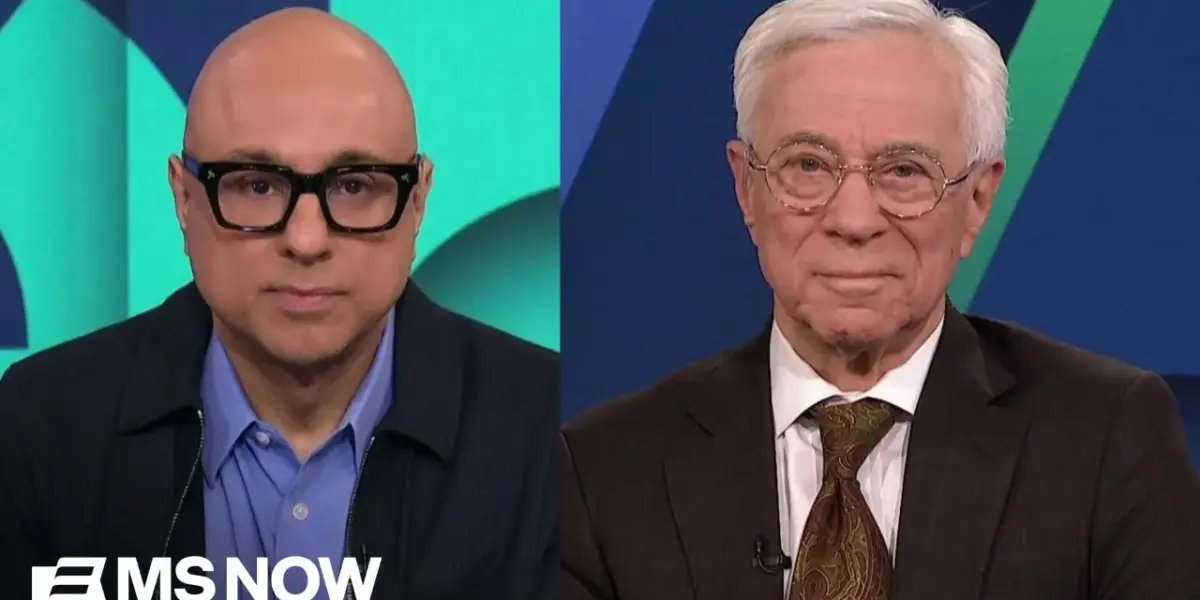
US Military Commanders Accused of Religious Framing of Iran War
In the wake of the recent deaths of six U.S. Army Reserve soldiers in an Iranian drone strike in Kuwait, a watchdog organization has raised serious concerns about the rhetoric employed by some military commanders. The soldiers, who arrived at Dover Air Force Base in Delaware, included individuals with nearly two decades of service and a 20-year-old serviceman. As former President Donald Trump signals a potential escalation of the conflict, the possibility of further casualties looms, with Trump himself having stated, “some people will die.” This statement, delivered with apparent nonchalance, highlights a disconnect between the gravity of the situation and the public’s understanding of the war’s objectives.
A War Without Public Understanding or Support
The article posits that the current conflict with Iran is not a war of necessity and lacks the broad public understanding and support historically required for sustained military engagement. Unlike past conflicts where a clear purpose and shared understanding could offset reluctance to commit resources and lives, the war with Iran is characterized by a lack of coherent justification, unclear objectives, and minimal public backing. This raises the critical question: what is driving this conflict if not public consensus or strategic necessity?
Echoes of Extremism: The Saudi Model
The analysis draws a parallel between the current situation and the historical use of religious extremism to justify political violence. It recalls how extremist interpretations of Islam, sometimes encouraged by regimes like Saudi Arabia, have been used to frame global politics as a civilizational struggle, leading to the rise of groups like Al-Qaeda and ISIS. This ideology, sustained by a political bargain where religious authorities legitimized the state in exchange for power, had devastating consequences. The article suggests that a similar dynamic is now emerging within the highest levels of the American government.
Christian Nationalism’s Inroads in the Military
Under the leadership of individuals like Pete Hegseth at the Pentagon, evangelical Christian nationalism is reported to have gained significant visibility within the U.S. military. The Secretary of Defense has reportedly hosted Christian prayer services at the Pentagon and participates in weekly White House Bible studies. Geopolitical conflicts are allegedly being framed through the lens of Christian civilization, with symbols like the Jerusalem cross, associated with the Crusades, reportedly visible on defense officials. At a recent National Prayer Breakfast, remarks were made about America being founded as a Christian nation and the “sacred duty” of public officials to “glorify Him,” linking national strength to faith and the “Word of God.”
Complaints of Religious Prophecy Justifying War
The Military Religious Freedom Foundation (MRFF) has reported receiving over 200 complaints from service members across more than 50 military installations, spanning all branches of the U.S. military. While these complaints have not been independently verified by the reporting outlet, the MRFF claims that troops allege their commanders are invoking Christian prophecy to justify the war with Iran. According to MRFF founder Mikey Weinstein, one commander reportedly told officers that the war was “all part of God’s divine plan” and that Donald Trump had been “anointed by Jesus to light the signal fire in Iran to cause Armageddon and mark his return to earth.” Other complaints describe commanders discussing a “biblically sanctioned war” tied to Christian end-times prophecies.
“American soldiers who come from all different faiths swear an oath to defend the Constitution, being told that this is war as part of some biblical prophecy, that this is literally God’s plan.”
The Dangers of Merging Religion and Warfare
The article emphasizes the profound danger when war is framed as religious destiny. Such framing can lead to the erosion of restraint, the disregard for the laws of war, the stigmatization of diplomacy as sinful, and the righteous elevation of violence. Soldier deaths are then recontextualized as martyrdom. This ideology, the article argues, is not a fringe element but a core component of the political coalition that propelled Donald Trump to power. The alliance between religious nationalists and Trump is described as a “devil’s bargain,” akin to the Saudi monarchy’s historical pact with religious extremism, where moral and ethical transgressions are overlooked in exchange for influence over cultural, educational, and governmental institutions, including the machinery of state.
Christian Zionism and Territorial Ambitions
Figures within Trump’s orbit are also cited for promoting religiously-motivated foreign policy perspectives. Mike Huckabee, Trump’s ambassador to Israel and a former Baptist minister, is identified as a Christian Zionist, a movement viewing Israel’s existence as a fulfillment of biblical prophecy and a precursor to Christ’s second coming. Huckabee has reportedly framed Middle Eastern politics in theological terms, suggesting that Israel’s control over territory from the Nile to the Euphrates, as described in Genesis 15:18, would be acceptable. Senator Lindsey Graham is also mentioned for describing the current conflict as a “religious war” that will shape the Middle East for a millennium.
A Violation of Military Principles
The article concludes by asserting that the merging of religious ideology, state power, and military force historically leads to “superstition, bigotry, and persecution,” as warned by James Madison. The U.S. military, it is argued, was never intended to fight for religious prophecy. The focus of military service, as exemplified by figures like Desmond Doss, a conscientious objector who received the Medal of Honor, is on unity, mutual reliance, and the defense of the Republic, not on religious dogma. The article highlights that focusing on differences, especially religious ones, within a diverse military populace undermines unit cohesion and the ability to achieve objectives. It is a departure from fundamental leadership principles that emphasize focusing on the unit, fellow soldiers, and the enemy, rather than divisive ideological or religious narratives.
Source: Watchdog: Military commanders accused of framing Iran war in religious terms (YouTube)

Related Articles
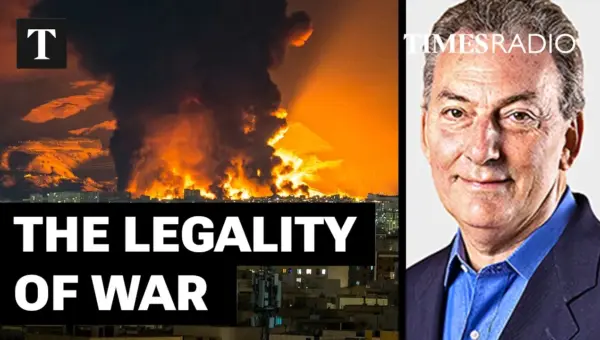
Trump’s Iran Attack: Legal or Illegal War? Experts Weigh In
Experts are questioning the legality of the US-led offensive in Iran, noting that true 'legal gold standard' wars, authorized by UN Security Council resolutions, are exceptionally rare. The conflict's objectives, potential for internal unrest in Iran, and the differing strategies between the US and Israel are under intense scrutiny as the situation develops.

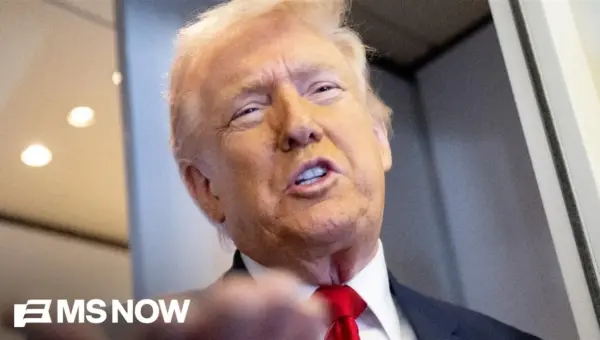
Americans Shun Iran War as Oil Prices Skyrocket
Americans are showing unprecedented discontent with the escalating conflict in Iran, with no "rally around the flag" effect despite soaring oil prices. Geopolitical analysts express shock at the public's apathy, noting a lack of clear communication from the White House regarding the war's objectives and rationale.
Draft Talk Ignites Outrage: Trump Family’s Lavish Lifestyles Clash with War Fears
As fears of a military draft rise amid escalating conflict, the Trump family's lavish lifestyles and business dealings have drawn sharp criticism, highlighting a stark disconnect and fueling public outrage over perceived inequity and profiteering.