War’s Shadow: How Conflict Fuels Economic Pain
International conflicts are directly fueling economic hardship, driving up prices and destabilizing markets. The piece questions government priorities, suggesting war spending comes at the cost of domestic needs like healthcare and economic stability.

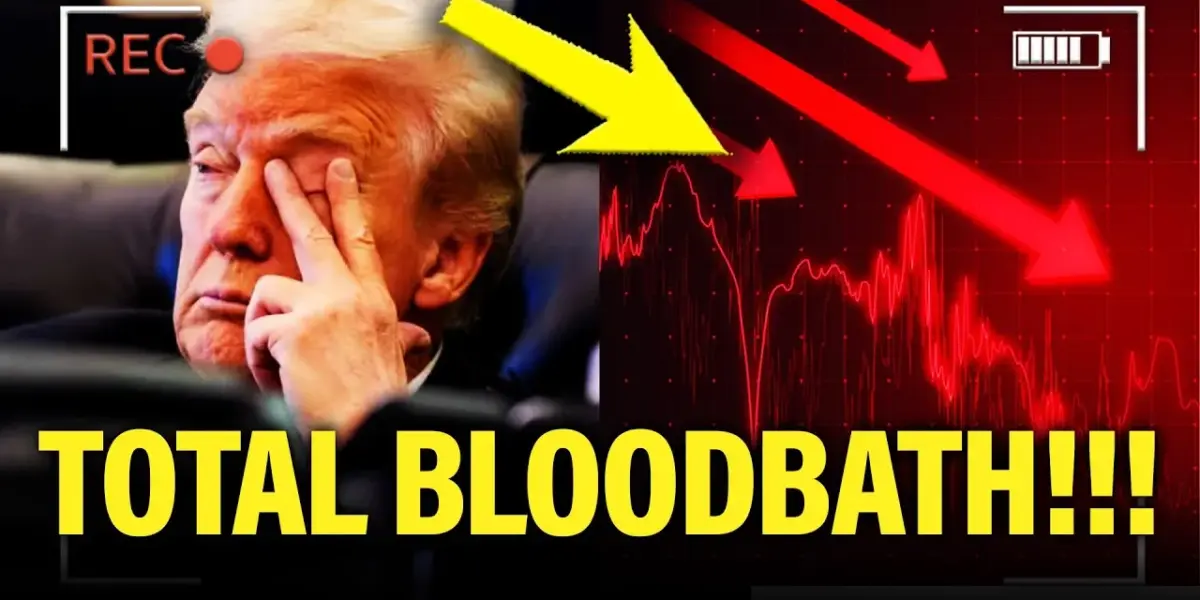
War’s Shadow: How Conflict Fuels Economic Pain
A recent analysis of the current economic situation points to a troubling connection between ongoing international conflicts and a struggling U.S. economy. The argument suggests that decisions made regarding foreign policy, particularly those involving military action, are directly impacting everyday Americans through rising prices and market instability. This perspective highlights a stark contrast between official statements and the lived experiences of citizens facing economic hardship.
The Ripple Effect of Conflict
The core of the discussion revolves around the idea that escalating global conflicts, specifically mentioning a “disastrous war in Iran” and the ongoing situation in Ukraine, are not isolated events. Instead, they are presented as major drivers of economic downturn. The transcript claims that markets are crashing and that people are finding it harder to afford basic necessities. This is a direct challenge to any narrative suggesting economic well-being amidst international turmoil.
“Markets are crashing. People can’t afford things.”
However, a counterpoint is introduced, where a figure, identified as Donald Trump, expresses a different view. He reportedly stated that he expected things to be much worse, implying a sense of relief that the economic impact hasn’t been more severe. This perspective suggests that while challenges exist, they are not as dire as they could have been, or perhaps as dire as some are portraying them.
Rising Prices and Broken Promises
The analysis emphasizes the surge in gas prices as a key indicator of economic distress. This is framed as a direct contradiction to campaign promises to lower prices immediately. The ongoing conflict in Ukraine is also brought up, with claims that it has escalated into a wider global issue. Concerns are raised about foreign entities, like members of the Russian Duma, being hosted by U.S. officials while Russia allegedly supplies Iran with weapons that could harm American troops.
Bond Markets and Investor Confidence
A significant portion of the analysis focuses on the U.S. bond markets, which influence interest rates for everything from mortgages to government debt. The transcript argues that these markets are in “big, big, big trouble.” It questions whether foreign countries will continue to trust U.S. debt after recent international events. The yield on 10-year Treasury notes is reported to be at its highest level since the start of the “Iran war,” with mortgage rates also reaching a seven-month high. Similarly, 2-year note yields have climbed significantly since the conflict began. The NASDAQ is officially in a “correction territory,” meaning it has fallen 10% from its recent high, with other stock market indexes also performing poorly.
The Fed’s Dilemma: Inflation vs. Employment
The discussion then shifts to the complex position of the Federal Reserve (the Fed). The Fed’s primary challenge, as explained, is managing inflation. However, it primarily controls demand (how much people borrow and spend) rather than supply (how much is produced). When supply shocks occur, like rising energy prices, the Fed faces a difficult choice. To combat inflation, it might need to raise interest rates, which could hurt the labor market. Conversely, if it doesn’t raise rates, inflation could worsen.
The current situation is described as a potential nightmare for the Fed: inflation is rising, potentially towards 3.5% or even higher, while the labor market is described as being at its weakest point in years, possibly decades. If the Fed raises rates, it risks a major labor crisis. If it doesn’t, inflation could spiral. This creates a scenario where the Fed must choose between high inflation or high unemployment.
Budgetary Choices: War vs. Healthcare
From a budgetary perspective, the analysis questions where taxpayer money is being allocated. It’s argued that funds that could be used for healthcare, education, or direct aid to citizens are instead being directed towards what is called a “disastrous war.” The cost of this war is estimated to be in the billions of dollars per day, with some estimates suggesting tens of billions spent in just a few weeks. This spending is compared to the cost of renewing healthcare tax credits for millions of Americans, which was significantly less per year.
“So that’s the choice, right? It was either wage a war in Iran or instead use that money to extend the tax credits that save the healthcare of literally millions and millions of Americans. This administration chose to go down the path of war, which was unnecessary, rather than saving the health care of the American people.”
Indirect Costs and Economic Slowdown
Beyond the direct financial outlay for military operations, the analysis highlights significant indirect costs. These include higher gas prices for consumers and increased interest rates on mortgages, student loans, and car loans. When these direct and indirect costs are combined, the argument is that they are severely damaging an economy already struggling. Some analysts believe these combined pressures are pushing the U.S. towards a recession.
Transparency and Accountability
The discussion also touches upon issues of transparency and accountability within the government. A specific instance is mentioned where the head of the Office of Management and Budget (OMB) reportedly refused to testify before a budget committee for an extended period. This is presented as unusual and raises questions about what the official might be trying to hide. Tactics like using a “missing person” milk carton to draw attention to the official’s absence are described as effective in prompting a response.
The core concern is that if the government has done a good job, officials should be eager to share positive results. The reluctance to testify, coupled with allegations of illegal actions like withholding disaster relief funds and the perceived failure of economic policies, suggests a lack of confidence in the administration’s performance. The analysis concludes that the current economic situation, characterized by rising inflation, high gas prices, and a jobless economy, is a direct result of these policies.
Why This Matters
This analysis is crucial because it directly connects geopolitical decisions to the financial well-being of everyday citizens. It suggests that the costs of war are not just measured in human lives or distant headlines, but in the rising prices at the gas pump and the grocery store, and in the increasing difficulty of affording essential services like healthcare. The piece challenges official narratives by presenting data and expert opinions that paint a picture of economic strain directly linked to foreign policy choices. It raises important questions about priorities: are we investing in conflict at the expense of domestic needs like healthcare and economic stability?
Historical Context and Future Outlook
The analysis draws parallels to past events, specifically referencing the economic rhetoric and challenges during Donald Trump’s first term, particularly around the COVID-19 pandemic. This historical comparison suggests a pattern of promises versus outcomes. The current economic environment, with its dual pressures of inflation and potential recession, is framed as a critical juncture. The Federal Reserve’s difficult balancing act between controlling inflation and supporting employment will be a key factor. The future outlook appears uncertain, with the possibility of continued economic hardship if conflicts persist and if the Fed’s policy responses prove insufficient or counterproductive. The piece implies that a lack of transparency and accountability in government decision-making further complicates the path forward, potentially eroding public trust and exacerbating economic anxieties.
Source: UH OH! Trump LOSES CONTROL as War CRASHES MARKETS!! (YouTube)

Related Articles

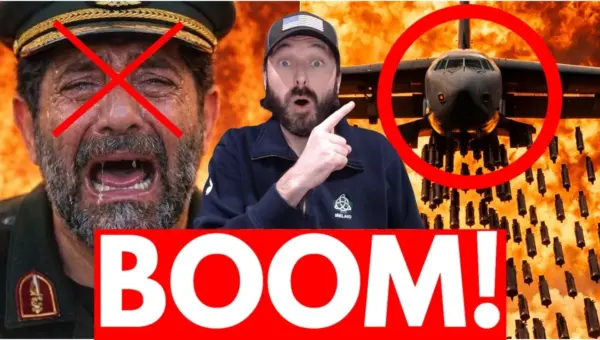
US Bombs Iran: Leaders Killed, Invasion Looms
The United States has launched powerful bombings against Iran, destroying key military targets and reportedly killing six senior leaders. With B-52 bombers involved and US ground troops moving into the region, a ground invasion appears imminent, signaling a dramatic escalation.
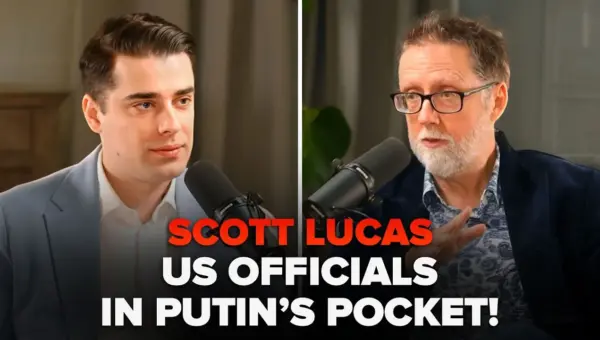
Kremlin Saw Trump as Key Asset, Analysis Reveals
Analysis suggests Moscow viewed Donald Trump as a key "asset" rather than a recruited agent. This perspective allegedly shaped Russian efforts to influence U.S. policy, particularly concerning the 2016 election and ongoing geopolitical conflicts. The piece details alleged Russian engagement with Trump since the 1970s and explores the implications of these connections on international relations.

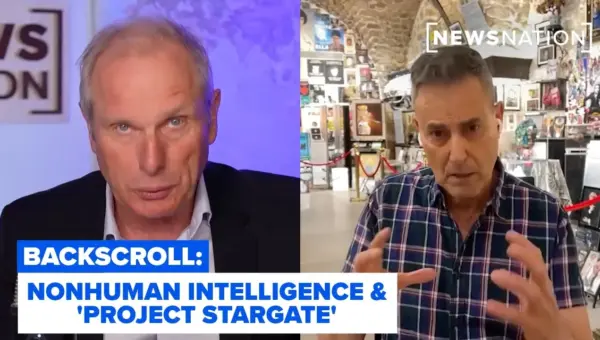
Objects in Orbit Hint at Pre-Human Intelligence
New scientific papers suggest artificial objects orbited Earth before human satellites, hinting at non-human intelligence. Declassified CIA documents also reveal serious investigation into psychic abilities via Project Stargate. These developments challenge our understanding of history and the universe.