War’s Hidden Toll: Beyond Bombshells, A Health Catastrophe Unfolds
The escalating conflict surrounding Iran is unleashing a devastating public health crisis, extending far beyond immediate casualties. Environmental devastation from burning oil facilities and the deliberate targeting of healthcare infrastructure are creating long-term health risks, including respiratory illnesses, chronic diseases, and profound mental health trauma for civilian populations.

War’s Hidden Toll: Beyond Bombshells, A Health Catastrophe Unfolds
When global conflicts erupt, the immediate focus often falls on geopolitical maneuverings, military strategies, and the immediate shock of explosions. However, a critical and often overlooked dimension of warfare is its devastating impact on public health. As the conflict involving Iran enters its second week, with former President Trump issuing a stark warning on Truth Social about unfolding events, the deeply intertwined relationship between war and health is brought into sharp relief. This analysis delves into the profound and multifaceted health consequences of modern warfare, extending far beyond the immediate battlefield casualties.
The Invisible Wounds: Environmental Devastation and Health
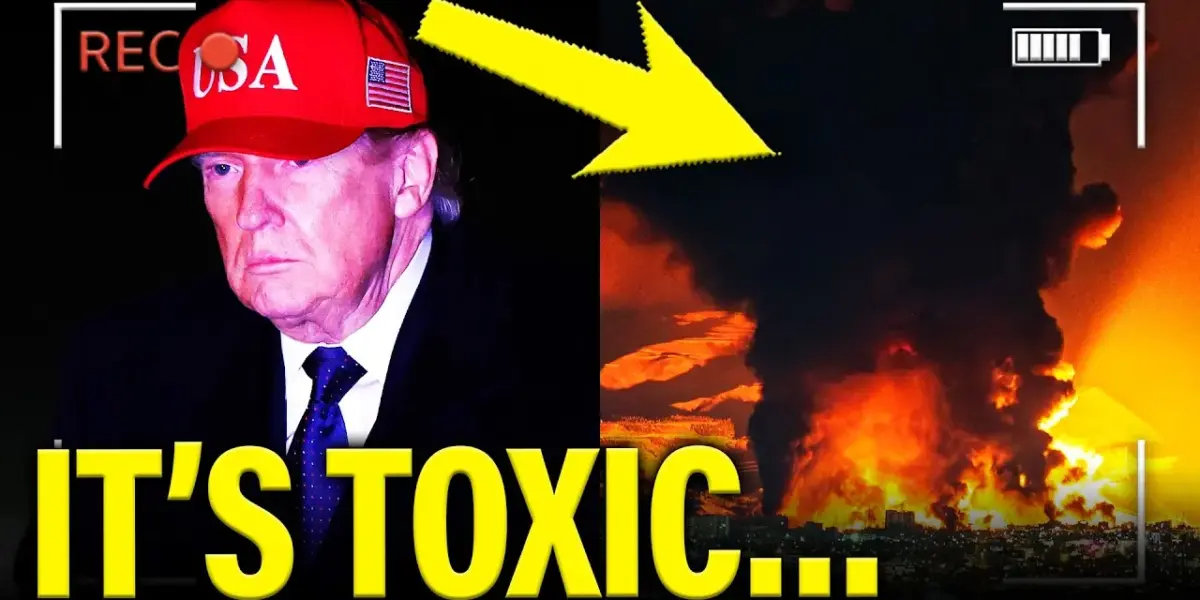
The transcript highlights a chilling reality: war’s environmental footprint directly translates into a public health crisis. Dr. Id Brown and Dr. Sonia Sloan, identifying themselves as “disruptors in healthcare,” emphasize that while the world sees geopolitics, they see the tangible health repercussions. The burning of oil facilities and refineries, a grim byproduct of the conflict, has led to widespread fires and the creation of a toxic atmosphere. The phenomenon of “black rain,” where smoke particles from burning petroleum mix with water vapor and fall back to earth, is a stark indicator of this environmental assault.
“Black rain carries hydrocarbons, sulfur compounds, heavy metals, and particulate matter. So medically, right, these exposures, they lead to acute respiratory distress, asthma exacerbations, eye and skin irritation, headaches, neurologic symptoms, and over time, long-term lung cancer risk.”
These are not abstract threats. The transcript draws a parallel to the 1991 Gulf War, when the burning oil wells in Kuwait resulted in a significant increase in respiratory illnesses across the region. The current situation is exacerbated by higher population densities in urban areas like Tehran, meaning millions of civilians are now exposed to these hazardous pollutants. The long-term implications are dire, with the potential for widespread chronic lung disease, heart attacks, strokes, and increased mortality, particularly among vulnerable populations such as children, the elderly, and individuals with pre-existing respiratory conditions.
Collapsing Infrastructure: Healthcare Under Siege
Beyond the environmental hazards, the direct targeting and damage to healthcare infrastructure represent a profound war crime and a catastrophic blow to public health. The transcript recounts harrowing footage of strikes on hospitals, even as first responders and journalists were on the scene, leading to casualties within the medical facilities themselves.
Hospitals, by international humanitarian law, are considered neutral ground and are protected entities. When these sanctuaries are violated, the consequences are far-reaching. They cease to be places of healing and become sites of further destruction and loss. The transcript underscores that these facilities are not just for treating war-specific trauma; they are essential for managing everyday medical needs, including prenatal care, dialysis, pediatric infections, and cardiac emergencies. The disruption or destruction of these services means that patients with critical, non-war-related conditions lose access to care, leading to a surge in mortality rates that is a direct consequence of the war’s impact on healthcare systems.
The Human Cost: Beyond Physical Trauma
The physical injuries inflicted by modern warfare are complex and devastating. Blast injuries, for instance, can occur in four distinct ways: primary (pressure waves), secondary (shrapnel), tertiary (being thrown), and quaternary (burns and toxic exposures). Medical professionals in conflict zones are often thrust into managing mass casualty events with limited resources, straining surgical teams, blood supplies, and critical care equipment. The damage to hospitals and the loss of trained medical personnel—doctors and nurses who are themselves victims of attacks—further cripple the capacity to respond.
However, the health crisis extends into the realm of mental well-being. Civilians living under constant bombardment experience prolonged chronic stress, sleep disruption, anxiety, and trauma. The psychological toll can lead to sky-high rates of Post-Traumatic Stress Disorder (PTSD), depression, and substance abuse. These mental health consequences can persist for years, even decades, particularly for children exposed to such horrors, representing a generational burden.
Why This Matters
The analysis presented by Dr. Brown and Dr. Sloan is crucial because it shifts the public’s understanding of war from a purely geopolitical or military event to a comprehensive public health emergency. The “disruptors in healthcare” argue that the long-term health consequences—environmental contamination, chronic diseases, and pervasive mental health issues—are often underreported and underestimated. By focusing on these “hidden costs,” they aim to empower individuals with a fuller picture of war’s impact, urging them to recognize that the health ramifications extend far beyond the immediate cessation of hostilities.
Implications, Trends, and Future Outlook
The current conflict serves as a stark reminder of evolving warfare tactics and their amplified health consequences. The increasing sophistication of weaponry, coupled with the deliberate targeting of critical infrastructure, including healthcare facilities, suggests a worsening trend. The interconnectedness of global health means that conflicts in one region can have ripple effects worldwide, not only through the displacement of populations but also through the spread of disease and the strain on international humanitarian aid organizations.
The future outlook points to a growing need for a more robust international framework for protecting healthcare infrastructure and civilian populations during conflicts. Furthermore, there is an urgent necessity to integrate comprehensive public health assessments into the analysis of war, moving beyond immediate casualty counts to encompass the long-term environmental and psychological tolls. The transcript’s call to action—to “stay empowered, stay disruptive, and remember that your voice does matter”—highlights the role of informed advocacy in demanding accountability and advocating for policies that prioritize human health amidst global instability.
Historical Context
History is replete with examples of war’s devastating health impacts. From the widespread disease and malnutrition following World War I, exacerbated by blockades and collapsed infrastructure, to the long-term health effects of Agent Orange exposure for soldiers and civilians in Vietnam, the link between conflict and chronic illness is well-established. The aforementioned burning of oil fields in the Gulf War is a more recent, yet potent, illustration of how environmental damage from war directly impacts public health. These historical precedents underscore the cyclical nature of such crises and the enduring need to address the health dimension of warfare proactively.
In conclusion, the conflict involving Iran serves as a critical case study, illustrating that war is not merely a matter of military might or political strategy. It is a profound public health emergency, one that inflicts deep and lasting wounds on individuals, communities, and the environment. As Dr. Brown and Dr. Sloan rightly emphasize, understanding and addressing these multifaceted health consequences is essential for comprehending the true cost of war, a cost that often continues to be paid long after the bombs have stopped falling.
Source: Trump HEALTH CRISIS in OVERDRIVE from WAR (YouTube)

Related Articles


New COVID Variant Fuels Health Concerns Amid Allergy Season
A new, more contagious COVID-19 variant from the Omicron family is spreading across the U.S., detected in wastewater and potentially evading vaccines. The timing complicates symptom identification as allergy season begins, with experts advising symptom duration and accompanying fever as key differentiators.


Vaccine Hesitancy: A Doctor’s Warning on Health Risks
A doctor warns that jokes about science and vaccines can have dangerous real-world health consequences. The rise of misinformation is linked to outbreaks of preventable diseases like measles and the rejection of essential newborn care.


Ex-CDC Official Slams ‘Hijacked’ Agency, Demands Science-Driven Leader
A former CDC official has described the agency as "hijacked," criticizing political interference and a lack of transparency. He calls for a new leader with deep public health experience who will prioritize science. The agency's future hinges on restoring trust and scientific integrity.