Warren: Trump’s Iran War Lacks Plan, Fuels Debt
Senator Elizabeth Warren expresses deep concern over the Trump administration's Iran strategy, citing a lack of clear rationale and a dangerous precedent for unchecked executive power. She warns of the immense financial costs and the burden on future generations.

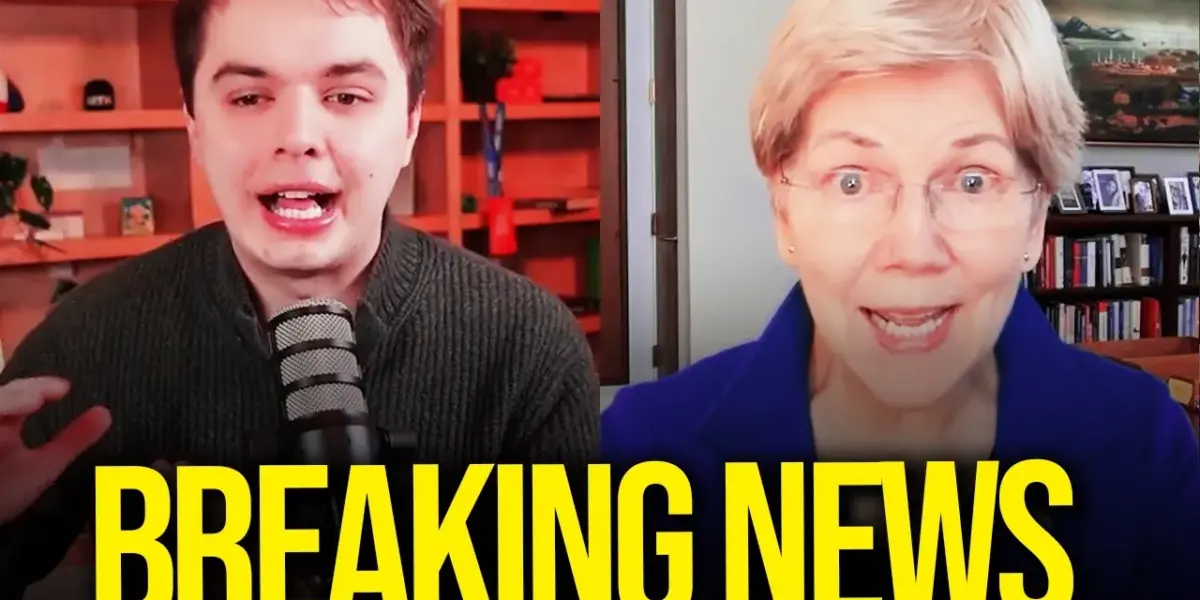
Warren Sounds Alarm on Trump’s Iran Strategy, War Powers, and Economic Fallout
Senator Elizabeth Warren has expressed grave concerns regarding the Trump administration’s actions and justifications for military engagement with Iran. Following a classified briefing, Warren emerged more worried than she was before, citing contradictory and shifting rationales for the attack. This lack of a clear, consistent explanation, she argues, directly undermines any coherent plan for de-escalation or withdrawal, raising the specter of an open-ended conflict with devastating financial consequences.
A Confusing Rationale, A Dangerous Precedent
“I really had a question about so what is the rationale? What justification is the Trump administration giving for this attack on Iran? And the answers are just all over the map and they contradict each other. They head in opposite directions,” Senator Warren stated. This ambiguity is particularly troubling to Warren, as it leaves critical questions unanswered: How does the administration plan to end the conflict? What constitutes victory? The possibility of a prolonged, indefinite war, or conversely, a fleeting engagement, remains unclear, contributing to significant unease.
The senator drew parallels to past U.S. interventions in the Middle East, noting that attempts at regime change have historically failed. While removing a leader may be the easier part, establishing stable institutions to protect the populace is the true challenge. The Trump administration, according to Warren, appears to lack any such plan, with justifications for the attack fluctuating daily – from imminent threats and regime change to ICBMs and nuclear weapons. This inconsistency underscores the need for Congressional oversight.
The War Powers Act: Congress’s Emergency Brake
Warren explained the significance of the War Powers Resolution, likening it to an “emergency brake in a car.” Ideally, the president would seek Congressional authorization for military action through a declaration of war or an Authorization for Use of Military Force (AUMF). However, when a president engages in hostilities without such approval, the War Powers Resolution provides Congress an opportunity to halt the action. The success of this measure, Warren emphasized, hinges on Republican support, which she anticipates will be lacking. This, she warned, will place Republicans on record supporting “all of Trump’s most rogue policies” as the midterm elections approach.
Economic Devastation: A Billion-Dollar-a-Day War
The financial implications of such a conflict are staggering. Warren cited estimates suggesting the attack on Iran could be costing the U.S. “a billion dollars a day.” This expenditure, she argued, is occurring in a nation that claims insufficient funds for essential domestic needs like healthcare, affordable education, student loan debt relief, universal childcare, and housing infrastructure. “But there is enough money to burn through as much as a billion dollars a day to attack Iraq for reasons that nobody can even describe,” she lamented.
This massive spending, largely financed through debt, places a significant burden on future generations. Warren highlighted that beyond the immediate lack of investment in critical social programs, this accumulating debt could lead to the deterioration of existing infrastructure, such as roads and water systems. She characterized the current Republican fiscal approach as a “wild spending spree” that prioritizes military expenditure and tax cuts for the wealthy, while neglecting the needs of the broader population.
Echoes of Bush, A Return to Neoconservatism?
Warren drew a parallel between Trump’s approach and the policies of the George W. Bush administration, albeit with “more narcissism.” She noted the familiar pattern of tax cuts for the rich, reductions in healthcare for the poor, and military intervention in the Middle East. However, she distinguished Trump’s current strategy by its lack of a coherent plan, a departure from even the Bush era’s objectives.
Furthermore, she observed a shift from an initial “America First” isolationist stance to a resurgence of neoconservative foreign policy. This reversion, she suggested, involves a willingness to engage in “endless wars” and appears to be influenced by external actors, such as Israel, with U.S. decisions on war being potentially “outsourced.” This lack of guiding principles and blind adherence to Trump, she contended, is detrimental to the nation.
The Midterm Reckoning and an Affirmative Democratic Vision
Warren stressed that the upcoming midterm elections present an opportunity for voters to hold Republicans accountable for their support of Trump’s policies. By forcing votes on these issues, Republicans are being put on the record, making it harder for them to evade responsibility when facing the electorate. The administration’s actions, seen as increasingly desperate and authoritarian ahead of the midterms, are viewed as attempts to suppress voting and consolidate power.
Addressing the question of how the Democratic Party should define itself beyond opposition to Trump, Warren advocated for an affirmative economic agenda. This agenda, she explained, should focus on investing in working people and creating opportunities, rather than prioritizing the interests of billionaires. It involves the courage to confront and tax the wealthy, and to regulate corporations that exploit consumers. This would foster a “muscular democracy” that genuinely serves families.
She pointed to examples of emerging Democratic leaders who embody this approach, citing James Talarico, Ritchie Torres, Abigail Spanberger, and Mikey Cheru. These individuals, by focusing on concrete issues like universal childcare and utility cost freezes, demonstrate a commitment to making government work for ordinary citizens, not just the affluent. This, Warren concluded, is the direction the Democratic Party should embrace.
Why This Matters
Senator Warren’s remarks highlight critical issues surrounding executive overreach in foreign policy, the constitutional role of Congress in matters of war, and the profound economic consequences of military engagement. The lack of transparency and shifting justifications for military action against Iran raise serious questions about the long-term strategy and potential for unintended escalation. The financial burden of perpetual conflict, especially when juxtaposed with unmet domestic needs, underscores a fundamental debate about national priorities and fiscal responsibility. Furthermore, the analysis provides a stark reminder of the cyclical nature of foreign policy decisions and the importance of holding elected officials accountable, particularly in the lead-up to crucial elections.
Implications, Trends, and Future Outlook
The current situation underscores a persistent tension between the executive and legislative branches regarding war-making powers. The trend of presidents initiating military actions with limited Congressional input, often citing broad interpretations of existing authorities, continues to be a point of contention. The financial cost of prolonged military engagements remains a significant, often underestimated, factor, impacting domestic spending priorities and contributing to national debt. As Warren suggests, future elections may serve as a referendum on these foreign policy decisions and their economic ramifications. The Democratic Party’s effort to articulate a positive, issue-based platform beyond opposition to Trump could shape its electoral strategy and its appeal to a broader range of voters concerned with economic fairness and government accountability.
Historical Context and Background
The War Powers Resolution of 1973 was enacted by Congress over President Nixon’s veto, intended to curb the president’s ability to commit U.S. armed forces to armed conflict without the consent of Congress. It requires the president to notify Congress within 48 hours of committing armed forces to military action and limits military commitment to 60 days (with a 30-day extension possible) without Congressional authorization. Despite its intent, its effectiveness has been debated, with presidents often finding ways to operate within its perceived ambiguities or bypass its requirements. The historical pattern of U.S. intervention in the Middle East, particularly following the 9/11 attacks and the subsequent wars in Afghanistan and Iraq, provides a backdrop against which current debates about military action and its costs—both human and financial—are framed. The shift from a post-9/11 focus on counter-terrorism to broader geopolitical engagements, and the recurring debates about the efficacy and justification of such interventions, are crucial elements in understanding the current discussions.
Source: "REALLY WORRIED" Senator Warren Exposes TRUMP WAR (YouTube)

Related Articles


US Air Power Obliterates Iran: Tehran Burns in Unprecedented Assault
The United States has launched a massive air campaign against Iran, devastating Tehran and crippling its military. With air superiority declared and key assets destroyed, the conflict signals a dramatic escalation with potential NATO involvement.

Targeting Iran’s Elite: A Risky Game of Leadership Decapitation
The US and Israel are reportedly targeting Iran's leadership cadre, a strategy that could destabilize the region. This analysis examines the risks, historical context, and implications of such 'decapitation' efforts, questioning their efficacy against a deeply entrenched system.
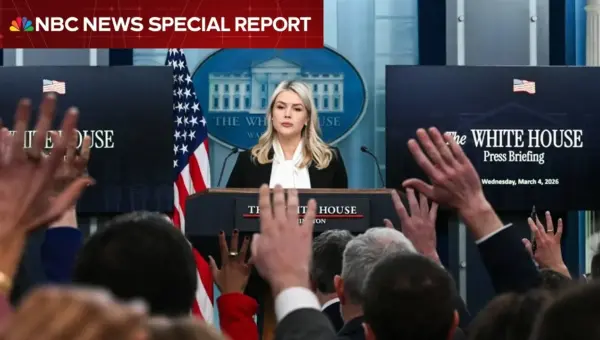
White House Briefs on ‘Operation Epic Fury,’ Iran Strikes
The White House provided an update on "Operation Epic Fury" following strikes against Iran, detailing evacuation efforts for U.S. citizens and the strategic military objectives. Press Secretary Karoline Leavitt highlighted intelligence that informed the timing of the strikes and the administration's commitment to regional security.