Warren Sounds Alarm: Congress Must Curb Presidential War Powers
Senator Elizabeth Warren criticizes the unchecked expansion of presidential war powers and calls for Congress to reclaim its oversight role. She links fiscal recklessness and debt accumulation to unilateral military actions and partisan policy choices, warning of electoral consequences.

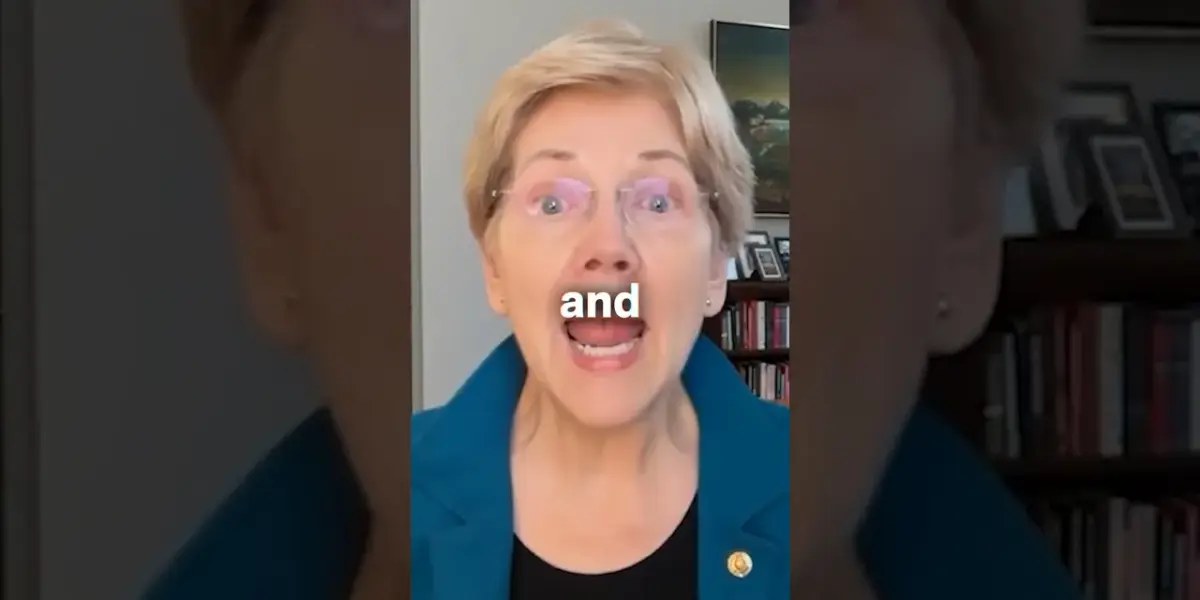
Warren Sounds Alarm: Congress Must Curb Presidential War Powers
Senator Elizabeth Warren has issued a stark warning regarding the unchecked expansion of presidential war-making powers, particularly in the context of Donald Trump’s actions. At the heart of her critique lies the War Powers Act, a legislative check designed to prevent unilateral presidential military engagement. Warren likens the Act to an “emergency break in a car,” an instrument that ideally should never need to be deployed but serves as a crucial safeguard against executive overreach. Her recent statements highlight a growing concern that this vital mechanism is being undermined, with potentially grave consequences for democratic accountability and fiscal responsibility.
The War Powers Act: A Necessary Check?
The War Powers Resolution of 1973, enacted over President Nixon’s veto, was a direct response to the Vietnam War and a perceived overreach of executive authority. It aims to ensure congressional oversight by requiring the President to notify Congress within 48 hours of committing armed forces to military action and restricting the duration of such commitments without congressional authorization. Warren’s invocation of this Act underscores her belief that any significant military action, such as a potential strike on Iran, should first necessitate a formal request for authorization from Congress, either through an Authorization for Use of Military Force (AUMF) or a formal declaration of war. The failure to seek such approval, as she points out, bypasses a fundamental tenet of American governance.
The Republican Dilemma and Electoral Accountability
Warren’s analysis pivots to the immediate political landscape, specifically the role of Republicans in supporting or opposing efforts to rein in presidential power. She notes that while Democrats are largely unified in their support for invoking the War Powers Act to halt potential military action, the crucial factor lies with Republican votes. The likelihood of Republicans voting against such a measure, in her view, is high. This stance, she argues, will place them on the record as endorsing what she terms “all of Trump’s most rogue policies.” This includes not only the initiation of military actions without congressional consent but also the imposition of tariffs and other economic policies that she contends have directly impacted consumer prices and bypassed legislative channels.
The implication for the upcoming midterm elections is significant. Warren suggests that by aligning themselves with Trump’s more controversial actions, Republicans risk alienating voters and facing electoral repercussions. The argument is that voters will hold them accountable for supporting policies that circumvent Congress and potentially lead to costly conflicts or economic instability.
Generational Debt and Fiscal Recklessness
Beyond the immediate concerns of war powers, Warren extends her critique to broader fiscal policies, particularly those she associates with Republican administrations. She laments the burden of national debt that her generation, and future ones, will inherit. This debt, she attributes not only to the costs of wars initiated without clear congressional mandates but also to what she describes as “reckless spending.” Specifically, she calls out tax cuts for the wealthy while simultaneously advocating for cuts to essential services like healthcare for the poor. This juxtaposition of policies, in her view, represents “awful policy” that exacerbates economic inequality and places an undue financial strain on the nation.
“What we built into the law is this war powers resolution to say, ‘Hey, listen. If the president’s out there waging war anyway, here’s Congress’s chance to jerk the emergency break and put a stop to it.”
Why This Matters
Senator Warren’s statements bring into sharp focus the ongoing tension between executive power and legislative oversight in the United States, particularly concerning foreign policy and military engagement. The War Powers Act, though intended as a check, has historically proven difficult to enforce effectively, often due to political considerations and the inherent advantages of the executive branch in matters of national security. Her call for congressional action against unilateral presidential war-making is not merely a partisan jab; it is a defense of constitutional principles designed to prevent the nation from being drawn into conflicts without broad public and legislative consensus. Furthermore, her linking of these foreign policy decisions to domestic fiscal health highlights a critical interconnectedness. Wars are costly, and the funding mechanisms, often involving borrowing or reallocating resources, have profound implications for the national debt and the well-being of citizens, especially those most vulnerable.
Implications, Trends, and Future Outlook
The trend Warren identifies is a persistent one: the executive branch gradually accumulating more power, particularly in foreign policy. This erosion of congressional authority is a long-standing concern that predates the Trump administration. However, the explicit challenge posed by Warren suggests a potential resurgence of congressional assertiveness. The outcome of such efforts, as she notes, hinges on bipartisan cooperation, which has been elusive in recent years. If Congress fails to reassert its authority, the precedent of unchecked executive war-making will continue to solidify, potentially leading to more frequent and less scrutinized military interventions.
The fiscal implications are equally concerning. The cycle of war and unfunded tax cuts has contributed significantly to the national debt. Warren’s critique of “tax cuts for the rich while cutting health care for the poor” points to a broader debate about economic priorities and social equity. The future outlook suggests that without a fundamental shift in either congressional resolve or public pressure, the nation may continue on a path of increasing debt, escalating military commitments, and widening economic disparities.
Historical Context and Background
The debate over war powers is as old as the republic itself. The Constitution grants Congress the power to declare war, while the President is commander-in-chief. This division of power was intended to ensure that the decision to engage in war was a deliberate and collective one. However, through a series of evolving precedents, particularly in the post-World War II era and subsequent conflicts like Korea and Vietnam, presidential power in initiating military action has grown. The War Powers Resolution was an attempt to claw back some of that authority. Its effectiveness, however, has been debated, with presidents often interpreting its provisions narrowly or finding ways to act without triggering its requirements. Warren’s current stance is part of a historical continuum of voices—from academics to lawmakers—who have sought to rebalance this power dynamic and ensure greater accountability in matters of war and peace, as well as fiscal prudence.
Source: Elizabeth Warren Says Congress Must Stop Trump #politics #fyp #new (YouTube)

Related Articles

McCaul: Trump Must Explain Iran War Justification
Texas Congressman Michael McCaul is calling on President Trump to clearly explain the justification for U.S. military involvement in Iran. McCaul emphasized the need for transparency regarding the "imminent threat" and the administration's strategic objectives beyond the initial military operation.

Epstein Files Subpoena Signals New Era for Congressional Oversight
A bipartisan coalition in the House Oversight Committee has successfully subpoenaed Florida Attorney General Pam Bondi as part of the ongoing Jeffrey Epstein investigation. This move signals a significant push for transparency and accountability, potentially setting new precedents for congressional inquiries into powerful figures.

Warren: Trump’s Iran War Lacks Plan, Fuels Debt
Senator Elizabeth Warren expresses deep concern over the Trump administration's Iran strategy, citing a lack of clear rationale and a dangerous precedent for unchecked executive power. She warns of the immense financial costs and the burden on future generations.