War Threatens Iran’s Economy: Prices Soar, Shortages Loom
Escalating Middle East conflict is poised to drastically reshape Iran's economy, with experts warning of soaring prices and severe shortages. Scholar Javad Sali Isfahani discusses the impact of sanctions, blockades, and the potential for widespread public unhappiness.

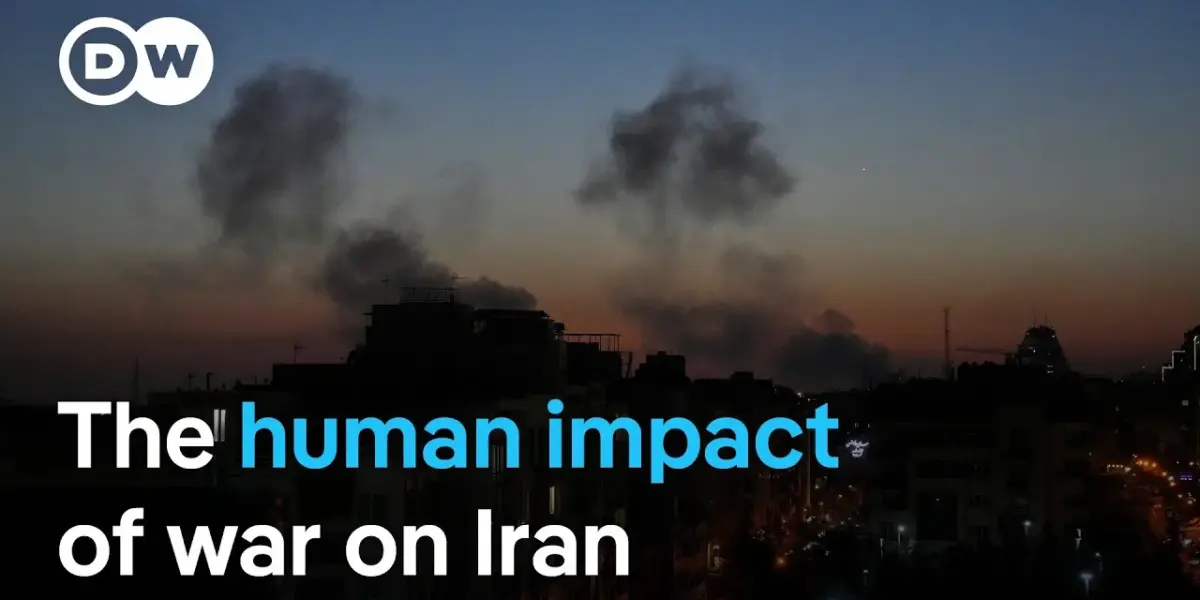
Iran Faces Economic Upheaval Amidst Escalating Middle East Conflict
The ongoing conflict in the Middle East is casting a long shadow over Iran’s economy, threatening to reshape its financial landscape in ways that could render it unrecognizable. As aerial attacks target Iranian assets, experts warn of rapidly rising prices, severe shortages, and widespread public unhappiness, fundamentally altering the daily lives of ordinary Iranians.
A Pre-Existing Vulnerability: Sanctions and a Fragile Economy
Prior to the current hostilities, Iran’s economy was already under immense pressure due to stringent international sanctions imposed since 2011. These sanctions severely restricted oil exports and access to global markets, forcing the nation to rely on a complex, yet ultimately vulnerable, internal system. Despite efforts to diversify, Iran’s industrial and agricultural sectors remained dependent on imported components and goods, making them susceptible to external blockades.
Javad Sali Isfahani, a leading scholar on the economics of Iran and the Middle East, explained the precarious situation: “Before the war started, it was an economy under sanctions… Iran finds itself in a very vulnerable position to what is now effectively a blockade of Iran’s economy.” He noted that even trade with key partners like China, which had previously served as a vital conduit for goods, is now likely disrupted by the escalating tensions in the Persian Gulf.
From Sanctions to Blockade: The Immediate Impact
The transition from sanctions to a de facto blockade signifies a critical escalation with immediate economic consequences. Isfahani highlighted the shift: “So we’ve moved from sanctions a couple of weeks ago now to a factor of blockade. So even ships can’t come and go.” This disruption to maritime trade routes is expected to cut off essential supplies, leading to a cascade of shortages in the coming weeks and months.
The primary manifestation of these shortages, according to Isfahani, will be a sharp increase in prices. “Iranians are going to find prices rising very fast and a lot of unhappiness,” he predicted. This economic distress could have profound implications for social stability and public sentiment within the country.
Neighboring Countries and China: Potential Lifelines and Uncertainties
While the blockade poses a significant threat, Iran’s extensive borders with 15 countries offer potential avenues for trade and supply. Neighboring nations like Pakistan and Iraq, along with Turkmenistan, could play a crucial role in circumventing restrictions. Pakistan and India, as agricultural exporters, are particularly important for securing food supplies.
China, Iran’s largest trading partner, presents a more complex scenario. While a railroad connection exists, it cannot fully replace the cost-effectiveness of maritime shipping. Isfahani pointed out China’s strategic interest in maintaining access to oil supplies and its potential reluctance to become overly entangled: “China would be should be very worried to be facing so much of its potential oil supplies under the control of the US… But I have not seen much evidence of that.”
The Human Dimension: Misconceptions About Resilience
Isfahani expressed concern that external observers often misunderstand Iran’s resilience and the human cost of conflict. He argued that bombing Iranian assets is a “terrible mistake,” emphasizing that while many Iranians have grievances with their government, they are unlikely to welcome foreign military intervention that devastates their country.
He stressed the importance of the amenities ordinary Iranians rely on, such as electricity, clean water, and natural gas. “When these services are removed, the question is where who will the ordinary Iranians blame? Will they blame Iranian government or will they look at the rubble that is being created and blame Israel and United States?” Isfahani suggested that the immediate struggle for basic necessities could overshadow political demands, potentially leading to unforeseen social dynamics.
“Bombing and hitting Iranian assets is a terrible mistake. Iranians are going to find prices rising very fast and a lot of unhappiness. Iranians run the risk of serious shortages.”
Economic Tools in Wartime: Sanctions’ Diminished Role
In the context of active military engagement, Isfahani believes that traditional economic tools like sanctions become less relevant. “Sanctions don’t play a big role because a country that starts attacking its neighbors… is already giving up on the regional economy, global economy.” He noted that Iran’s previous efforts to navigate sanctions through relationships with countries like the UAE are now obsolete.
The current focus for the Iranian regime, he suggested, is on survival. “Their outlook is very myopic. They’re not thinking about the long term… They’re thinking about surviving the next few weeks.” This survivalist mindset, driven by the ferocity of attacks, could lead to reckless actions that antagonize neighbors Iran might need in the future.
An Ideal Post-War Recovery Scenario
Looking ahead, Isfahani outlined his ideal post-war economic recovery scenario for Iran. First and foremost, he emphasized the importance of maintaining Iran’s territorial integrity, fearing that defeat could lead to internal divisions and secessionist movements.
Secondly, he advocated for Iranians to make their own decisions regarding reforms. “Everything in Iranian history that’s gone sour is when there was a debate inside Iran whether what happened was an order from outside or was something that Iranians had agreed to.” He cited the recent success of women pushing back against mandatory hijab as an example of an indigenous reform that has gained traction organically, contrasting it with external impositions.
Isfahani concluded by urging the international community, particularly the United States, to recognize that sustainable change comes from within. “Nations build themselves. Nobody else built nations for other people.” He expressed hope that external powers would avoid actions that could turn Iran into a failed state, instead supporting conditions that allow for internal, self-determined reforms.
Source: How war could reshape Iran's economy | DW News (YouTube)

Related Articles


US Demands Iran’s Surrender Amid Escalating War
President Trump has escalated demands for Iran's unconditional surrender amidst a widening conflict, with new reports suggesting consideration of U.S. ground troops. Meanwhile, escalating airstrikes, including a potential U.S.-linked attack on an Iranian school, and economic turmoil grip global markets.


Trump’s Economy Crumbles Under War and Tariffs
New job numbers reveal a devastating loss of 100,000 jobs in February, a sharp contrast to economist expectations and a blow to the administration's economic narrative. Escalating geopolitical tensions and tariffs are cited as major contributors to this downturn, impacting key sectors and financial markets.


Trump’s Iran Policy Under Fire: Vietor Questions Regime Change Strategy
Tommy Vietor of Crooked Media warns that the Trump administration may be underestimating the challenges of confronting Iran. He questions the feasibility of regime change operations against an "ideologically driven" regime and expresses concern over the lack of a clear strategy for what comes next.