War Intensifies, Markets Plummet as Oil Hits $107
Global markets are plunging and oil prices have surged to $107 per barrel as a regional conflict intensifies. Escalating tensions and damage to energy infrastructure threaten supply chains, potentially leading to prolonged inflation and economic slowdown. Investors face a period of heightened uncertainty.

Global Economy Braces for Impact as Conflict Escalates
The global economy faces a worsening outlook as a regional conflict intensifies, sending oil prices soaring and markets tumbling. Despite earlier hopes for a swift resolution, statements from former President Donald Trump indicate a significant escalation over the next two to three weeks. This development has triggered a sharp sell-off in financial markets, with Asian markets falling over 3% overnight and further declines expected in Europe and the U.S.
Oil Prices Surge, Fueling Inflation Fears
Oil prices have climbed back to around $107 per barrel. This marks a more than 50% increase since the start of 2026 when prices were at $60 per barrel. Unlike previous price spikes, such as the one following Russia’s invasion of Ukraine, which were short-lived, current high oil prices have persisted for weeks. This sustained elevated cost of oil has a broad negative impact, affecting not just transportation fuels but also raw materials for many industries. For example, gas prices in Europe have doubled since the conflict began.
Supply Chain Disruptions Threaten Long-Term Stability
The conflict’s reach extends beyond direct combat. Retaliatory attacks have significantly impacted energy infrastructure, with 17% of Qatar’s liquefied natural gas (LNG) capacity taken offline. This damage is expected to affect supply for the next five years, keeping energy prices high for an extended period. Natural gas is a key source for electricity generation in Europe. Therefore, prolonged high energy prices will squeeze company profits and reduce the purchasing power of consumers, as their money buys less due to rising inflation.
The Vicious Cycle of Inflation and Interest Rates
Central banks typically combat inflation by raising interest rates. Higher interest rates make borrowing more expensive for individuals and businesses. This discourages spending and investment, leading to slower economic growth. The current situation presents a complex challenge: if inflation remains high and central banks are forced to lower interest rates to stimulate a slowing economy, it could further fuel inflation. Similarly, increasing the money supply, as seen during the COVID-19 pandemic, could also exacerbate inflationary pressures.
This creates a difficult economic scenario known as stagflation, where high inflation exists alongside low or no economic growth. Breaking out of stagflation is challenging because the primary tool used to manage the economy, interest rates, becomes less effective.
Geopolitical Tensions Drive Market Uncertainty
The escalating conflict appears driven by deep geopolitical disagreements. The current Iranian leadership is reportedly fighting for its survival, facing pressure from the U.S. and its allies who seek a change in Iran’s governance. This makes a peaceful resolution difficult, as the current leaders are unlikely to agree to terms that could lead to their removal or prosecution. Consequently, a significant military push to force Iran’s surrender is anticipated.
Potential Repercussions for Global Markets
This intensified military action could lead to further disruptions in oil and gas supplies, as well as critical raw materials like aluminum, helium, and ammonium nitrate. The Strait of Hormuz, a vital shipping lane, could see increased disruptions. The markets, which had briefly rallied on hopes of a quick end to the conflict, are now confronting the harsh reality of an escalating war. The current market prices may not fully reflect the extent of the damage being inflicted on the global economy.
What Investors Should Know
The intensifying conflict and rising oil prices signal a period of heightened economic uncertainty. Investors should be aware that the damage to supply chains and the potential for stagflation could lead to prolonged market volatility. The longer the conflict continues, the greater the risk of a global recession, potentially impacting economic growth well into 2026. The situation underscores the interconnectedness of global security and economic stability.
Key Takeaways:
- Conflict intensification is expected over the next 2-3 weeks.
- Oil prices have risen to $107 per barrel, with sustained high levels impacting global economies.
- Damage to energy infrastructure, like Qatar’s LNG capacity, will have long-term price effects.
- The global economy faces risks of rising inflation and slowing growth, potentially leading to stagflation.
- Geopolitical factors are driving the conflict, making a quick resolution unlikely.
Source: This is Very Bad (YouTube)

Related Articles

US Strikes Iran: Escalation Fuels 5th Week of Conflict
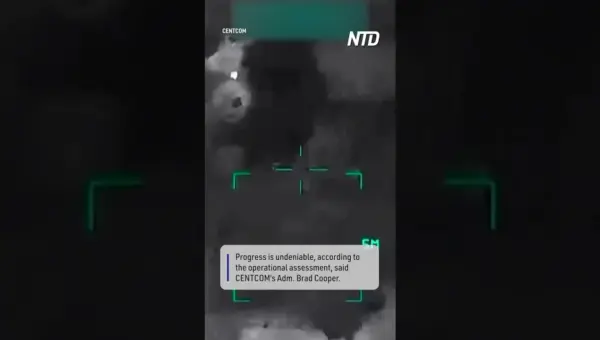
The U.S. Central Command released video footage of airstrikes targeting Iran, marking the fifth week of conflict. This action underscores the ongoing military engagement and highlights the complex, long-standing tensions between the two nations. The release of combat footage serves strategic communication purposes in modern warfare.
US Urges Allies to Secure Oil Routes, Rethinks NATO Role
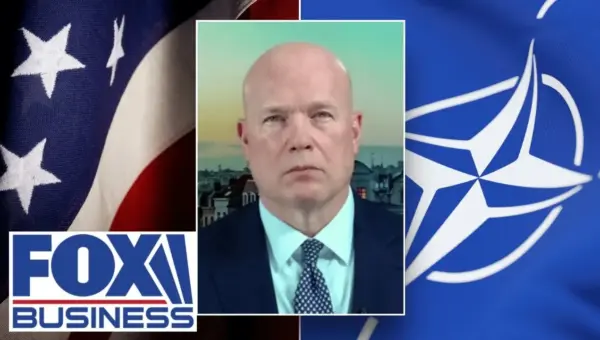
The U.S. is shifting responsibility for securing the Strait of Hormuz oil passage to allied nations heavily reliant on the trade. Ambassador to NATO Matthew Whitaker emphasized that while the U.S. has achieved energy independence, allies must now step up. The future of the NATO alliance is also under review, with the U.S. seeking a more balanced partnership.
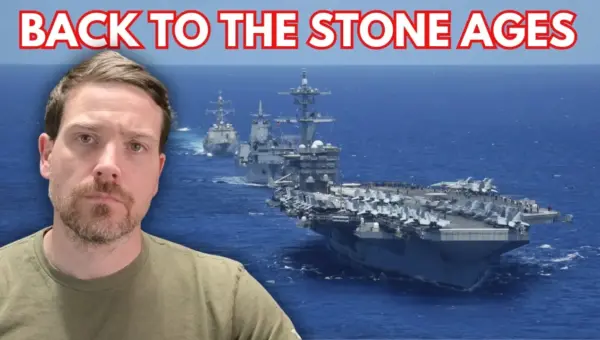
US Escalates Middle East Conflict Toward Total War
The U.S. is increasingly targeting civilian infrastructure in Iran, a move that signals a dangerous shift towards 'total war.' This approach blurs the lines between military and civilian targets, echoing historical conflicts with devastating consequences. The long-term implications for regional stability and ethical warfare are significant.