War Focus Lags as Trump Eyes Ballrooms, Profit, Critics Say
Critics are questioning the priorities of the Trump administration, suggesting a focus on personal enrichment and projects like a ballroom over critical foreign policy decisions. Reports allege attempts at profiting from the conflict, while Iran appears to have emerged stronger. The war's costs extend to depleted military supplies and potential cuts to healthcare.

Hegseth Accused of War Profiteering Amidst Conflict
Reports suggest that U.S. Secretary of Defense Pete Hegseth’s broker inquired about a multi-million dollar investment in defense companies just weeks before the U.S. launched military action against Iran. The Financial Times reported that Hegseth’s broker contacted BlackRock about investing in the asset manager’s defense industrial exchange-traded fund. This inquiry, made on behalf of a high-profile potential client, was reportedly flagged internally at BlackRock due to its timing, shortly before U.S. military action. While the Pentagon has called the story entirely false and fabricated, the trade request was reportedly serious enough to alarm BlackRock officials. Experts note that attempted insider trading is a crime, raising questions about the motivations behind the war’s initiation.
Critics Slam ‘War of Choice’ and Strategic Blunders
Senator Chris Murphy, a Democrat from Connecticut, has voiced strong criticism, describing the conflict as a “war of choice” that the U.S. “blundered into.” He argues that the war has unnecessarily made the implicit control of the Strait of Hormuz explicit, leading to a strategic dead end. Murphy highlighted the irony of allies, such as the British Royal Navy, being expected to clean up a mess created by the U.S. He suggested that the architects of the war saw it primarily as an opportunity for profit or political gain, rather than a necessary measure for national security. The senator emphasized that the scale of destruction and pain caused by the war is immense and could worsen, leading to more deaths, injuries, and economic hardship through energy and oil shortages.
Trump’s Priorities Questioned Amidst Crisis
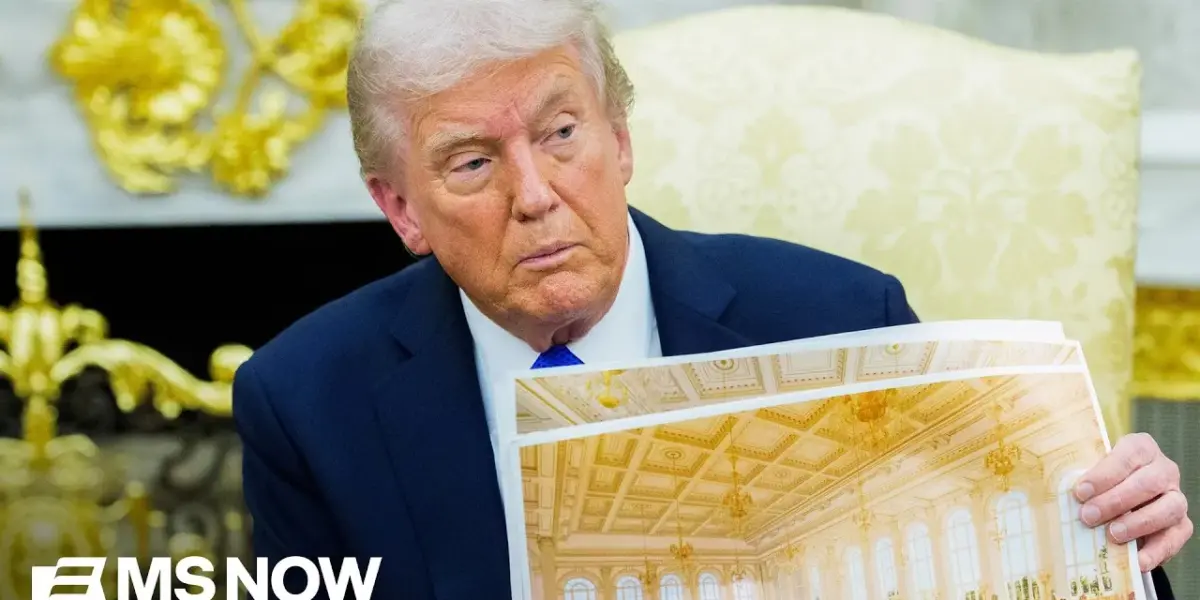
Critics, including Senator Murphy, have pointed to a perceived disconnect between the unfolding war and the White House’s priorities. While the nation faces a critical international conflict, President Trump has been described as being more focused on constructing a ballroom and engaging in “money-making schemes.” Murphy stated that the president and those around him seem to be spending most of their time working on the ballroom or trying to get rich from the war. He noted that this alleged corruption is not only unacceptable but also distracts the president and his team from consulting with experts who could help resolve the crises. The senator drew a parallel to the early days of the COVID-19 pandemic, where shifting White House messaging caused confusion and undermined public trust.
Iran Emerges Stronger from Conflict, Critics Assert
A significant concern raised is that Iran has emerged from the conflict significantly more powerful and influential in the Middle East than before the war began. Senator Murphy argued that if the war’s aim is now simply to end the conflict and leave Iran in control of the Strait of Hormuz, then the U.S. has inadvertently strengthened its adversary. He pointed out that Iran’s parliament is reportedly considering legislation to formalize a tolling system in the strait, a move that did not exist prior to the war. This outcome, where a U.S. military engagement results in a geopolitical strengthening of the targeted nation, is seen as a remarkable and undesirable failure of strategic objectives.
Missile Stockpiles Depleted, Healthcare Cuts Loom
The extensive use of expensive military hardware, such as Tomahawk cruise missiles and Patriot interceptors, has raised alarms about the depletion of U.S. defense stockpiles. The sheer volume of costly equipment expended on the conflict is reportedly substantial, directly benefiting defense contractors who will receive new contracts for replenishment. This has led to concerns within the national security infrastructure about America’s preparedness for future threats. Furthermore, reports indicate that the replenishment of these depleted missile and interceptor stocks may be funded by cuts to healthcare programs. This potential measure, aimed at making the war’s costs more palatable to some political factions, has drawn sharp criticism.
A Call for Resolution and Congressional Oversight
Senator Murphy expressed a clear preference for the war to end as soon as possible to prevent further loss of life and to extricate American service members from harm’s way. He suggested that the most straightforward path to achieving this might be for President Trump to unilaterally announce an end to the conflict. However, the ongoing mismanagement and perceived incompetence surrounding the war’s execution, including discussions of a ground invasion of Kark Island, have deepened concerns. The senator also emphasized the need for congressional oversight on matters of war, contrasting it with the president’s apparent focus on personal projects like the ballroom, which he believes also presents opportunities for corruption through donor influence.
Looking Ahead: The Cost of Conflict
As the nation awaits President Trump’s address, the long-term consequences of this conflict remain a significant concern. The economic impact, including rising gas and food prices, is expected to persist throughout the year. The strategic implications, particularly Iran’s strengthened regional position, will likely shape Middle Eastern dynamics for years to come. The debate over how to fund the war’s costly replenishment of military supplies, potentially at the expense of domestic healthcare, highlights the difficult choices ahead. The focus now shifts to whether the administration can effectively manage the fallout of this war and address the pressing needs of both national security and its citizens.
Source: Trump too busy with ballroom and money-making schemes to focus on war, says Murphy (YouTube)

Related Articles


Foreign Hackers Target Trump’s Inner Circle
Reports suggest foreign governments, particularly Iran, have hacked data from individuals close to Donald Trump, including FBI Director Cash Patel. This highlights concerns about election interference and national security. The incidents raise questions about the security of sensitive information and the integrity of democratic processes.


Stocks Surge as Iran War Hopes Rise, But Oil Crisis Looms
Stocks rallied significantly on hopes of an end to the Iran conflict, but experts warn the oil market crisis is far from over. Despite the market's optimism, economists and business leaders are concerned that high oil prices could still trigger a recession and impact consumer costs for months to come.


Trump’s Allies Reject Mideast War Demands, Seek Distance
President Trump's allies are distancing themselves from a Middle East conflict, with Spain and Italy denying U.S. warplanes access. Trump is urging allies to act independently, while his administration's shifting war aims and contradictory policies fuel distrust.