War Fears Spark Bank Exodus, Fueling Crypto Interest
Global conflicts and threats against banks are driving a search for alternative assets, increasing interest in cryptocurrencies and self-custody solutions. Meanwhile, the proposed Clarity Act in the U.S. faces significant hurdles amidst geopolitical distractions and strong opposition from the traditional banking industry.

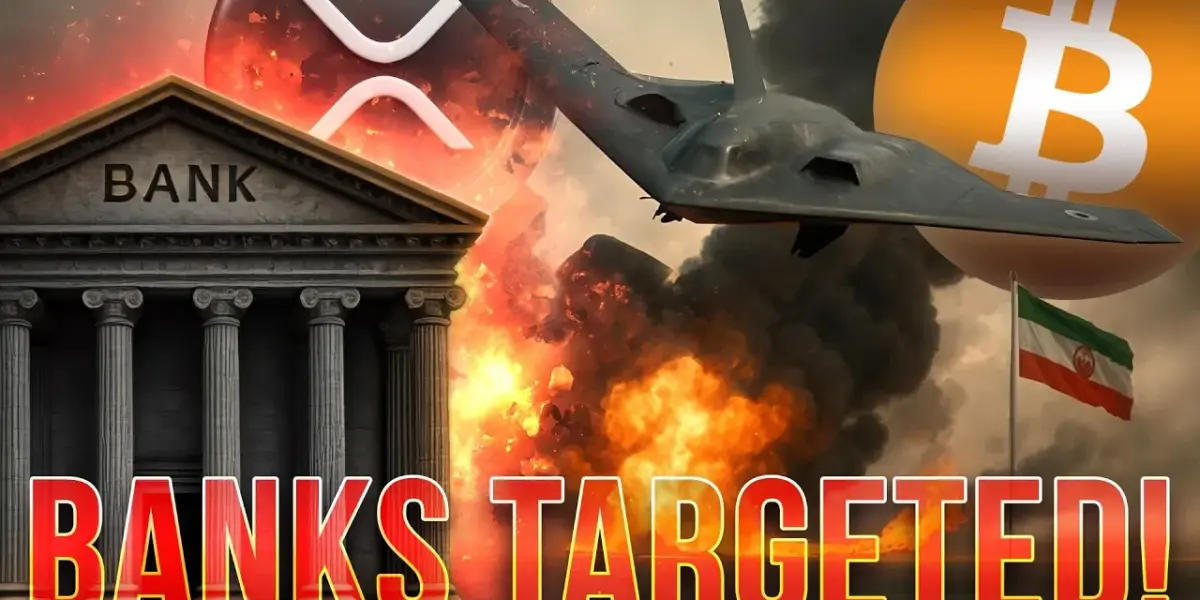
War Fears Spark Bank Exodus, Fueling Crypto Interest
Escalating global conflicts and threats against financial institutions are causing major banks to scale back operations, leading some to seek safer havens, including cryptocurrencies. This turmoil is also impacting discussions around crypto regulation in the United States, particularly the proposed Clarity Act.
Banks Under Fire Amidst Global Conflict
Recent events, including an alleged bombing of Iran’s oldest bank and threats against financial targets, have sent shockwaves through the banking sector. In response, major institutions like Citibank and HSBC have temporarily closed branches in affected regions, while firms like Goldman Sachs have moved employees to work from home. The Dubai International Financial Centre, a hub for hundreds of banks and financial firms, is also feeling the pressure.
These actions highlight the growing risks faced by traditional finance in volatile geopolitical situations. As economic and banking interests become targets, the stability of these systems is being questioned, prompting a search for alternative financial tools and safe havens.
Clarity Act Faces Regulatory Hurdles
Amidst this global instability, the progress of the Clarity Act, a key piece of proposed crypto legislation in the U.S., is being closely watched. Ron Hammond, a figure involved in crypto policy, suggests that while the market for the bill’s passage is currently around 60%, its actual probability of passing is closer to 25-30%. He notes that major world events, like the conflict in the Middle East, can easily derail legislative priorities in Washington D.C.
Hammond explains that Congress has limited time, and unpredictable events can push important legislation like the Clarity Act to the back burner. The current focus on international conflicts means that crypto policy might take a backseat, as lawmakers grapple with more immediate concerns. This delay could also give opponents of crypto more time to push for stricter regulations, such as increased Anti-Money Laundering (AML) and Know Your Customer (KYC) requirements, or even restrictions on self-custody wallets.
Self-Custody Gains Traction
The uncertainty surrounding traditional banking has also boosted interest in self-custody solutions. Companies like Tangum offer easy-to-use, credit-card-like hardware wallets that allow individuals to take full control of their digital assets. This approach is seen as a way to protect funds from the risks associated with centralized financial institutions.
Hammond points out that some lawmakers see these global events as a reason to support self-custody, viewing it as a way to promote financial resilience. The debate also touches on the role of stablecoins, with some arguing that increased capital flight towards the U.S. dollar, potentially through stablecoins, strengthens the dollar’s global position against competitors like China.
Banking Industry Pushes Back
The traditional banking industry, represented by groups like the American Bankers Association (ABA), is actively lobbying against certain aspects of crypto. Recent surveys presented by the ABA suggest that a majority of Americans are concerned about stablecoin issuers offering interest and rewards, and believe Congress should prevent this. This narrative, however, is questioned by crypto advocates who see it as a tactic to discourage competition.
The ABA is also reportedly pushing back on decentralized finance (DeFi), which could be a significant hurdle for the Clarity Act. The conflict between the banking industry’s lobbying efforts and the growing interest in crypto solutions creates a complex regulatory environment. Hammond notes that the banks are aggressively trying to create roadblocks for crypto legislation.
Agency Actions and Future Outlook
With legislative progress stalled, U.S. regulatory agencies are stepping in to provide guidance. The Office of the Comptroller of the Currency (OCC) has issued no-action letters, which can offer protections for companies involved in self-custody and digital asset services. This move is seen as a positive step by the pro-crypto camp, signaling a willingness to adapt to the evolving financial landscape.
However, the future of crypto regulation remains uncertain. The upcoming midterm elections could shift the balance of power in Congress, potentially impacting the direction of future legislation. Hammond emphasizes that while agencies can provide interim guidance, a new administration could easily reverse these decisions. The key to advancing the Clarity Act, he suggests, lies in securing dedicated floor time in the Senate, with potential markups expected before May.
The ongoing geopolitical tensions, coupled with the intense lobbying efforts from both the crypto and traditional finance sectors, create a dynamic and unpredictable environment for the future of digital assets and their regulation.
Source: War Hits Banks Triggering Crypto Escape🔥CLARITY Act Odds🚨Ron Hammond INTERVIEW (YouTube)

Related Articles
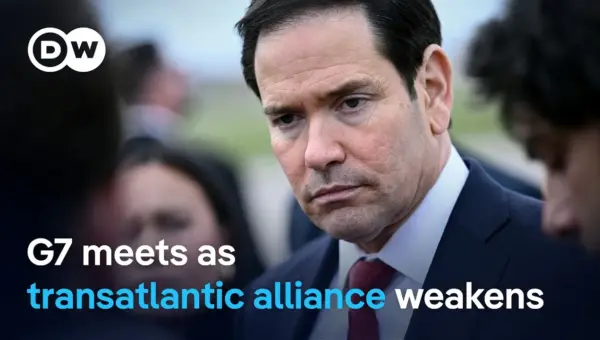
G7 Allies Clash Over Iran War Strategy, Urge Focus on Russia
G7 foreign ministers met in Paris, revealing deep divisions over the U.S. war with Iran. European allies urged the U.S. to pressure Russia, linking its actions to the conflict and fearing support for Ukraine will wane.


Iran Blocks China Ships, Exposing Beijing’s Weak Grip
Iran's recent decision to block Chinese ships at the Strait of Hormuz is exposing the limits of Beijing's influence in the Middle East. This action is causing delays and cancellations for Chinese manufacturers, turning a perceived geopolitical win into an economic strain.
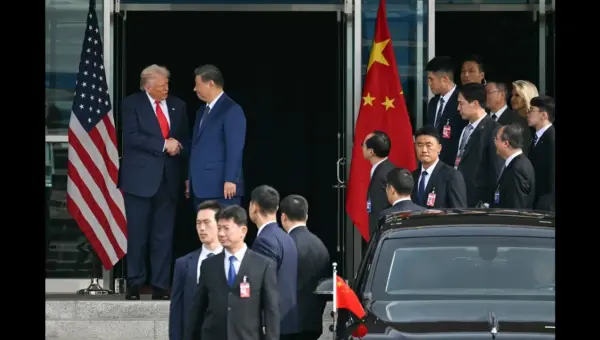
Trump’s “Walk Away” Tactic Signals Tougher Stance on China
Retired Air Force Brigadier General David Stillwell believes President Trump's strategy of being willing to walk away from negotiations puts pressure on China. This tactic, combined with US global actions and strengthened alliances, signals a more assertive American foreign policy.