Walmart’s $360 SuperBox: A Piracy Pandora’s Box?
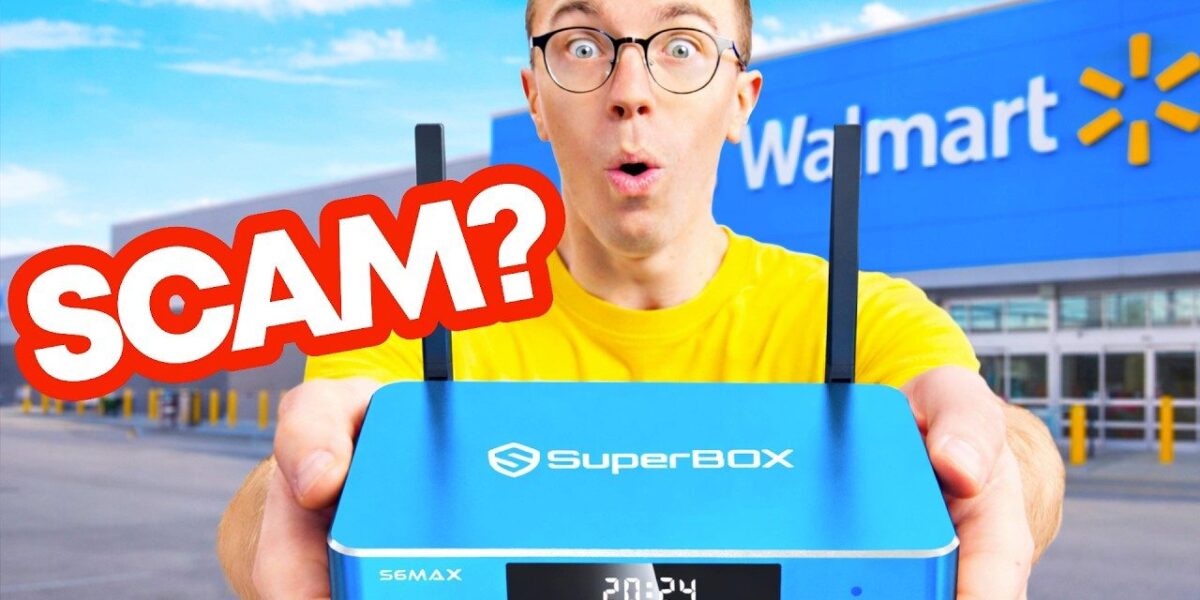
The $360 SuperBox, sold on Walmart.com, promises unlimited streaming content but raises serious questions about legality, security, and ethics. This device offers a tempting bypass to subscription fees but comes with significant risks, including potential botnet involvement and network compromise.

Walmart’s $360 SuperBox: A Piracy Pandora’s Box?
In a world saturated with streaming subscriptions, the allure of a device promising unlimited content for a one-time fee is undeniably powerful. Enter the SuperBox, a product that has surfaced on Walmart’s shelves, touting access to a vast library of live TV, movies, and shows for a hefty $360. But beneath the surface of this seemingly too-good-to-be-true offer lies a complex web of legality, ethics, and potential security risks that potential buyers should be acutely aware of.
The Allure of Unlimited Content
The core appeal of the SuperBox is simple: bypass the ever-increasing cost and fragmentation of legitimate streaming services. With an explosion of platforms like Netflix, Disney+, HBO Max, Paramount+, and Peacock, consumers are finding themselves juggling multiple subscriptions, often paying more than they did for traditional cable. The SuperBox promises to consolidate all of this, and more, into a single, subscription-free device.
The marketing materials for the SuperBox are slick, promising a “6K Ultra HD visual feast” and positioning it as a stable Android TV box that surpasses even Google’s offerings. The official website encourages potential resellers and distributors, hinting at a broad network of sales. However, a quick search for “SuperBox” often leads to discussions on piracy forums, raising immediate red flags about the device’s true nature.
Hardware and Packaging: A Familiar Disguise?
Upon receiving the SuperBox S7 Pro, priced at $360, the unboxing experience is somewhat peculiar. The device itself is described as thin and unassuming, with a design that observers liken to a generic Android TV box one might find on budget e-commerce sites for a fraction of the price. It features standard connectivity options including USB-C, HDMI out, LAN, optical audio, USB-A, and a micro SD card slot. It also includes an antenna, reminiscent of older routers, and boasts R&D in the USA, despite being manufactured in China.
Interestingly, the packaging included a second, sealed box containing a collection of accessories: a remote sleeve, cable ties, a CAT8 Ethernet cable, and even a small LED Bluetooth speaker. This inclusion of seemingly unrelated gadgets, alongside a generic installation manual, fuels speculation that the intention might be to obscure the device’s primary function, presenting it as a bundle of miscellaneous tech rather than a dedicated piracy tool.
The Question of Legality and Functionality
The SuperBox website directly addresses the legality question with a blunt “Yes, SuperBox is legal. Period.” However, this assertion is offered without any further explanation, leaving users to infer the legality of the hardware versus the software it enables.
The setup process involves connecting the box to the internet and then navigating to an app store. While the device might have access to the Google Play Store, the instructions often direct users to a separate “App Store” to download specific applications like “Blue TV” and “Blue VOD.” These applications, along with others like “Playback” and “Backup TV,” are where the alleged piracy occurs. The device explicitly states, “We are not in any way responsible for the content streamed or viewed by any user.” This disclaimer is a recurring theme, highlighting the user’s sole responsibility for how the device is utilized.
During testing, the SuperBox did not immediately present pirated content out of the box. However, after installing the recommended applications, a different picture emerged. While specific content was avoided for copyright reasons during the review, the device was observed to offer access to “hundreds of channels,” including sports networks like ESPN, local channels, and content from major streaming services like Netflix, Disney+, and HBO. It even claimed to offer access to pay-per-view events and content that is typically behind multiple subscription walls.
The Catch: More Than Just Piracy
While the promise of free content is enticing, the SuperBox comes with significant caveats that extend beyond simple copyright infringement. Security researchers have identified a growing threat from cheap, uncertified Android TV boxes being used as part of massive botnets. The “Bad Box 2.0” botnet, for instance, was found to comprise over 10 million compromised Android devices.
While it’s not definitively stated that this specific SuperBox is part of such a botnet, devices designed with piracy in mind have been found to engage in malicious activities. These can include:
- Monetizing Internet Bandwidth: Preloaded tools can allow the device to use your internet connection to route traffic for third parties, essentially turning your home network into a proxy.
- Identity Spoofing: The box can assume the identity of other devices on your Wi-Fi network, potentially compromising their security.
- Ad Fraud and Credential Stuffing: Traffic routed through your connection can be used for illicit activities, including fraudulent advertising and attempts to steal login credentials.
Furthermore, there’s no guarantee that the pirated content stream will remain stable. Streaming services are actively working to detect and block unauthorized access. Users could be left with an expensive Android TV box that struggles to even run legitimate apps like Netflix.
Who Should Care and Why?
The SuperBox is aimed at consumers frustrated by the rising costs and complexity of legitimate streaming services. It appeals to those who want a simple, all-encompassing solution for their entertainment needs, regardless of the legal or ethical implications. However, the risks associated with such devices are substantial:
- The Legally Conscious: Anyone concerned about copyright infringement and the potential legal ramifications should steer clear.
- The Security-Minded: Users who prioritize the security of their home network and personal data will find the potential risks unacceptable.
- The Value-Seekers: While the SuperBox promises long-term savings, the potential for it to become a brick, coupled with security threats, makes it a poor long-term investment compared to carefully curated legitimate subscriptions.
The Verdict: A Risky Proposition
The SuperBox, available on Walmart.com for $360, presents a tempting shortcut to a world of free entertainment. However, the device operates in a legal gray area at best and potentially crosses into outright illegality. Beyond the ethical concerns of piracy, the SuperBox carries significant security risks, including potential inclusion in botnets and the compromise of your home network. The promise of “everything forever” is fragile, subject to the whims of streaming services cracking down on unauthorized access.
Ultimately, the SuperBox is a prime example of a product that seems too good to be true, and in this case, it is. While the frustration with the current streaming landscape is understandable, the $360 SuperBox is not the answer. Users are advised to avoid this device and instead focus on managing their legitimate subscriptions or exploring more secure and legal alternatives.
Specs & Key Features
- Model: SuperBox S7 Pro
- Price: $360
- Promised Resolution: Up to 6K Ultra HD
- Connectivity: USB-C, HDMI Out, LAN, Optical Audio, USB-A, Micro SD Card Slot, Antenna
- Software: Android TV based, with proprietary “App Store” for downloading third-party applications.
- Content Access: Promises access to live TV channels, movies, and shows from various services via pre-installed or downloadable apps.
- Disclaimers: Explicitly states no responsibility for content streamed or viewed by the user.
- Included Accessories: Remote sleeve, cable ties, CAT8 Ethernet cable, LED Bluetooth speaker.
Availability and Pricing
The SuperBox S7 Pro is available for purchase on Walmart.com for $360. The product page does not explicitly mention piracy, but the device’s functionality and online discussions strongly suggest its intended use.
Source: Walmart is Selling a $360 PIRACY Box (YouTube)

Related Articles

Honor Magic V6: Thinnest Foldable With Massive Battery
Honor's new Magic V6 foldable pushes boundaries by integrating the largest battery in a foldable phone within its incredibly slim 8.75mm design. Featuring advanced silicon-carbon battery tech and IP68/IP69 ratings, it promises extended battery life and enhanced durability.


Galaxy Buds 4 Pro: Samsung’s New Earbuds Outshine AirPods
Samsung's new Galaxy Buds 4 Pro are a major contender in the premium wireless earbud market, rivaling and even surpassing the performance of Apple's AirPods Pro. With exceptional sound, advanced ANC, and a refined design, they are a top choice for Android users.


Nintendo 3DS: Still a Pocket Gem After 15 Years?
Fifteen years after its rocky launch, the Nintendo 3DS has proven its enduring value. With an unparalleled library of DS and 3DS games, unique hardware features, and a thriving homebrew scene, it remains a must-have for many gamers.