Vulcan Rocket Suffers Booster Burn-Through on Key Mission
ULA's new Vulcan rocket experienced a booster nozzle burn-through during its second flight, USSF-87. While the core stage compensated and the payload likely reached orbit, this recurring issue raises concerns for future launches and the retirement of the Atlas V.

Vulcan Rocket Suffers Booster Burn-Through on Key Mission
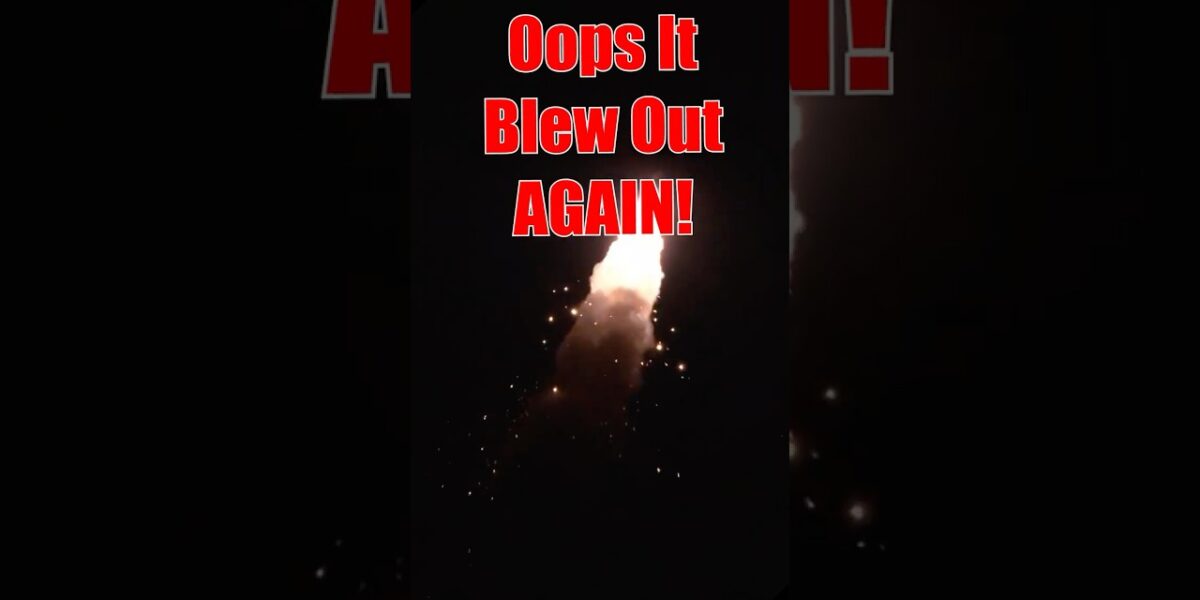
Early this morning, the United Launch Alliance (ULA) Vulcan Centaur rocket embarked on its second flight, carrying the crucial USSF-87 mission for the U.S. Space Force. This marked Vulcan’s inaugural national security launch, tasked with deploying two satellites for the Geostationary Space Situational Awareness Program (GEO-SSAP). However, the mission was not without its dramatic moments. During the ascent, a critical issue emerged with one of the four solid rocket boosters (SRBs) attached to the rocket’s core stage.
Booster Anomaly Detected Mid-Flight
The launch occurred under the cloak of darkness, and initial imagery made it challenging to ascertain the exact nature of the anomaly. However, detailed analysis of images captured by observers like Max Evans of NASA Spaceflight revealed a significant event: a burn-through of the nozzle on one of the GEM 63XL solid rocket motors. This catastrophic failure is believed to have occurred prior to reaching Max Q, the point of maximum aerodynamic pressure during ascent.
While the loss of a nozzle is a severe issue, the booster itself reportedly continued to operate, albeit with significantly reduced and asymmetric thrust. The core stage of the Vulcan rocket, powered by its two Blue Origin BE-4 engines, demonstrated remarkable resilience. It successfully compensated for the uneven thrust, preventing the rocket from veering off course and ensuring the mission’s trajectory remained largely intact. The fact that the core stage could manage such an imbalance is a testament to its advanced control systems.
Mission Success Despite Booster Failure
Despite the booster malfunction, initial indications suggest that the USSF-87 payload successfully reached its intended orbit. ULA has not released extensive details, as is typical for national security missions, but the successful separation of the booster and continued flight of the upper stage provide strong evidence of mission accomplishment. The core stage’s ability to overcome the thrust imbalance and deliver the payload to orbit is a significant positive outcome for Vulcan’s development.
A Recurring Problem for Vulcan Boosters
However, the booster issue casts a long shadow over the mission’s overall success. This marks the second consecutive flight of the Vulcan rocket where a similar problem has occurred with its solid rocket boosters. The first flight, Cert-1, also experienced an anomaly with one of its SRBs. The boosters used on Vulcan are the GEM 63XL, an extended version of the GEM 63 motors that have flown successfully on ULA’s Atlas V rocket.
The GEM 63XL boosters are manufactured by Northrop Grumman. While the shorter GEM 63 variants on the Atlas V have performed without issue, the XL versions on Vulcan are clearly experiencing teething problems. For its second flight, Vulcan was configured with four of these GEM 63XL boosters, a more powerful configuration designed for heavier payloads.
ULA had previously emphasized its commitment to recovering and analyzing these boosters to identify and rectify any issues. The recovery of boosters from the Cert-1 mission was intended to facilitate just such an investigation. The recurrence of the nozzle burn-through suggests that the fixes implemented, or the understanding of the problem, may not have been fully sufficient.
Implications for Future Missions and Atlas V
This recurring problem presents a significant challenge for ULA and its upcoming manifest. The Atlas V rocket, which has been a workhorse for ULA for over two decades, is nearing the end of its operational life. Only four Atlas V launches remain, all of which are slated to carry Amazon’s Kuiper internet constellation satellites. These launches are critical for Amazon’s regulatory commitments.
The significant challenge arises because each of these remaining Atlas V launches requires six of the GEM 63 boosters. This means that the probability of encountering a booster issue on these high-profile missions increases with each flight. Furthermore, these Atlas V launches were intended as a bridge to Vulcan. The plan was to transition to Vulcan for future heavy-lift and national security missions, including the deployment of more Kuiper satellites.
However, the reliability of the GEM 63XL boosters is now a major concern for Vulcan’s operational readiness. If the nozzle burn-through issue is not resolved swiftly and effectively, it could jeopardize ULA’s launch schedule and its ability to meet customer commitments, particularly for the high-stakes Kuiper launches on the Atlas V.
What Comes Next?
Northrop Grumman, as the manufacturer of the SRBs, faces immense pressure to diagnose and implement a permanent solution to the nozzle burn-through problem. ULA, while benefiting from the core stage’s resilience, will bear the immediate consequences of any launch delays or setbacks. A thorough investigation into the root cause of the burn-through is paramount. This will likely involve detailed analysis of recovered booster hardware, telemetry data, and potentially modifications to the motor design or manufacturing process.
The successful operation of the Vulcan core stage, powered by the innovative BE-4 engines, is a crucial positive takeaway from this mission. It demonstrates the robustness of ULA’s new engine technology. However, the continued struggles with the solid rocket boosters highlight the complexities of integrating multiple advanced systems for a new launch vehicle. The reliability of the entire launch system, from the boosters to the core stage and upper stage, is essential for ULA to maintain its competitive edge in the increasingly crowded space launch market.
The coming months will be critical for ULA and Northrop Grumman as they work to ensure the dependability of the GEM 63XL boosters. The future of the Atlas V and the successful transition to the Vulcan Centaur hinge on resolving this persistent issue. For humanity’s continued exploration and utilization of space, reliable access to orbit is the bedrock upon which all progress is built.
Source: Vulcan Rocket Blows Out Another Booster! (YouTube)

Related Articles

SpaceX Starship Launch Approval Skyrockets
SpaceX has received a major boost with approval for 76 Starship launches from Florida's SLC-37, significantly increasing its launch capacity. Meanwhile, development continues at Starbase with upgrades and new hardware, while the ISS reaches full capacity and celebrates 25 years of continuous human presence.

Starship V3 Flight Nears: Pad Upgrades Accelerate
SpaceX is rapidly advancing preparations for the Starship Version 3 debut, targeting an early March launch. Significant upgrades to launch pads, including enhanced water deluge systems and new infrastructure, are underway. The company is also testing new hardware and refining designs for future iterations like Version 4.
Lightning Strikes Apollo 12: A Near Disaster and a New Protocol
Apollo 12's launch in 1969 was nearly thwarted by two lightning strikes. A quick thinking ground controller's 'SCE to AUX' command saved the mission and revolutionized rocket launch safety protocols.