VP Vance Leads U.S. Team in High-Stakes Iran Ceasefire Talks
Vice President J.D. Vance is leading a U.S. delegation in high-stakes ceasefire negotiations with Iran in Islamabad, Pakistan. The talks, the highest-level between the two nations since 1979, are complicated by Vance's past criticisms of military intervention and significant differences on key issues like a ceasefire in Lebanon.

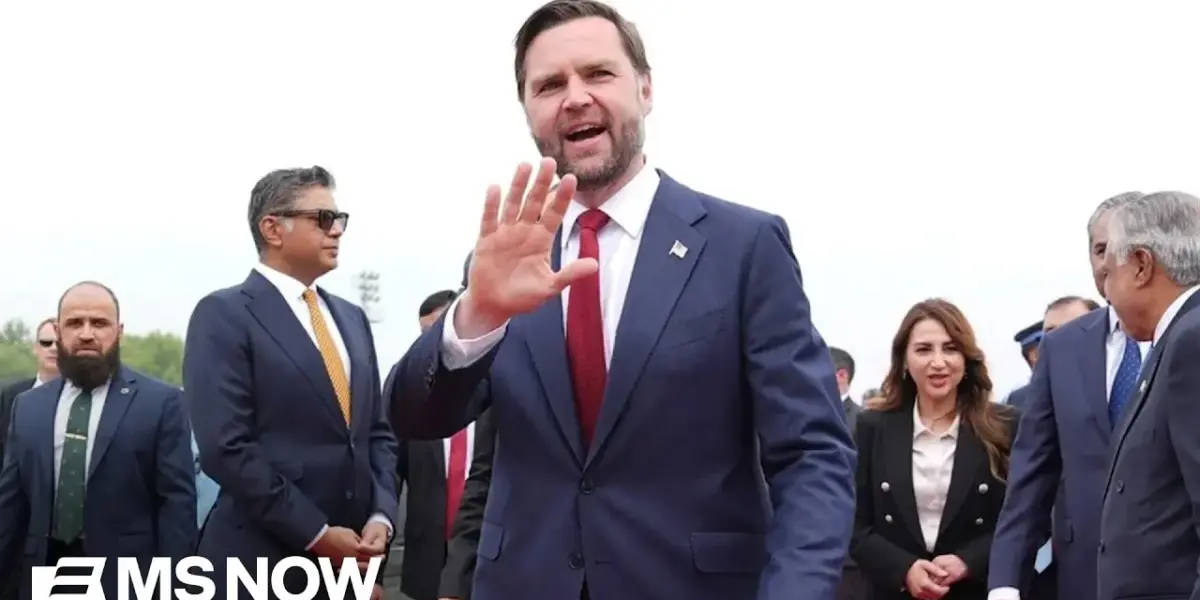
VP Vance Navigates Complex Peace Talks with Iran
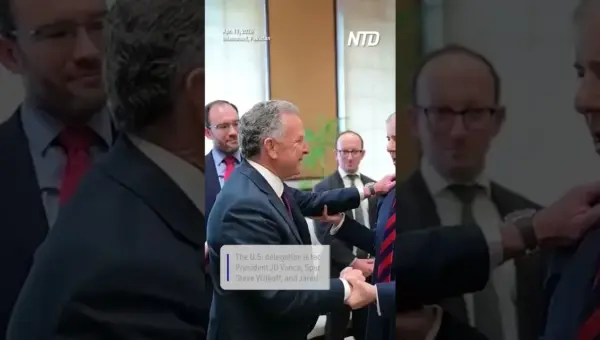
Vice President J.D. Vance is currently at the forefront of critical peace negotiations with Iran, leading a U.S. delegation in the Pakistani capital of Islamabad. The team includes special envoy Steve Witkoff and Jared Kushner, a senior advisor. This mission represents a significant diplomatic challenge for Vance, testing his political acumen and vice presidency. The talks aim to secure a ceasefire, a goal complicated by Vance’s past public opposition to U.S. military intervention.
A Balancing Act for the Vice President
White House officials have indicated that Vance has been carefully managing his public and private positions regarding the conflict. For weeks, he has reportedly voiced concerns about the war to President Trump and other White House aides, while publicly supporting the administration’s stance. This delicate balancing act has reportedly caused unease within Vance’s inner circle and national security team, who fear potential political fallout.
“The balancing act of publicly supporting Trump’s military campaign while privately expressing reservations has left some in Vance’s inner circle on edge,” an unofficial source stated. “Vance’s national security team is extremely wary. So many people are afraid of being on the outs.”
Optimism Ahead of Crucial Negotiations
Despite the internal concerns, Vance expressed an optimistic outlook before departing for Pakistan. He stated, “We’re looking forward to the negotiation. I think it’s going to be positive.” Vance reiterated President Trump’s position, saying, “If the Iranians are willing to negotiate in good faith, we’re certainly willing to extend the open hand. If they’re going to try to play us, then they’re going to find that the negotiating team is not that receptive.” He added that the team has clear guidelines from the President and aims for a productive outcome.
Historic Diplomatic Moment
This diplomatic engagement marks a significant moment, as high-level talks between the U.S. and Iran have not occurred since 1979. Vance carries the weight of this historical context as he engages in discussions in Islamabad. His past career, which often focused on critiquing the legacy of the Iraq War, adds another layer of complexity to his current role. This approach is seen by some as a strategic move to lend legitimacy to both the peace effort and the broader foreign policy objectives.
Internal Dynamics and External Pressure
Reports suggest that the Pakistani hosts requested a figure of Vance’s stature to be present, potentially influencing the choice of the U.S. delegation lead. Some analyses suggest the Iranians may have preferred to negotiate with someone perceived as reluctant to engage in military conflict, viewing it as a way to legitimize their position. The extent to which Vance’s personal ideology will influence the talks remains a key question, especially regarding the urgency President Trump places on finding a swift resolution.
A Test of Loyalty or a Setup?
The decision to send a Vice President on such a mission is rare, leading to questions about President Trump’s intentions. Some observers suggest it reflects deep trust in Vance, while others believe it could be a strategy to assign blame if the negotiations fail. President Trump himself has alluded to this, reportedly stating that if the talks succeed, he will take credit, but if they falter, Vance will be held responsible.
Challenges and Sticking Points
The negotiations face immediate challenges, with Iranian delegation members reportedly stating that talks will not begin until a ceasefire is agreed upon in Lebanon. As of now, direct meetings with U.S. officials had not yet commenced, though extensive discussions with Pakistani hosts had taken place. This condition highlights a significant hurdle, especially given the ongoing Israeli actions in Lebanon, which are not part of the current negotiations.
The Israel Factor and Wider Disagreements
Israel is identified as a major wildcard in these discussions. The U.S. administration’s influence over Israeli actions is limited, creating uncertainty. Significant differences also exist between the U.S. and Iranian positions on issues such as control of the Strait of Hormuz and potential tolls, indicating a wide gap that needs bridging. The U.S. has made it clear that any Iranian control over the Strait of Hormuz is an unacceptable outcome.
Situation Room Dynamics and Advising the President
Recent reports have shed light on internal White House discussions leading up to potential military actions, suggesting a lack of candid advice being given to the President. While CIA Director Ratcliffe and Senator Rubio reportedly expressed strong reservations about intelligence assessments, it appears few advisers, with the potential exception of Vance, were willing to directly challenge the President’s inclinations. This dynamic raises questions about the effectiveness of the advisory process within the current administration.
Vance’s Political Future at Stake?
The handling of the Iran situation could have significant implications for Vance’s political future, potentially impacting his prospects for future nominations. The complex geopolitical landscape and the administration’s relationship with leaders like Benjamin Netanyahu present a challenging environment. The success or failure of these talks in Islamabad could shape perceptions of Vance’s leadership and his standing within the party.
Looking Ahead
The coming days in Islamabad will be crucial. The duration of Vice President Vance’s stay is expected to be short, likely no more than two days, depending on the progress of the talks. If discussions stall or appear unproductive, Vance may depart sooner. The international community will be closely watching to see if a ceasefire can be brokered and if meaningful steps towards de-escalation can be achieved, or if the current diplomatic efforts will falter.
Source: VP Vance leads U.S. team in Iran ceasefire negotiations (YouTube)

Related Articles
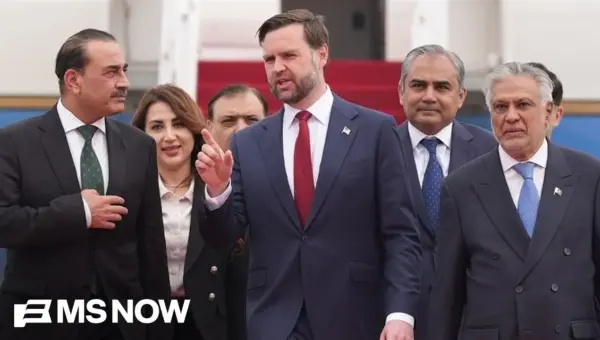
Iran Seeks Vance as US Envoy Amid Shifting War Aims
New peace talks are underway, but Iran remains skeptical due to past U.S. actions. Analysts suggest U.S. war aims lack clarity, complicating negotiations. Iran has reportedly requested J.D. Vance's presence, viewing him as a war skeptic.

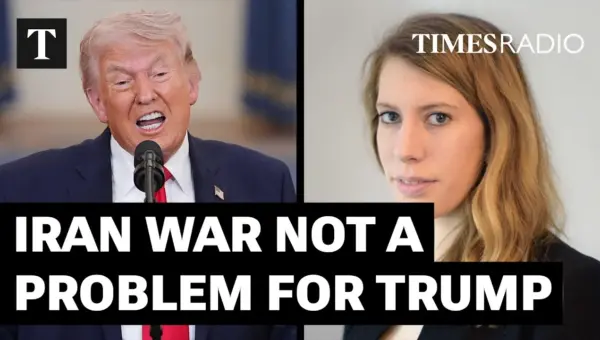
JD Vance Faces Iran Conflict Resolution Challenge
JD Vance is spearheading critical negotiations in Islamabad aimed at resolving the ongoing conflict with Iran. The mission faces significant hurdles, including Iranian demands and potential Israeli interference, all while the White House contends with domestic concerns over inflation and the rising cost of living.

Vance Meets Pakistan PM Amid U.S.-Iran Tensions
U.S. Vice President JD Vance met with Pakistan's Prime Minister in Islamabad shortly before crucial U.S.-Iran talks. The meeting highlights Pakistan's strategic importance and ongoing diplomatic efforts in a sensitive region.