VP Vance Leads Crucial Iran Talks Amidst Complex Challenges
Vice President Vance is leading critical U.S. negotiations with Iran in Pakistan, aiming to end a regional conflict. The talks face significant hurdles, including ongoing Israeli actions in Lebanon and disruptions in the Strait of Hormuz, which Iran increasingly controls. Internal White House dynamics and unclear negotiating instructions add further complexity to the high-stakes discussions.

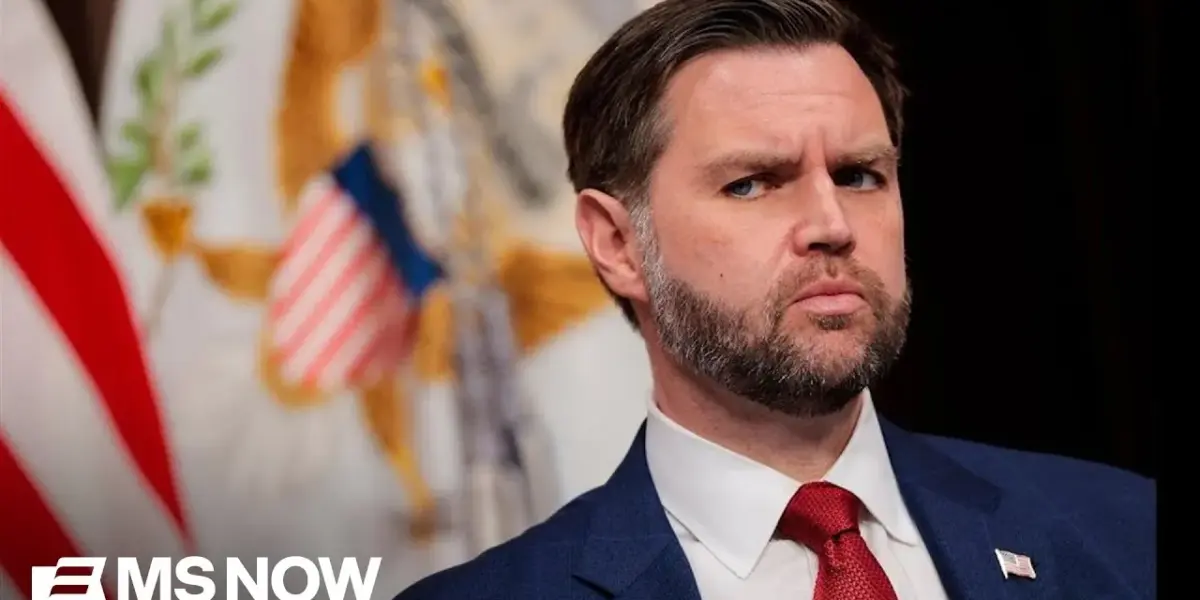
U.S. Vice President Embarks on High-Stakes Iran Negotiations
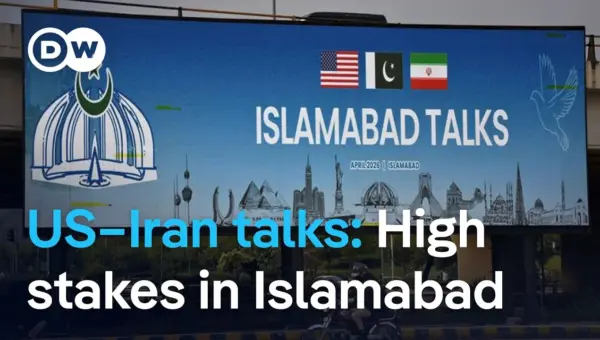
Vice President Vance is set to lead the United States delegation in critical face-to-face talks with Iran, aimed at ending a protracted conflict. The negotiations, scheduled to begin soon, are taking place in Pakistan. This marks the third attempt by the current administration to broker a deal with Iran. The fragile pause in fighting, which paved the way for these discussions, is already under strain. Continued Israeli bombardment of Lebanon and significant disruptions in the Strait of Hormuz are complicating the path forward.
Internal White House Dynamics Shape Vance’s Role
Behind the scenes, Vice President Vance’s appointment to lead these sensitive negotiations highlights internal White House dynamics. For years, Vance has been a vocal critic of U.S. military involvement abroad. Now, he finds himself at the helm of talks for a war he has historically opposed. Sources within the White House and former officials who have worked closely with Vance describe a challenging position. His national security team is reportedly weary, attempting to publicly support the President’s war efforts while privately harboring deep concerns.
Some White House officials suggest Vance has lost influence due to his past dissent. This perceived lack of clout exists even as he takes on the lead negotiator role. The situation is seen as particularly unusual in a Trump White House, especially during a second term. Typically, dissenting voices in high-level discussions can lead to more nuanced decision-making. However, this administration appears to operate differently, with fewer outspoken critics of the war being heard in key meetings.
Iran’s Perspective and Leverage in Negotiations
From the Iranian perspective, the U.S. sending its Vice President signals the seriousness with which Washington regards these talks. This high-level representation could inadvertently give Iran more leverage. Experts suggest it might make the U.S. appear desperate for a deal. Historically, previous U.S. negotiations with Iran have been followed by surprise attacks, raising concerns about the stability of any agreement reached.
Key Issues: Lebanon and the Strait of Hormuz
On the eve of the talks, significant questions remain about potential terms and the status of the Strait of Hormuz. Mediators in Pakistan express optimism, as they are the host nation and eager for a successful outcome. While Iran’s attendance seemed uncertain due to internal disagreements, sources indicate that discussions are now on track.
The initial focus of these talks is expected to be on establishing a permanent ceasefire, following a two-week pause in hostilities. However, the ongoing situation in Lebanon and the control of the Strait of Hormuz are immediate and substantial challenges. These two issues are likely to dominate the initial discussions before any permanent ceasefire can be addressed.
Disruptions in the Strait of Hormuz
The Strait of Hormuz remains largely impassable, with hundreds of vessels waiting to transit. Only one oil tanker managed passage in the last 24 hours, underscoring Iran’s continued control over this vital waterway. Iran appears to be leveraging this control for economic gain, with suggestions of imposing tolls on passing ships. Recent statements from Ayatollah Mujtaba Khamenei indicate a desire to escalate Iran’s management and control of the Strait. This prospect is unlikely to be welcomed by the United States or Gulf states, who will be closely observing the negotiations.
Economic Impact and Presidential Optimism
The closure of the Strait of Hormuz has a significant impact on the global economy. In the U.S., new data shows surging inflation and energy costs, adding pressure on President Trump. The President has expressed optimism about a deal, stating that Iranian leaders are more reasonable in private meetings than in public statements. However, former Ambassador Michael McFaul questions the basis for this optimism, noting a lack of evidence that the President has directly engaged with Iranian leadership.
Concerns Over Precedents and Negotiating Clarity
Ambassador McFaul voiced concerns about the potential implications of Iran controlling the Strait of Hormuz. He described it as a major victory for Iran and a significant setback for U.S. national interests and global stability. Allowing a nation to charge tolls for passage through such a vital strait could set a dangerous precedent. The idea of a joint venture with Iran that also generates profit is viewed as an even greater potential setback.
The current negotiations appear to be focused on issues prioritized by Tehran, rather than the original agenda, which may have included Iran’s nuclear program or internal political reforms. The complexity is further heightened by the reported difficulties in coordination among senior Iranian leaders following the deaths of top officials. On the U.S. side, President Trump’s tendency to change his mind unpredictably adds another layer of uncertainty for negotiators.
Navigating Uncertainty in Negotiations
It is incredibly difficult for negotiators on both sides to determine who is in charge and who is giving the actual negotiating instructions. This lack of clarity is a significant hurdle. While Vice President Vance has stated that the President has provided clear negotiating orders, the President’s shifting objectives for the war create an unstable environment. This uncertainty is unlikely to change soon, making the upcoming talks a pivotal moment.
Lebanon Negotiations and Ceasefire Discrepancies
Meanwhile, the State Department is set to host trilateral meetings concerning Israel-Lebanon negotiations. This comes even as Israel continues attacks on Lebanon, despite agreeing to talks. There appears to be confusion regarding whether Lebanon was initially included in the ceasefire agreement. Reports suggest President Trump was aware of Lebanon’s inclusion, but subsequent communication with Prime Minister Netanyahu seemed to exclude it. White House officials have stated Lebanon was never part of the initial agreement, contradicting earlier reporting and the positions of Iran and Pakistan, who mediated the ceasefire.
These discrepancies highlight the significant gaps in ongoing conversations and negotiations. Saturday’s talks represent a crucial opportunity for Vice President Vance to clarify the scope of the ceasefire and define which regions and populations are protected. The current two-week pause in fighting underscores the urgency of these efforts.
Source: ‘We look like we’re so desperate for a deal’: Fmr. U.S. Amb. on Iran talks (YouTube)

Related Articles

NATO Allies Urged to Step Up Support for US
Retired Navy SEAL Mike Cirelli urges NATO allies to increase their support for U.S. international efforts, citing delays in crucial operations. NATO's chief acknowledges past slow responses, while Cirelli emphasizes the need for allies to take greater responsibility for global security, especially concerning energy supplies.

Iran Nuclear Talks Heat Up Amid Ceasefire Concerns
The White House is clarifying its stance on Iran's nuclear program, emphasizing that enrichment is off the table. Meanwhile, a high-level delegation is heading to Pakistan for critical talks amid reports of continued hostilities and the alleged closure of the Strait of Hormuz, testing a fragile ceasefire.
US-Iran Talks Falter Amid Hormuz Standoff, Ceasefire Strain
A fragile ceasefire between the US and Iran is under severe strain as tensions rise over the critical Strait of Hormuz. Both nations accuse each other of violating the terms of a recent deal, while international efforts to secure the vital shipping lane intensify. Crucial peace talks are underway in Pakistan, but deep-seated distrust and maximalist demands from both sides cast doubt on the likelihood of a comprehensive agreement.