VP Vance Attends Dignified Transfer of Fallen Sgt. Pennington
Vice President J.D. Vance attended the dignified transfer of remains for U.S. Army Sergeant Benjamin Pennington at Dover Air Force Base. Sergeant Pennington, 26, is the seventh U.S. service member to die in combat operations in the Middle East following an attack in Saudi Arabia.

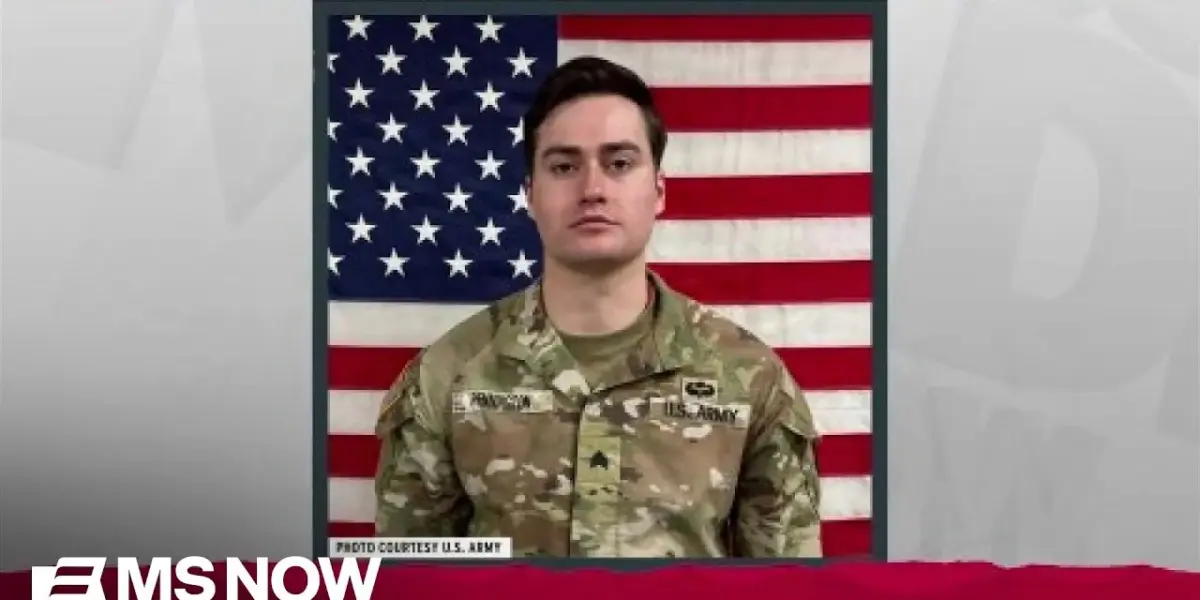
Vice President Vance Honors Fallen Soldier at Dover Air Base
DOVER AIR FORCE BASE, Del. – Vice President J.D. Vance attended the dignified transfer of remains for U.S. Army Sergeant Benjamin Pennington, who succumbed to injuries sustained in an attack on Prince Sultan Air Base in Saudi Arabia just over a week ago. The solemn ceremony took place at Dover Air Force Base, a customary site for honoring fallen service members. Sergeant Pennington, 26, is the seventh U.S. service member to die in combat operations related to the ongoing conflict in the Middle East.
A Nation Mourns Sergeant Pennington
Sergeant Benjamin N. Pennington, a resident of Glendale, Kentucky, was assigned to the 1st Space Battalion, 1st Space Brigade, based at Fort Carson, Colorado. His death marks a significant loss and underscores the ongoing risks faced by U.S. military personnel serving abroad. The attack that led to his injuries occurred on Prince Sultan Air Base, a critical hub for operations in the region.
The Significance of Dignified Transfers
The dignified transfer of remains is a formal process by which the remains of fallen service members are received and moved with honor and respect. Retired U.S. Army Colonel Jack Jacobs, a recipient of the Medal of Honor, provided insight into the importance of these ceremonies, particularly in an era of an all-volunteer force.
“This ceremony is vitally important for the American public to see it. Because in the past, we knew what the cost was, and now we don’t, because we don’t know anybody in uniform. But this is the cost of the use of the military instrument.”
Colonel Jacobs explained that in previous eras, with a draft and a larger military presence, nearly every American knew someone in uniform, making the cost of conflict more tangible. In today’s volunteer force, he argues, these dignified transfers serve as a crucial, albeit somber, reminder to the public of the sacrifices being made in their name.
Historical Context and Media Access
The tradition and protocols surrounding dignified transfers have evolved, particularly concerning media access. Colonel Jacobs recalled the significant controversy and debate during the post-9/11 wars regarding media coverage at Dover. The George W. Bush administration initially sought to limit media presence, a decision that sparked a national discussion about transparency and public awareness of the human cost of war.
Ultimately, the prevailing view supported public access, recognizing the importance of informing citizens about the sacrifices made by their military. However, the access remains carefully managed. As seen in the footage provided, the ceremonies are not broadcast live and are typically presented without audio to maintain a solemn atmosphere while still allowing the public a glimpse into these profound moments.
Official Presence and Respect
Vice President Vance was joined at the transfer by the Secretary of Defense and the Chairman of the Joint Chiefs of Staff, underscoring the high level of respect and national importance placed on honoring fallen service members. The presence of top civilian and military leadership signifies the nation’s collective grief and commitment to remembering those who have made the ultimate sacrifice.
The Vice President also met with Sergeant Pennington’s family, offering condolences and support during their time of profound loss. These interactions highlight the personal impact of military service and the nation’s responsibility to care for the families of the fallen.
The Broader Implications of Sacrifice
Colonel Jacobs emphasized the critical need for full and complete disclosure regarding military operations and their outcomes for the health of the republic. He stated:
“It’s vitally important that the American public see what is done in their name. To be sure, we need to do whatever we can do in order to protect the United States, our allies, our interests everywhere around the world. But whatever is done to do that, it’s important that the American public always be informed of what it takes to get it done… So, full and complete disclosure is vitally important for the health of the republic.”
This perspective underscores the belief that public awareness of the sacrifices made by service members is essential for informed national discourse and decision-making regarding foreign policy and military engagement.
Looking Ahead
The dignified transfer of Sergeant Benjamin Pennington serves as a somber reminder of the ongoing commitment and sacrifices of U.S. service members. As operations continue in the Middle East, the nation will undoubtedly face further instances where the ultimate price is paid. The public’s understanding of these sacrifices, facilitated by ceremonies like the dignified transfer, remains a cornerstone of democratic accountability and national remembrance.
Source: Vance, Hegseth attend dignified transfer of the remains of Sgt. Benjamin Pennington (YouTube)

Related Articles
Trump Honors Fallen Soldiers Killed in Iran Drone Attack
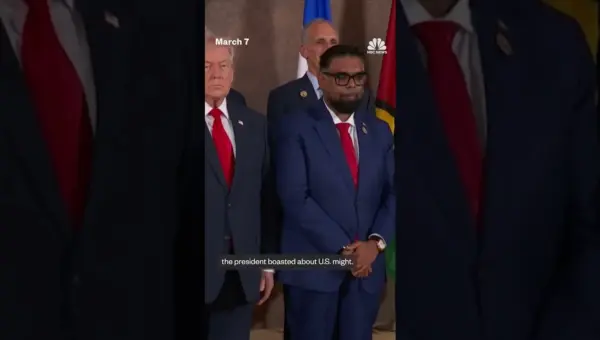
President Donald Trump honored six U.S. soldiers killed in an Iranian drone attack during a solemn ceremony at Dover Air Force Base. The event followed a day of the president projecting strength on military options against Iran and engaging with Latin American leaders.
US Soldiers Killed in Iran Drone Strike: Six Honored
Six U.S. soldiers have been killed in a deadly Iranian drone strike that hit an operations center in Kuwait. The attack claimed the lives of Specialist Declan Cody, Captain Cody Cork, Sergeant Firstclass Noah Tegan, Sergeant Firstclass Nicole Moore, Chief Warrant Officer Robert Marcan, and Major Jeffrey O'Brien. President Trump is expected to attend a dignified transfer ceremony for the fallen troops.

Biden Slams Media Criticism: We Honor Fallen Heroes, Not Russia
President Joe Biden sharply criticized media figures like Pete Hegseth for politicizing the deaths of American service members, asserting the U.S. honors its fallen heroes unlike Russia. Biden emphasized that mentioning fallen soldiers' names is about sacrifice, not making political points for or against Donald Trump.