Voters Question Trump’s Mental Sharpness, Polls Show
New polls reveal a majority of American voters believe Donald Trump is becoming more erratic with age and question his mental fitness for office. Concerns are rising across Democrats, independents, and Republicans following disputed anecdotes and questionable claims made by the former president.

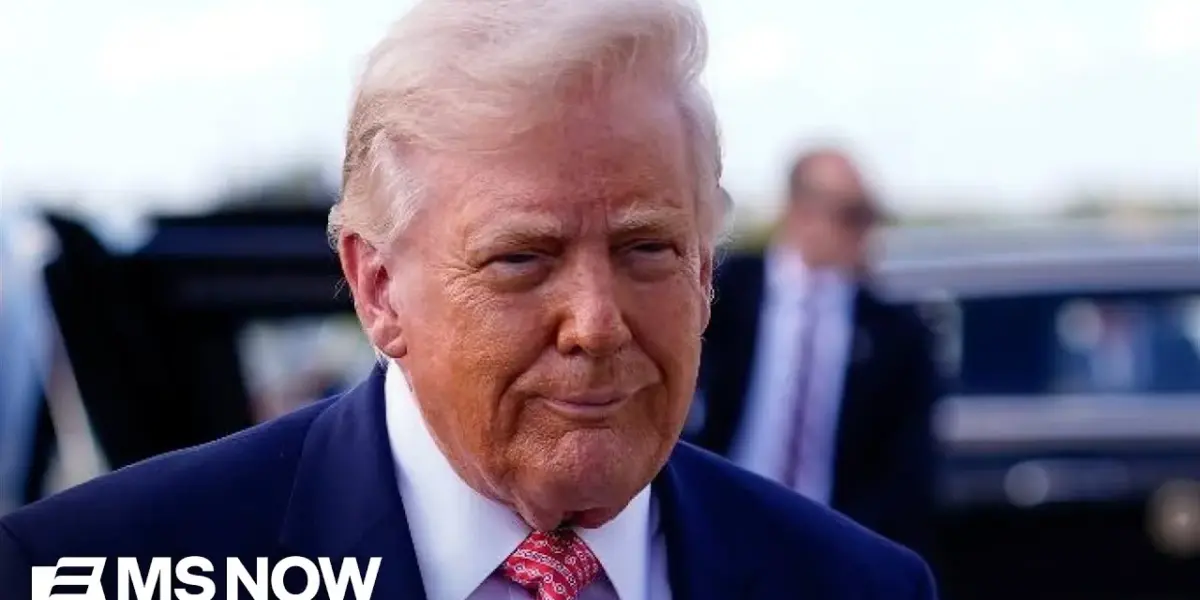
Voters Growing Concerned Over Trump’s Erratic Behavior
A growing number of Americans are questioning Donald Trump’s mental fitness and stability, according to two recent polls. Many voters now believe the former president is becoming more erratic as he ages. These concerns are not limited to Democrats; a significant portion of independent and Republican voters share these doubts.
Key Poll Findings Highlight Concerns
The Washington Post, in partnership with ABC News and Ipsos, conducted a poll revealing that 56% of respondents believe Trump is not fit to serve effectively. A separate Reuters and Ipsos poll showed an even starker picture, with 6 out of 10 Americans stating that President Trump is becoming more erratic with age. This trend is noticeable across the political spectrum, including among Republicans and independents.
Examples of Perceived Erratic Behavior
Several incidents have fueled these public concerns. Reports of Trump appearing to sleep during important cabinet meetings and Oval Office visits have raised eyebrows. Additionally, stories have emerged about his alleged insistence that top aides wear specific brands of shoes, sometimes in incorrect sizes. These anecdotes contribute to a perception of distraction and unusual focus on minor details during serious times.
“He also doesn’t sound good. He has always done that to a degree, but now he’s doing it in the middle of White House cabinet meetings, largely defined by deadly serious issues like the war in Iran or alleged political prosecutions.”
Disputed Anecdotes and Fabricated Stories
The transcript highlights instances where Trump has told stories that have later been disputed or outright denied by those involved. One notable example involves a story Trump told about a pen during a cabinet meeting. He claimed the company that makes Sharpie pens told him a conversation he had about their products never happened. The company reportedly stated that the conversation, as described by Trump, did not occur. This suggests he may have fabricated or exaggerated the story.
Another widely reported instance involved Trump’s account of meeting Maryland Governor Wes Moore. Trump claimed Moore called him the greatest president of his lifetime. However, Governor Moore quickly stated that this conversation was imaginary and never took place. These recurring instances of disputed narratives lead many to question the accuracy of his statements.
Historical Patterns of Questionable Claims
This pattern of making questionable claims is not new. In the past, Trump has told stories about his uncle, John Trump, that have been factually inaccurate. He claimed his uncle was a scientist involved with MIT and the Unabomber, Ted Kaczynski. However, historical records show John Trump died years before Kaczynski was identified, and Kaczynski never attended MIT. Such inaccuracies have led to repeated public scrutiny.
Furthermore, Trump has recounted stories about other former presidents supposedly regretting not having his courage to confront Iran, claims that have been denied by the living presidents. He also claimed Tucker Carlson profusely apologized for a potential split within the MAGA movement, a statement Carlson has directly refuted. These repeated fabrications contribute to the growing doubt about his reliability.
Broader Implications and Public Perception
While Donald Trump has often been characterized by his attention-seeking behavior and desire for applause, his current age and the nature of his public statements are raising new concerns. The combination of his age, approaching 80, and the increasing frequency of disputed or erratic statements have led a majority of voters to question his mental acuity and fitness for office. The polls suggest a significant portion of the electorate is concerned about his stability and decision-making capabilities.
What’s Next?
As the election cycle progresses, voters will likely pay closer attention to Donald Trump’s public appearances and statements. The consistency and factual accuracy of his remarks will be under increased scrutiny. Future polls and public reactions to his campaign events will indicate whether these concerns about his erratic behavior and mental sharpness continue to grow or if his base remains unfazed.
Source: Poll: Majority of voters say Trump is becoming more erratic with age (YouTube)

Related Articles
Trump Weighs War Crime Threat Over Iran Strait
President Trump is reportedly willing to accept the continued closure of the Strait of Hormuz, despite earlier threats, signaling a shift in U.S. demands. This comes as gas prices surge and markets react negatively to the ongoing conflict. Conflicting messages from within the administration fuel confusion about the war's objectives and exit strategy.

Trump’s Wealth vs. Biden’s Economy: A Stark Contrast?
A debate contrasts Donald Trump's reported crypto earnings with concerns over Biden's economy, including rising inflation and gas prices. The discussion critically examines proposed fiscal policies and their impact on national debt and social programs.


Trump’s Iran War Falters, Retreat Looms Large
Reports indicate a potential shift in the Trump administration's strategy regarding Iran, moving from ambitious military goals to a possible withdrawal. This pivot raises questions about effectiveness, regional stability, and the evolving nature of modern warfare.