Voter ID Law Sparks Debate: Security vs. Access
The Save America Act proposes voter ID and proof of citizenship, sparking debate. Supporters cite election security, while critics fear voter suppression. The core issue is balancing accessibility with the need for secure elections.

Voter ID Law Sparks Debate: Security vs. Access
A proposed law, the Save America Act, is stirring up strong feelings across the nation. This bill aims to strengthen election security by requiring voters to show identification and proof of citizenship when they register. Supporters argue these measures are common sense steps to ensure only eligible citizens cast a ballot. However, critics worry these requirements could make it harder for many Americans to vote.
Arguments for Security
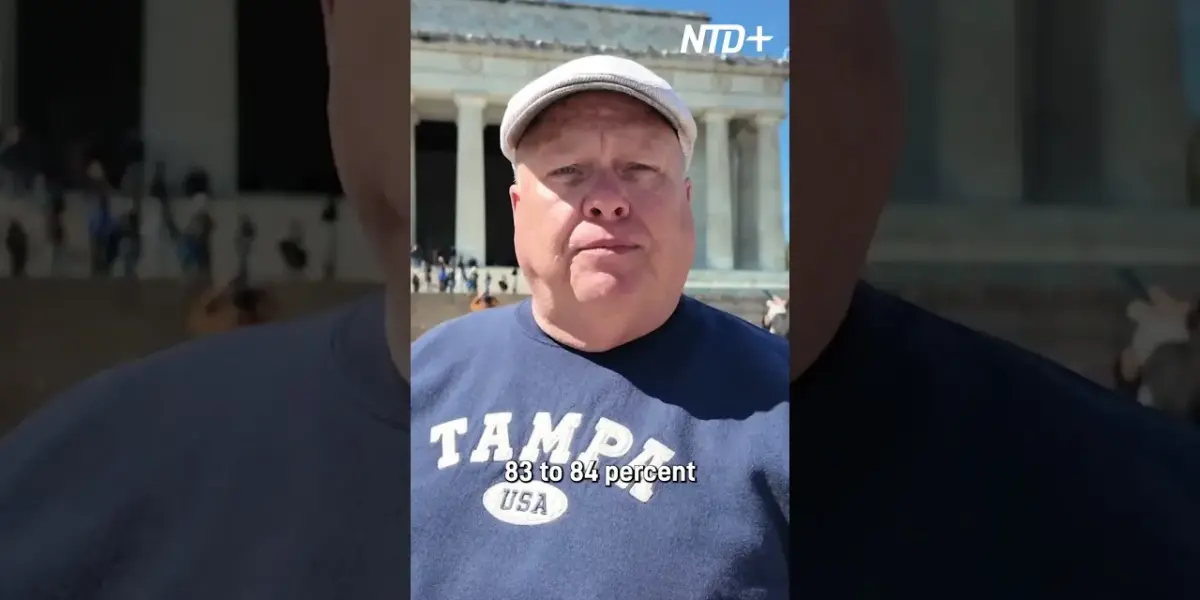
Many people believe that having identification to vote is a straightforward requirement. The core idea is that if you need to prove you are a citizen to live in the country, you should also prove it to vote. One person interviewed stated, “How can it be voter suppression if you’re required to be a citizen anyway?” This viewpoint suggests that demanding proof of citizenship for voting aligns with existing laws and the fundamental nature of citizenship itself.
The sentiment that laws and rules exist for a reason is strong among supporters. They feel that having processes in place to verify voters is essential for maintaining the integrity of elections. The idea is to prevent non-citizens from influencing election outcomes. As one resident put it, “Why should someone that is not a US citizen take my vote away?” This highlights a deep concern about safeguarding the voting rights of actual citizens.
Concerns About Access
On the other hand, many express serious concerns that the Save America Act could prevent eligible citizens from voting. They point out that obtaining the necessary documents, like birth certificates or passports, can be a difficult and costly process for some people. “I think if they don’t have a birth certificate or passport, they shouldn’t drive. They shouldn’t be able to drink. They shouldn’t be able to go to the doctor,” one person argued, highlighting the irony that many people already perform these daily tasks without such strict ID requirements.
This perspective suggests that if someone can access essential services like healthcare or drive a car, they likely have the necessary identification. Therefore, demanding even more stringent proof for voting seems unfair and unnecessary. The fear is that these hurdles disproportionately affect lower-income individuals, the elderly, and minority groups who may face greater challenges in acquiring or replacing identification documents.
Finding a Balance
The debate also touches on the practical difficulties of meeting new requirements. Even individuals in positions of authority, like a mayor, shared their reservations. “I don’t even have a passport and I’m the mayor of my city and I don’t think we should do that. I think we should keep it simple,” they stated. This suggests that the proposed measures might be overly complicated and create unnecessary burdens.
While polls indicate significant public support for some form of voter ID, the exact implementation remains a sticking point. The question is not whether voter ID is acceptable, but rather what kind of ID and how difficult it is to obtain. “Sure. Well, yeah. I think we have some uh uh guard rails in place right now, but don’t make it difficult to the point where people got to go and if you got married or something, change your name, you got to go find your birth certificate,” one person explained. This desire for a middle ground acknowledges the need for security without creating undue obstacles for voters.
Why This Matters
The Save America Act brings a long-standing debate about election integrity and voter access to the forefront. It forces us to consider how to balance the desire for secure elections with the fundamental right to vote. If laws make it too hard for eligible citizens to cast their ballot, it undermines the democratic process itself. Conversely, if elections are not perceived as secure, public trust can erode.
Historical Context and Future Outlook
Laws requiring voter identification have existed in various forms for decades. Historically, these requirements have sometimes been used to disenfranchise certain groups. Today, the discussion often centers on finding identification methods that are both secure and accessible to all eligible voters. The trend is towards stricter identification, but the debate over what constitutes ‘reasonable’ requirements continues.
The future of such legislation will likely depend on finding common ground. Policymakers face the challenge of crafting laws that satisfy security concerns without erecting barriers to voting. As technology advances, new solutions might emerge, but the core tension between access and security will remain a central issue in American elections for years to come.
Source: US Citizens Weigh In on SAVE America Act (YouTube)

Related Articles

Voter ID: Common Sense or Suppression?
A growing debate surrounds voter ID laws, with proponents calling them a common-sense measure against fraud and opponents fearing voter suppression. Many countries and U.S. states already require ID to vote.
Trump Leveraged Airport Chaos for Voter ID Push
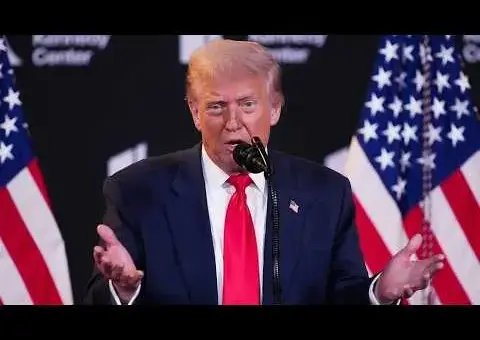
Donald Trump's decision to pay TSA agents was revealed to be a tactic to leverage airport chaos for his voter ID agenda. Despite having the authority to act sooner, he allegedly prolonged travel disruptions to pressure for the "Save America Act," a measure critics argue is voter suppression.

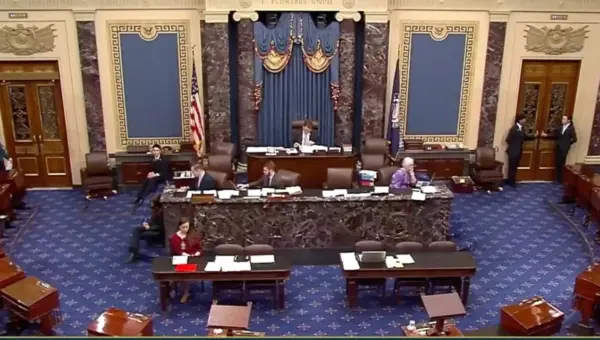
Senate Rejects Voter ID Bill: A Deep Dive into the Divide
The U.S. Senate recently voted down a proposed amendment requiring photo ID to vote, splitting strictly along party lines. Republicans argued for election security, while Democrats raised concerns about voter suppression. This failure highlights deep divisions on election laws.