Voter ID: Common Sense or Suppression?
A growing debate surrounds voter ID laws, with proponents calling them a common-sense measure against fraud and opponents fearing voter suppression. Many countries and U.S. states already require ID to vote.

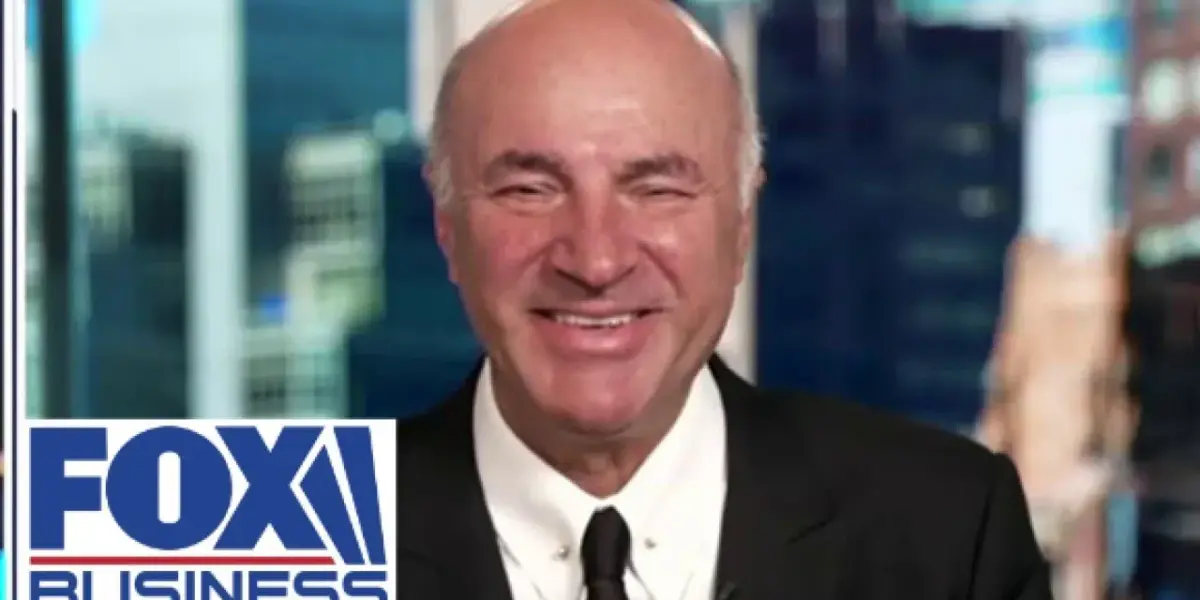
Voter ID Laws Spark Fierce Debate Across U.S.
The debate over requiring identification to vote is heating up. Some see it as a common-sense measure to prevent fraud, while others worry it unfairly stops eligible citizens from casting their ballots. This issue has become a major point of discussion in American politics.
Global Support for Voter ID
Looking at other developed nations, requiring ID to vote is the norm. Kevin O’Leary, chairman of O’Leary Ventures, points out that almost all G20 countries, which are major global economies, have some form of voter identification requirements. He notes that countries like Switzerland and those in Nordic regions also use these systems.
“Why wouldn’t you want this?” O’Leary asks, suggesting that voter ID reduces concerns about election fraud. “If you’re not a citizen, you can’t vote. It’s that simple.” He believes making the process clear – prove your identity to vote – should end the debate.
Voter ID is Common in Many U.S. States
The idea of needing identification to vote is not new in the United States. Currently, 36 states have some form of voter ID laws in place, and they are functioning without widespread issues. This suggests that such laws are manageable and can be implemented successfully.
Furthermore, O’Leary highlights that people are required to show ID for many everyday activities. “Is it suppression to show ID to get a bank account?” he questions. “Is it suppression to rent a hotel room, a car or adopt a pet?” He argues that if showing ID is acceptable for these common tasks, it should be acceptable for voting.
Framing the Debate: Fraud Prevention vs. Suppression
A key part of the discussion is how the issue is presented. Critics argue that voter ID laws are designed to suppress votes, meaning they make it harder for certain groups, often minority voters, to participate. They believe this is a form of voter suppression.
However, supporters like O’Leary suggest flipping this narrative. They propose that requiring ID is actually “fraud suppression.” The argument is that the only way fraud can happen is if people vote without proving who they are. Therefore, preventing fraud means stopping anyone from voting who cannot prove their identity.
“So why not suppress that to zero?” O’Leary asks, emphasizing the goal of eliminating fraudulent votes. He finds it hard to believe any politician, regardless of party, would disagree with the basic idea that only verified citizens should vote.
Broader Implications and Common Sense
The push for voter ID laws often centers on the idea of common sense. Proponents believe that in a society where identification is needed for so many things, it’s only logical to require it for the fundamental act of voting. This approach aims to build trust in the electoral process.
The discussion continues as lawmakers and the public weigh the importance of election integrity against concerns about access to voting. As more states consider or update their voter ID laws, the national conversation is likely to remain active.
Market Impact
While this debate is primarily political, significant changes in election laws could indirectly affect markets by influencing business confidence and regulatory environments. However, the direct financial market impact of voter ID laws is generally considered minimal unless they lead to widespread instability or significant shifts in policy that affect the economy.
What Investors Should Know
Investors should understand that election integrity and voting access are complex issues with strong opinions on both sides. While voter ID laws are a significant topic of political debate, their direct impact on investment portfolios is usually indirect. Focus on how potential policy changes might affect economic stability, business operations, and consumer confidence rather than solely on the voting process itself. Keep an eye on broader trends in governance and regulation that could influence the business climate.
Source: Kevin O'Leary: Why wouldn't you want this? (YouTube)

Related Articles
House Republicans Reject Senate Deal, Sparking Government Funding Clash
House Republicans have rejected a Senate bill to end the government shutdown, citing insufficient border security measures. Congressman Randy Fine called the Senate deal a "disgrace" and highlighted the ongoing fight for full government funding. President Trump's executive order to pay TSA agents offers temporary relief, but the core disagreement over border security continues to paralyze Washington.
MAGA Voters Divided Over Potential Iran War
The potential for a US war with Iran has sparked debate at CPAC, revealing a divided MAGA base. While some support military action, many express concerns over prolonged conflicts and rising economic costs, particularly higher gas prices.
Government Shutdown Sparks TSA Pay Chaos; Woods Arrested
The government shutdown caused major disruptions, leading to TSA agents working without pay and President Trump signing an order to ensure their compensation. Meanwhile, golf icon Tiger Woods was arrested following a car crash in Florida. The news cycle also covered US operations in Iran, support for American farmers, political discussions at CPAC, election record disputes, and lawsuits against social media companies for their impact on students.