Vogue Stars Unite, Iran Ceasefire Sparks Global Debate
Anna Wintour and Meryl Streep share the cover of Vogue, sparking conversation about the magazine industry's future. Meanwhile, a last-minute ceasefire between the U.S. and Iran has averted immediate conflict, though questions linger about the deal's terms and lasting impact.


Anna Wintour and Meryl Streep Reunite for Vogue Cover Amid Industry Shifts
In a striking visual that bridges the worlds of fashion and film, Vogue’s editor-in-chief Anna Wintour and legendary actress Meryl Streep have graced the cover of the iconic magazine together. The accompanying photoshoot, captured by renowned photographer Annie Leibovitz, sees Streep embodying her famous character, Miranda Priestly, the formidable fashion magazine editor from “The Devil Wears Prada.” Wintour, in turn, plays herself, acknowledging the distant relationship between her real-life persona and Streep’s icy portrayal.
This collaboration arrives just ahead of the release of “The Devil Wears Prada 2,” a sequel that has generated significant buzz. Streep’s appearance as Priestly, alongside Wintour, is seen by some as a commentary on the evolving landscape of the magazine industry. Streep herself noted to Vogue that the fictional narrative mirrors the real-world challenges facing print media, stating, “Everything’s disintegrating.” She also reflected on the pressures of leading a large organization and the responsibility of managing many jobs.
The magazine industry, including Vogue’s parent company Condé Nast, has faced considerable financial headwinds. While Condé Nast is a private company and does not publicly share its earnings, reports from the Wall Street Journal indicated financial losses for the company throughout the 2010s. In a move reflecting these pressures, Vogue reduced its print publication schedule from 12 issues per year to eight earlier this year.
However, the company’s CEO has highlighted a turnaround, touting double-digit growth in digital subscription revenue and claiming the company is profitable again. Condé Nast has not released specific subscriber or circulation numbers for Vogue. Notably, Wintour, who took over as editor-in-chief in 1988, has seen the business transform dramatically from its more robust print-focused era.
“The Devil Wears Prada” was a cultural phenomenon, grossing over $300 million worldwide and leaving a lasting mark on popular culture. While Wintour initially distanced herself from Streep’s sharp portrayal, calling the movie “fiction,” she has since been complimentary of its humor and wit. The current collaboration suggests a more relaxed stance, perhaps reflecting the enduring cultural influence of both the film and its real-life inspirations.
Iran Ceasefire: A Fragile Peace or a Diplomatic Triumph?
In a dramatic turn of events, the United States and Iran have agreed to a two-week ceasefire, averting a potential military escalation that had gripped international attention for weeks. President Trump announced the truce on social media, just hours before his self-imposed deadline for Iran to reopen the Strait of Hormuz or face severe consequences.
The threat of an “apocalyptic level military offensive” and the potential death of a “whole civilization” had drawn widespread international condemnation. However, the sudden shift towards a ceasefire followed the presentation of a ten-point peace plan from Iran, brokered by Pakistan’s Prime Minister. President Trump described the plan as a “workable starting point,” signaling a significant diplomatic development.
Key Terms of the Ceasefire and Lingering Questions
Details of the ten-point plan are still emerging, but initial reports suggest it includes a call for the withdrawal of U.S. combat forces from the Middle East and coordinated passage through the Strait of Hormuz. However, significant questions remain about the exact terms and their implementation. U.S. officials have stated the ceasefire is contingent on the “complete, immediate, and safe opening” of the vital energy route. Despite the agreement, reports of Iranian strikes in the Gulf region have surfaced, raising concerns about whether the ceasefire is being fully enforced.
Major shipping companies have expressed caution, with Maersk stating the ceasefire may create transit opportunities but does not yet provide full maritime certainty. The English version of Iran’s peace plan notably omits any mention of enrichment rights, a key point of contention, while a Farsi version reportedly includes this provision. This discrepancy adds another layer of complexity to the negotiations.
International Reactions and Domestic Divisions
The ceasefire has been met with a mix of relief and skepticism globally. While some leaders, like Pakistan’s Prime Minister, have expressed hope for sustainable peace, others remain wary. In the U.S., the announcement has amplified existing political divisions. Dozens of Democrats in Congress are calling for President Trump’s removal from office, citing his rhetoric and actions leading up to the ceasefire as grounds for impeachment or invoking the 25th Amendment.
Members like Senator Ed Markey have described the situation as “as grave a moment as the world has faced in the nuclear era.” Even some conservative media personalities and allies of the President have voiced criticism of his conduct and language. The public response to the ceasefire is still developing, particularly as it occurs during a midterm election year, where these issues are likely to become campaign focal points.
Broader Implications and Future Outlook
The conflict and subsequent ceasefire have had a tangible impact on global markets. Oil prices, which had surged during the standoff, have dropped significantly, and stock futures have risen in the wake of the announcement. The situation in Lebanon also remains tense, with Israel continuing its operations against Hezbollah, despite the broader ceasefire agreement.
The coming weeks will be crucial in determining the stability of this ceasefire. Key issues to watch include the actual reopening of the Strait of Hormuz, the progress of negotiations on the ten-point peace plan, and the extent to which both sides adhere to the agreed-upon terms. The ongoing political fallout within the United States and the reactions from regional powers will also shape the future of this fragile peace.
Source: LIVE: NBC News NOW – April 8 (YouTube)

Related Articles
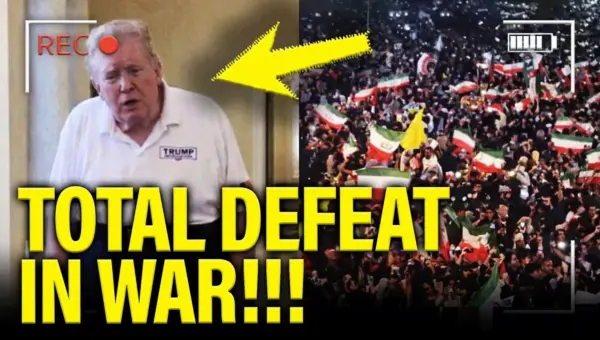
Trump’s Iran Deal Sparks Outrage: A Diplomatic Humiliation?
Reports suggest Donald Trump agreed to Iran's 10-point peace framework, sparking celebrations in Tehran and outrage in some U.S. circles. Critics call it a diplomatic surrender, while supporters defend it as a workable basis for negotiation. The deal's implications for regional stability and U.S. global standing are profound.
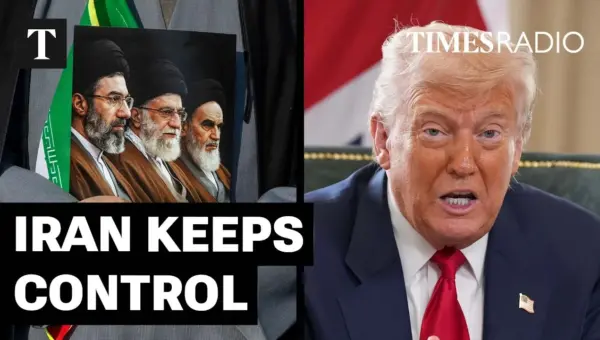
Iran’s Hormuz Toll Likely to Stay After Conflict
A recent ceasefire has brought relief, but Iran's control over the vital Strait of Hormuz and potential for continued tolls remain significant concerns. Experts suggest that compromise will be key to a lasting peace, while oil markets grapple with ongoing supply disruptions despite the recent price drop.

Ukraine Strikes Russian Oil, Shifts War Dynamics
Ukraine's long-range drone strikes are disrupting Russian oil infrastructure, including a major refinery shutdown. Former CIA Director David Petraeus notes Ukraine is shifting the war's dynamics, potentially taking the "upper hand" through technological innovation despite Russia's manpower advantage. This escalation coincides with Ukraine's ceasefire proposal and a critical bottleneck in its own drone engine production.