Veterans Sound Alarm: Trump Administration Escalates Undeclared War
Veterans are sounding the alarm on the Trump administration's approach to military engagements, arguing that a deliberate obfuscation of the term "war" is being used to bypass congressional oversight. This op-ed delves into the concerns of veterans, the abdication of congressional duty, and the human cost of undeclared conflicts.

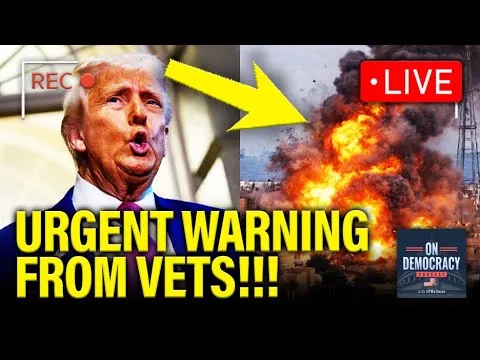
Veterans Sound Alarm: Trump Administration Escalates Undeclared War
The United States finds itself embroiled in a conflict that, while not formally declared, carries the weight and consequence of war. This is the stark assertion made by veterans, including those with direct experience in Iraq and Afghanistan, who are now speaking out against the Trump administration’s approach to military engagement. At the heart of their concern lies a perceived deliberate obfuscation of the term “war” by Republican leadership and the administration, a strategy they argue is designed to circumvent congressional oversight and accountability. The reality on the ground, they contend, is far more dire: American service members are returning home in coffins, and advanced military hardware like F-15s are being engaged in hostile airspace, with significant weaponry being deployed against Iran. This is not a mere skirmish; it is, by all practical definitions, a war.
The Abdication of Congressional Duty
The Constitution vests Congress with the sole power to declare war and, crucially, to oversee its execution. However, a significant point of contention raised by veterans and advocacy groups like Iraq and Afghanistan Veterans of America (IAVA) is Congress’s apparent refusal to fulfill this fundamental duty. Instead of engaging in rigorous questioning and oversight, lawmakers are accused of standing by as the nation drifts further into conflict. This inaction leaves the American public and, more importantly, the nation’s service members in a precarious position, with deployments lacking clear objectives or defined end goals.
A Smirking Disregard for Sacrifice
The frustration among veterans is palpable, fueled by what they perceive as a dismissive attitude from the highest levels of government. Testifying before Congress, individuals like Dr. Kyleanne Hunter, CEO of IAVA and a Marine Corps veteran of both Iraq and Afghanistan, highlighted the disconnect between the administration’s rhetoric and the lived experiences of those in uniform and their families. The narrative presented by some officials, focusing on abstract “long-term economic payoffs” or offering what is described as a “smirking” demeanor when discussing serious military actions, stands in stark contrast to the reality of casualties and the immense personal cost of war. This perceived dismissal of the sacrifices made by service members and their families is a significant source of anger and disillusionment.
The Human Cost of Ambiguity
Dr. Kyleanne Hunter’s testimony, delivered on Capitol Hill, underscores the critical need for transparency and accountability in military operations. As a decorated combat veteran, having served as an AH-1W Super Cobra attack pilot in Iraq and Afghanistan, and with extensive experience in strategic studies and legislative affairs, her perspective carries significant weight. She emphasizes that sons and daughters are being sent into modern combat zones without a clear understanding of why they are there or what constitutes mission success. This lack of clarity not only endangers service members but also erodes public trust and the legitimacy of military actions. The veterans argue that the current trajectory is unsustainable and demands a return to established legal and constitutional frameworks that prioritize the safety and well-being of those who serve.
Historical Context: The Shadow of Undeclared Wars
The current situation echoes historical patterns where the United States has engaged in prolonged military actions without formal declarations of war. The Korean War and the Vietnam War, for instance, were protracted conflicts authorized through congressional resolutions or presidential directives rather than explicit declarations. These periods were marked by intense public debate, significant casualties, and eventually, profound societal reflection on the nature of warfare and the role of government. The current administration’s approach, characterized by ambiguity and a perceived sidestepping of constitutional responsibilities, risks repeating the mistakes of the past, where the absence of clear objectives and accountability led to prolonged suffering and national division.
Why This Matters
The voices of veterans like Dr. Hunter are crucial because they offer a ground-level perspective on the consequences of foreign policy decisions. Their firsthand accounts of combat, the loss of comrades, and the challenges faced by returning service members provide an unfiltered reality check against the often-sanitized language of policy and strategy. When these voices are amplified, they serve as a vital check on executive power and remind policymakers of the profound human toll of conflict. The insistence on congressional oversight is not merely a procedural matter; it is a fundamental safeguard against the unchecked expansion of military power and a commitment to the principles of democratic governance. The refusal to acknowledge the reality of war, despite the evidence of casualties and active combat, undermines these principles and leaves the nation vulnerable to ill-conceived and potentially endless engagements.
Implications, Trends, and Future Outlook
The current trend suggests a potential normalization of undeclared, protracted conflicts, enabled by a political environment that seeks to minimize public scrutiny. This approach poses significant risks:
- Erosion of Democratic Oversight: When Congress abdicates its constitutional role, executive power in matters of war expands unchecked, potentially leading to decisions made without adequate deliberation or public consent.
- Increased Risk to Service Members: Deployments without clear end goals or strategic objectives place service members in prolonged, ambiguous, and potentially unnecessary danger.
- Veterans’ Mental and Physical Health: Continuous, undefined conflict contributes to the ongoing crises in veterans’ mental and physical health, as the psychological toll of prolonged exposure to combat and the uncertainty of return weigh heavily.
- Public Disconnect: The deliberate ambiguity surrounding military actions can foster a disconnect between the public and the realities of war, making it harder to build consensus or support for necessary actions, or to hold leaders accountable for failures.
The future outlook hinges on whether the call for accountability and transparency from veterans and advocacy groups gains traction. The work of organizations like IAVA is vital in bringing these issues to the forefront, demanding that laws be followed and that the sacrifices of service members are treated with the respect and seriousness they deserve. The ultimate goal is to ensure that any engagement of American forces is based on clear strategic objectives, with robust oversight, and a full accounting of the human cost.
We must demand they follow our laws. This week Fred is joined by the CEO of Iraq and Afghanistan Veterans of America, Ky Hunter, who was testifying on Capitol Hill just this week. They discuss the latest war, the impact on veterans, and what we must prioritize for our service members and their families.
The testimony of individuals like Dr. Kyleanne Hunter serves as a critical reminder that behind the geopolitical strategies and policy debates are real people, service members and their families, whose lives are profoundly impacted. Their call for clarity, accountability, and adherence to constitutional duties is not just a plea for better policy, but a demand for a government that honors its most fundamental obligations to its citizens and those who defend them.
Source: LIVE: Iraq and Afghanistan Vets BREAK SILENCE on TRUMP WAR (YouTube)

Related Articles

Trump DOJ’s Rule Change: Shielding Lawyers or Evading Accountability?
The Trump DOJ has proposed a new rule allowing it to primarily investigate its own attorneys for ethical violations, potentially bypassing state bar regulators. This move, seen by critics as an attempt to evade accountability, follows increased scrutiny of former administration lawyers.
Trump’s Admin Seeks ‘Low IQ’ Loyalists for Government Jobs
An unearthed email from Liberty University Law School suggests the Trump administration prioritized political loyalty over qualifications for Department of Labor positions. This alleged strategy raises concerns about the erosion of meritocracy in federal hiring and its potential long-term impact on government functionality.


Senator Kim: DHS Problems Run Deeper Than Noem
Senator Andy Kim argues that problems at the Department of Homeland Security are deeply rooted in the Trump administration's agenda, particularly citing Stephen Miller's influence. He expressed skepticism about reforms and highlighted concerns over FEMA, cybersecurity, and the chaotic evacuation of Americans abroad.