Veterans Slam Trump’s Iran Rhetoric as ‘War Crime’
Veterans have voiced strong criticism of President Trump's recent statements regarding Iran, with some labeling his rhetoric a potential "war crime." Concerns were raised about targeting civilian infrastructure and the president's tendency to reveal sensitive information. The veterans' reactions highlight a deep unease with the administration's approach to international conflict.

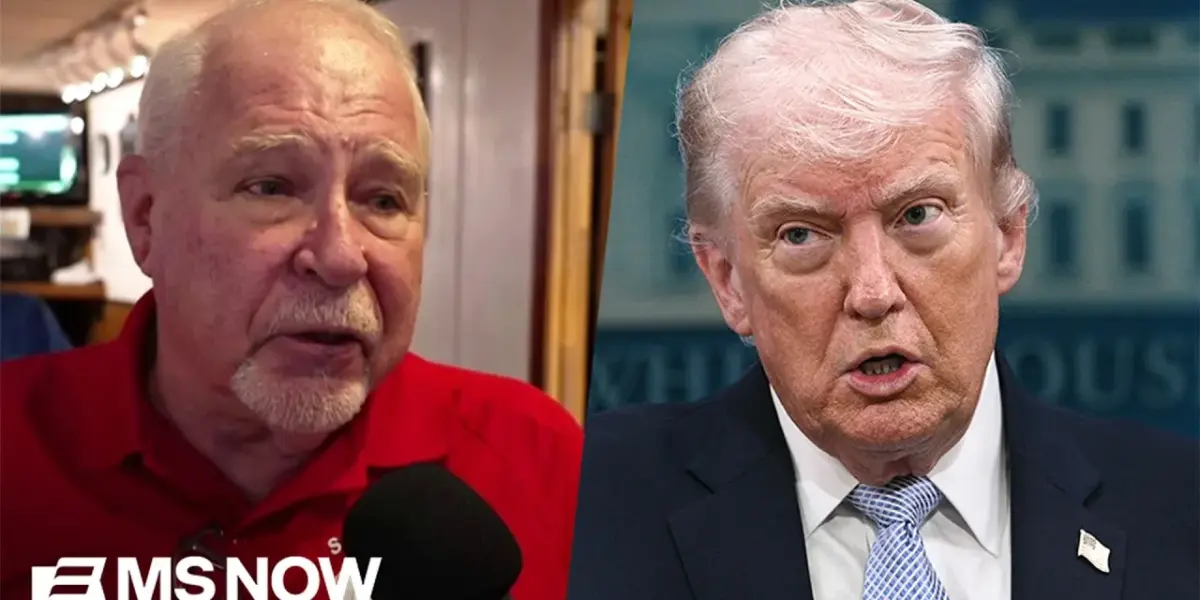
Veterans React to Trump’s Iran Statements
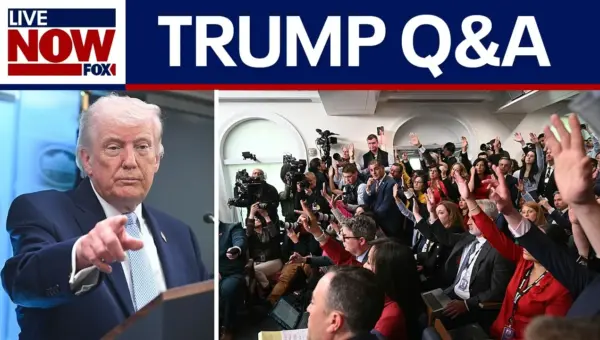
Following President Trump’s recent press conference regarding the situation with Iran, many veterans expressed strong disapproval, with some calling the president’s rhetoric a potential “war crime.” The comments came from a group of veterans at American Legion post-31 in Miami, a gathering place for about 170 veterans from various branches of the U.S. military. These veterans, who frequently discuss politics and life, shared a range of opinions on the ongoing conflict and the commander-in-chief’s approach.
Concerns Over Damaging Civilian Infrastructure
One significant point of contention was President Trump’s suggestion that the U.S. might target civilian infrastructure, such as bridges and power plants, in Iran. When asked about this, veteran Ed Gorman, who has voted for Trump three times, stated he didn’t learn much new from the press conference. However, another veteran, Rick, was more direct in his criticism.
“It’s not a war crime. I mean, how do you win a war by destroying the country?”
Rick argued that destroying a country’s infrastructure is counterproductive to winning a war and pointed out that Trump himself acknowledged it could take years to rebuild. He hoped for a negotiated solution to prevent such actions.
Criticism of Presidential Bragging and Disclosure
The veterans also discussed the president’s tendency to boast and reveal sensitive information. Rick expressed frustration with Secretary Hegseth’s praise for Trump, calling him a “cheerleader.” He was, however, impressed by the professional details shared by General Kaine and the CIA about a recent rescue mission, describing it as a “very American thing to do.” Michael Steele, moderating the discussion, noted the mix of patriotism and lingering questions among the veterans.
“Video Game View” of Warfare
Michael Steele further elaborated on the veterans’ concerns, suggesting that Trump’s approach to the conflict reflects a “video game view” of warfare. He emphasized that the reality on the ground is far different from how it might appear on a screen. Steele also criticized Trump’s habit of sharing classified information, warning that such disclosures could endanger service members in the future.
“Mr. President? Some of that stuff you should just keep your mouth shut on. Because we don’t need to know it. Because if we know it, then that means our enemies know it.”
He added that knowing these details could lead to drastically different and dangerous outcomes for U.S. troops in subsequent operations.
“Unhinged” Rhetoric and Lack of Clarity
General Barry McCaffrey also weighed in, describing the president’s behavior as potentially “unhinged” and noting a “babble factor” with anger and attacks on the media. He found the level of praise from those around the president, likening it to veneration of Kim Jong-un, embarrassing for a professional soldier. McCaffrey highlighted the precarious moment the nation is in, with civilian leadership operating without clear congressional input.
Kian Tajbakhsh, an Iranian-American, expressed deep concern over Trump’s rhetoric, particularly the idea of sending Iran “back to the Stone Ages” and destroying its infrastructure. He stressed the importance of distinguishing between military targets and civilian areas, a distinction he felt was missing from the president’s statements. Tajbakhsh pointed out that Iran has well-developed civilian institutions, like public health services and transportation networks, which are vital to the lives of its people.
Legal and Political Ramifications
Peter Baker discussed the political fallout, noting that even veterans who voted for Trump found his statements troubling. He suggested that the president’s tough talk might be “bluster,” but acknowledged that professional military officers are bound by the laws of war. Baker raised concerns about the president’s past attempts to prosecute members of Congress for reminding the armed forces about the illegality of obeying unlawful orders, indicating a potential clash between Trump’s mindset and the military’s adherence to the law.
He also mentioned the ongoing conversation between the Pentagon and the White House, noting the recent firing of the Army Chief of Staff without a clear public reason. Baker emphasized that the military’s officer corps is trained to follow the laws of war, which is crucial not only for ethical reasons but also for ensuring fair treatment of U.S. troops abroad.
Looking Ahead
As the deadline approaches, the veterans’ reactions underscore a deep unease with the administration’s approach to international conflict. The focus remains on whether diplomatic solutions will prevail or if the president’s aggressive rhetoric will translate into dangerous actions, potentially violating international laws and jeopardizing U.S. service members. The coming days will reveal how these tensions unfold and what impact they will have on both foreign policy and domestic political dynamics.
Source: 'It's a war crime': Veterans react to Trump's Iran presser (YouTube)

Related Articles
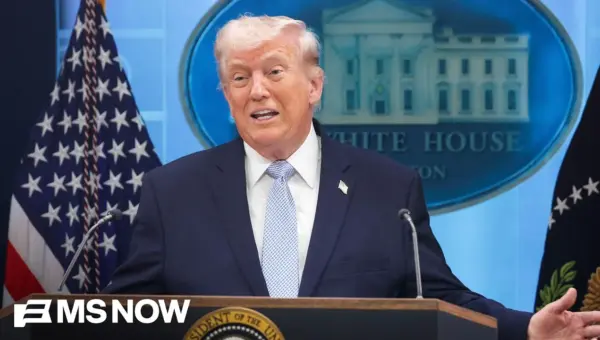
Trump’s Iran Bombing Threat Sparks War Crime Fears
President Donald Trump's threats to bomb Iranian civilian infrastructure, including power plants and bridges, have sparked international alarm. Experts warn these actions could constitute war crimes, while critics question the coherence of U.S. strategy and its impact on global standing.

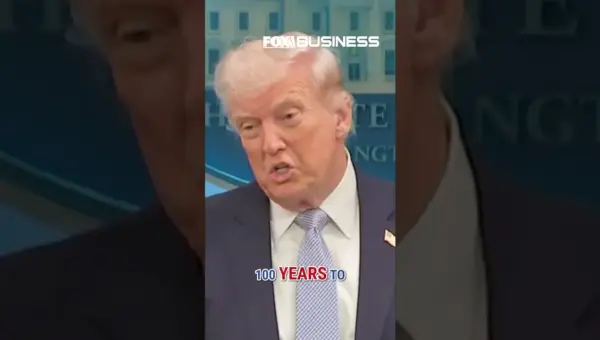
Iran Infrastructure Attack: 100 Years to Rebuild?
Claims suggest that devastating attacks on Iran's infrastructure could require a century to rebuild, highlighting the immense power of modern military capabilities. A past bridge strike illustrates the speed of such destruction, with rebuilding efforts potentially relying on U.S. expertise.

Trump Details Iran Strategy, Warns of ‘Stone Ages’ if Deal Fails
President Donald Trump detailed his administration's strategy regarding Iran, emphasizing the goal of preventing nuclear proliferation and countering regional aggression. He warned that failure to reach a deal could result in Iran being pushed into the 'stone ages' with strikes on critical infrastructure.