Veterans Slam Trump’s DHS Pick as ‘Snowflake’ Bully
Veterans and public figures are fiercely criticizing a potential Homeland Security nominee, labeling him a "snowflake" and "schoolyard bully." Concerns focus on his past statements about justified shootings, alleged bragging about secret missions, and a persona that celebrates aggression over professionalism. The debate raises questions about his fitness for office and the future of immigration policy.

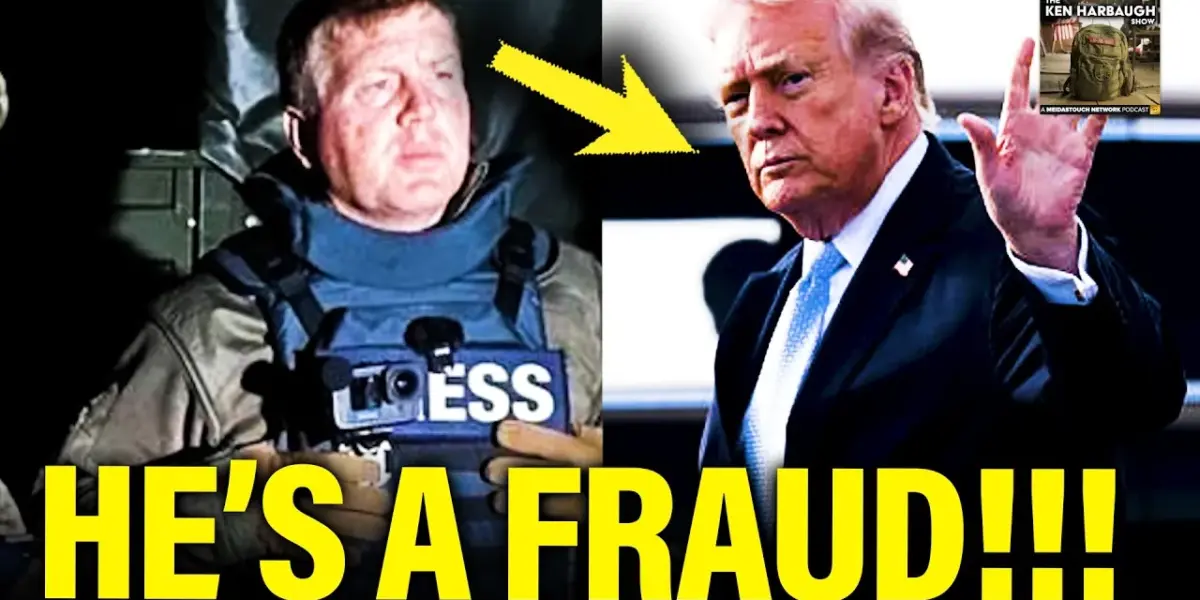
Veterans Slam Trump’s DHS Pick as ‘Snowflake’ Bully
A potential nominee for Homeland Security Secretary is facing harsh criticism from veterans and other public figures. Ken Harbaugh, a commentator and documentary filmmaker, has led the charge against the nominee, calling him a “snowflake” and a “schoolyard bully.” The criticisms stem from past statements and actions that some believe disqualify him for a high-level security position.
Harbaugh highlights a specific incident where the nominee, then a senator, appeared on CNN and was asked about the shooting death of Renee Good. When questioned if the shooting was justified, the nominee responded, “Absolutely.” He further stated, “If you’re scared of Renee Good going 2 miles an hour in a freaking minivan, you are the biggest snowflake in the world if you put put a bullet in an American citizen like that.” This statement has drawn significant backlash, especially from those who believe it dismisses the difficult decisions law enforcement officers sometimes face.
During a Senate hearing, when pressed on the statement, the nominee seemed to deflect. He mentioned an ongoing investigation, but Harbaugh points out that there was no investigation. The nominee’s response, or lack thereof, has fueled concerns about his judgment and accountability. Harbaugh argues that when an officer is faced with a car moving towards them, that car can become a lethal weapon, and split-second decisions are often necessary.
A Persona of Bullying and Bragging
Beyond the controversial statement, critics point to a pattern of behavior. Ken Casey of the band Dropkick Murphys described the nominee as someone who “talks about fellow senators deserving to get assaulted.” He also accused the nominee of bragging about “fake secret missions” and acting like a “schoolyard bully” during Senate hearings. Video clips show tense exchanges where the nominee challenges others to physical confrontations, like saying, “You want to do it now? I’d love to do it right now.”
Harbaugh suggests that the nominee’s entire public image is built around celebrating bullies. This is seen as particularly troubling given the context of violence, including the deaths of Alex Prey and Renee Good. Conversely, when faced with real danger or opportunities to serve others, the nominee has allegedly found ways to avoid them. For example, during the January 6th Capitol insurrection, he was seen defending empty benches while others were defending the building.
“This is a guy whose entire persona celebrates bullies. Like the ones who murdered Alex Prey and Renee Good. Meanwhile, anytime he’s actually faced real danger or the opportunity to risk something in service of others, he’s found a way out.”
Questionable Military Service Claims
A significant point of contention revolves around the nominee’s military service and claims about experiencing war. He has spoken about the “smell of war” and the unforgettable sensory experiences of being in combat. However, critics note that he seemingly sat out the long wars in Iraq and Afghanistan. Veterans, according to Harbaugh, can easily spot such inconsistencies.
When asked about his experiences, the nominee stated he did “special assignments outside of DoD” and described a classified trip in 2015-2016. He claimed only a few people were aware of it. When pressed on where he “smelled war,” he repeatedly cited the classified nature of the mission. This vague and classified “experience” has led to skepticism, with Harbaugh likening him to someone at a bar who boasts about secret missions that have no record.
Concerns About ICE and Future Policies
The potential leadership of this nominee at Homeland Security is also raising alarms for those critical of the Immigration and Customs Enforcement (ICE) agency. Harbaugh notes that the previous Secretary, Kirstjen Nielsen, was criticized for incompetence and cruelty. He is not convinced things will improve under the current nominee, especially since there’s no indication he plans to change the harsh policies of his predecessor.
The nominee’s persona of bullying and performative masculinity is seen as the opposite of the professionalism needed in federal law enforcement. Meanwhile, ICE’s budget remains substantial, reportedly exceeding that of the U.S. Marine Corps. Critics are concerned about the agency’s continued use of brutal tactics, human rights violations, and the operation of inhumane detention camps.
Voices Against Abuses
Harbaugh shared conversations with individuals actively fighting against perceived abuses by ICE. These include Mike Pniewski, who defended the Capitol on January 6th and is presented as a model of professionalism; Ken Casey of Dropkick Murphys, who has been vocal against the Trump administration; and Seth Moulton, a Massachusetts Congressman advocating for prosecuting ICE agents rather than just abolishing the agency.
During a discussion in Boston, Casey emphasized the need for a strong message against ICE’s actions, stating, “Every city needs to hear it. The whole country needs to hear it.” He believes that protests are important, but a more intense message is also needed. Moulton highlighted the arrival of new vehicles at an ICE facility in Massachusetts, suggesting that significant action is imminent and preparedness is key.
Mike Pniewski expressed his frustration as a law enforcement officer. He stated that seeing ICE’s conduct “pisses me off” because he understands the negative long-term effects on community relationships. He believes that when the public sees how ICE and CBP agents conduct themselves, it unfairly paints all law enforcement in a bad light. Good officers know their effectiveness depends on strong community ties.
“No one hates a bad cop as much as a good cop.”
Historical Context and Future Outlook
The discussion touches upon the broader issues of immigration and for-profit prisons. Critics argue that the focus on building private prisons suggests a motive beyond immigration control, pointing towards profit and control. Dropkick Murphys have a history of telling immigrant stories, and Casey expressed dismay at the idea of closing the door on those seeking refuge, especially considering the history of immigrant groups like Irish Americans who have ascended in society.
While acknowledging the need for sensible immigration policies, the current political climate is seen as hindering progress. Some believe Republicans intentionally avoid finding solutions to use immigration as a platform for political gain. The sentiment of “Prosecute ICE” is gaining traction, with Congressman Moulton emphasizing that it’s more than a slogan; it’s a promise.
Moulton stressed that accountability is crucial. He stated, “You cannot enforce the law if you think you’re above it.” This principle, he argues, should be a core message in a country where no one is supposed to be above the law. The ongoing debate highlights deep divisions on immigration policy and the role of federal law enforcement agencies.
Why This Matters
The potential appointment of this nominee to lead Homeland Security raises significant questions about the future direction of U.S. immigration policy, border security, and the overall conduct of federal law enforcement. The criticisms from veterans and public figures suggest a deep concern about the nominee’s temperament, judgment, and commitment to professional, rights-respecting law enforcement. The debate also underscores the ongoing tension between national security concerns and humanitarian values, particularly in the context of immigration and detention.
The stark contrast drawn between the nominee’s persona and the actions of individuals like Mike Pniewski highlights a broader conversation about what constitutes true leadership and service. As the nation grapples with complex immigration challenges, the choice of leadership at Homeland Security will have far-reaching implications for millions of people and the public’s trust in government institutions.
Source: Trump DHS Pick INSTANTLY TORCHED by Furious Vets (YouTube)

Related Articles


House Rejects Senate Bill, Citing Border Security Funding Gaps
House Republicans are rejecting a Senate funding bill, arguing it lacks essential appropriations for ICE and CBP, threatening anti-trafficking efforts and border security. They plan to pass a short-term measure to force renewed negotiations.


Trump’s Iran War Plans Criticized Amid Border Funding Standoff
Lawmakers and analysts are criticizing the Trump administration's handling of the Iran conflict and its approach to border funding, arguing that a lack of clear planning and a focus on political battles are making the U.S. less safe. Concerns are particularly high regarding the FBI's priorities and the potential impact of these issues on national security.


House Republicans Block Border Funds, Sparking Funding Crisis
House Republicans have rejected a Senate bill to fund the Department of Homeland Security, citing concerns over immigration policy. They propose a clean funding extension, while blaming Democrats for using the bill to push a "radical agenda." The move prolongs a government funding dispute and impacts federal workers.