Veteran’s Outburst Exposes GOP’s Broken Promises
A veteran's passionate outburst at a GOP congressman's town hall meeting has ignited debate over broken promises, government spending, and freedom of speech. The incident highlights deep-seated frustrations among some citizens regarding national priorities and accountability.

Veteran’s Outburst Exposes GOP’s Broken Promises
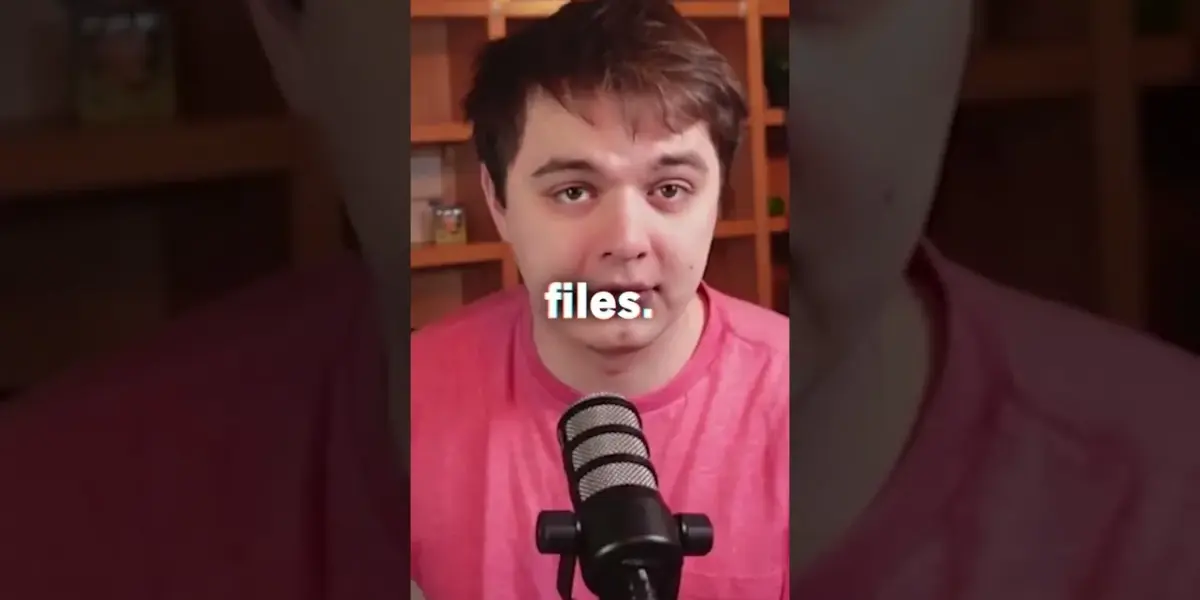
A recent town hall meeting turned fiery when a veteran, angered by what he saw as broken promises and misplaced priorities, confronted a Republican congressman. The heated exchange, captured on video, highlights deep frustrations felt by some Americans regarding government spending, accountability, and the treatment of citizens who voice dissent.
The Confrontation
The core of the conflict began with the veteran expressing his belief in freedom of speech, a right he felt he was defending by speaking out. When asked to leave by an aide or staffer, the veteran insisted on his right as a constituent to be there and express his views. The congressman, or at least someone in a position of authority, then intervened, stating, “Let him stay.” This moment, however, did little to de-escalate the underlying tension.
Accusations of Broken Promises
The video’s narrator, clearly aligned with the veteran’s sentiment, launched into a sharp critique of Republican actions and priorities. The central argument is that the party is failing to deliver on key promises, instead alienating important groups like veterans and those seeking accountability for powerful individuals. The narrator pointed to several specific areas of concern:
- The Epstein Files: A demand for accountability regarding individuals connected to the controversial Epstein case was raised. The implication is that the government is not pursuing justice or transparency in this matter.
- Taxpayer Dollars and Endless Wars: Funds are being directed towards continued military involvement in the Middle East, which the narrator described as “endless wars.” This is contrasted with perceived underfunding in other critical areas.
- Healthcare Funding: The narrator expressed disbelief that the same government claiming a lack of funds for increased healthcare spending would readily allocate money for overseas conflicts and supporting certain powerful groups.
- Silencing Dissent: The treatment of the veteran at the town hall, where he was initially asked to leave for expressing his opinion, was seen as a direct contradiction to the very freedoms the country is supposed to uphold.
The overall message is one of hypocrisy: the government claims it cannot afford to invest more in domestic needs like healthcare but can find money for foreign wars and protecting an alleged elite, while simultaneously trying to silence its own citizens. This narrative suggests a government that prioritizes the interests of a select few over the well-being of the many.
Why This Matters
This incident, though seemingly small, reflects a larger conversation happening across the country. Many Americans feel unheard and that their tax dollars are not being used wisely. The frustration boils down to a sense of injustice when resources seem abundant for some purposes but scarce for others, especially when those purposes involve military action abroad or protecting powerful figures, rather than supporting citizens at home.
Furthermore, the veteran’s forceful defense of his right to speak freely, even when it involves strong language, touches upon fundamental democratic principles. The idea that citizens should be able to question their representatives without fear of reprisal is crucial for a healthy democracy. When citizens feel that their voices are being suppressed, it can lead to deeper distrust in government institutions.
Historical Context and Background
Town hall meetings have long been a cornerstone of American democracy, providing a direct line of communication between elected officials and their constituents. Historically, these gatherings were spaces for open dialogue, debate, and the airing of grievances. However, in recent years, they have sometimes become sites of protest and confrontation, reflecting the increasing political polarization and public frustration.
The specific mention of “endless wars” echoes sentiments that have grown since the post-9/11 era, where debates about the cost and purpose of military engagements have persisted. Similarly, discussions about government spending priorities, particularly the balance between defense and social programs like healthcare, are not new. These have been recurring themes in American political discourse for decades, often intensifying during times of economic uncertainty or perceived national overreach.
Implications, Trends, and Future Outlook
The incident suggests a growing impatience with the status quo. Voters, particularly those who have served the country, are increasingly vocal about perceived betrayals of trust and misallocation of resources. This could translate into shifts in voter behavior, with a greater demand for accountability and transparency from elected officials.
The trend of citizens using social media and viral videos to broadcast their interactions with politicians also means that such moments can quickly gain national attention. This amplifies public sentiment and puts pressure on politicians to address the issues raised. The future may see more such public confrontations, as citizens feel empowered to challenge their representatives directly.
Moving forward, political parties and individual lawmakers will need to carefully consider how they engage with constituents and address concerns about spending, foreign policy, and accountability. Ignoring these frustrations risks further alienating voters and deepening the divides within the country. A genuine commitment to addressing these issues, rather than dismissing them, will be key to rebuilding trust.
Source: Veteran Explodes at GOP Congressman #politics #fyp #new (YouTube)

Related Articles
Billions in COVID Funds Stolen as Protections Were Disabled
Billions in COVID-19 relief funds were allegedly stolen as fraud protections were intentionally disabled by the Biden administration, according to Congressman Pat Fallon. These safeguards are now being reactivated under the Trump administration. The congressman cited political motivations and donor ties as potential reasons for the shutdown, highlighting a shift in organized crime towards less risky financial fraud.

Congress Flees DC, Leaving Shutdown Crisis Behind
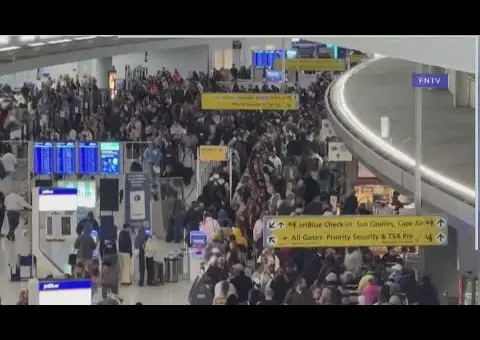
Lawmakers are facing public scrutiny for taking a two-week recess while a homeland security funding bill remains unpassed, leading to a partial government shutdown. An initiative is encouraging citizens to document lawmakers' travel, highlighting the disconnect between congressional actions and public struggles. This situation raises questions about accountability and could impact upcoming elections.
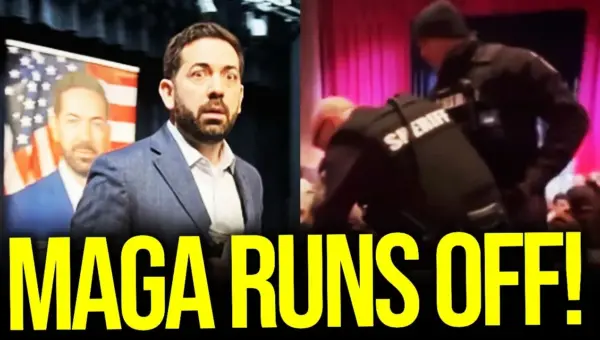
Congressman Flees Angry Crowd After Trump Deference
Republican Representative Mike Lawler faced an angry crowd at a town hall, with constituents, including veterans, confronting him over his deference to Donald Trump. The incident reflects broader disarray within the GOP, marked by internal fighting and a focus on non-policy issues.