Veteran’s Epstein Memories Fuel Online Conspiracy Theories
An Iraq War veteran's claims of newly "unlocked" memories of abuse by Jeffrey Epstein have been seized by a network of conspiracists, transforming the personal account into fantastical online theories. MS NOW reporter Brandy Zadrozny is investigating how these claims spread and the broader implications for misinformation.

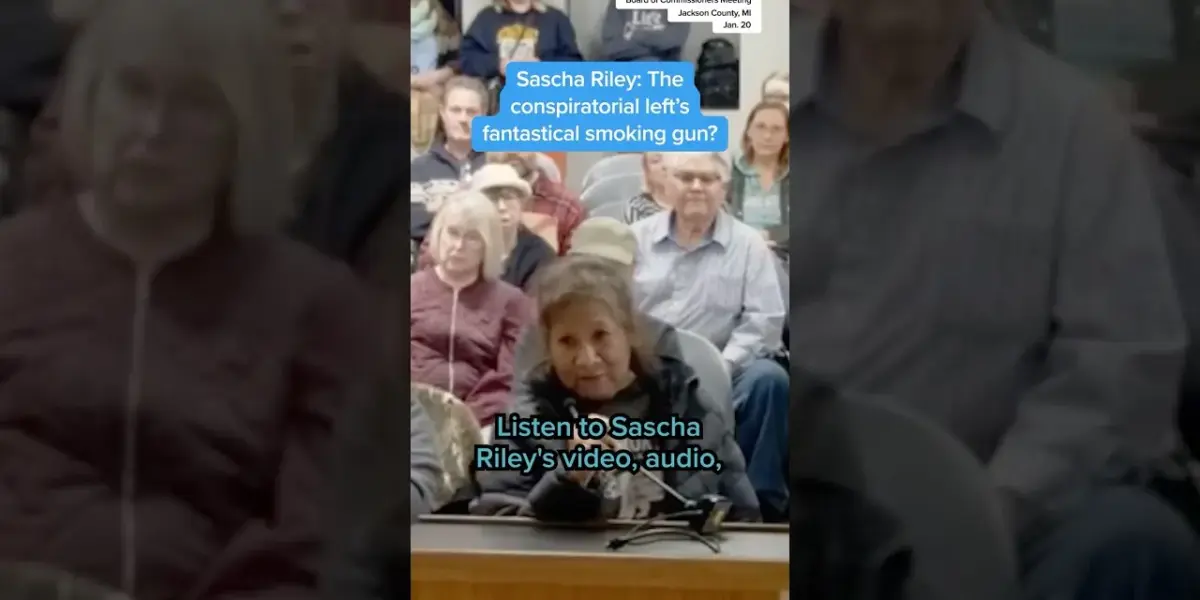
Veteran Claims New Epstein Abuse Memories, Igniting Online Frenzy
An Iraq War veteran has come forward claiming to have “unlocked” new memories of abuse by Jeffrey Epstein, sparking a wave of online conspiracy theories. This story, amplified by a network of online conspiracists, has transformed a personal account into a fantastical narrative. Reporter Brandy Zadrozny of MS NOW has been investigating the origins and spread of these claims.
The Veteran’s Account and Its Amplification
The veteran, whose identity is not fully detailed in the initial report, alleges that these recovered memories involve Jeffrey Epstein and figures within the “right-wing elite.” Such claims, when made public, often attract significant attention. However, in this case, the story quickly moved beyond a personal testimony.
A network of individuals and groups known for promoting conspiracy theories reportedly seized upon the veteran’s account. They have woven it into existing narratives and created new, elaborate theories. This amplification process often involves sharing and reinterpreting information across various social media platforms and forums, making it difficult to trace the original source or verify the claims.
Conspiracy Theories: From Personal Trauma to Fantastical Narratives
The journey from a personal recollection of trauma to a widespread conspiracy theory is a complex phenomenon. Experts suggest that such narratives often tap into existing societal anxieties and distrust of powerful institutions. When a story like the veteran’s emerges, it can serve as a “smoking gun” for those already inclined to believe in hidden plots and powerful, unseen forces.
These fantastical stories, as described by MS NOW, often lack concrete evidence but gain traction through repetition and emotional appeal. The involvement of a “network of conspiracists” highlights how organized groups can shape public perception by promoting specific narratives, regardless of their factual basis. The veteran’s story, in this context, became a tool for these groups to advance their own agendas.
Journalistic Scrutiny and the Search for Truth
MS NOW reporter Brandy Zadrozny is at the forefront of examining this story. Her work aims to separate the veteran’s personal experience from the elaborate theories that have been built around it. This involves investigating the source of the claims, how they were spread, and the motivations of those promoting them.
Investigative journalism plays a crucial role in debunking misinformation and providing factual context. By scrutinizing the claims and the networks behind them, journalists can help the public understand the difference between personal accounts, unsubstantiated theories, and verified facts. The report suggests that the veteran’s story, while potentially rooted in genuine experience, has been distorted into something far more elaborate and conspiratorial.
Broader Implications: Trust and Misinformation in the Digital Age
The case of the veteran’s recovered memories and the subsequent conspiracy theories underscores broader concerns about misinformation in the digital age. The ease with which unverified stories can spread online, amplified by dedicated networks, poses a significant challenge to public understanding and trust.
Stories like this highlight the importance of critical thinking and media literacy. It also raises questions about the responsibility of social media platforms in curbing the spread of harmful conspiracy theories. As these narratives evolve, understanding their origins and the mechanisms of their spread becomes increasingly vital for maintaining an informed public discourse.
What’s Next?
As investigations continue, the focus will likely remain on verifying the claims made by the veteran and understanding the extent of the conspiracy networks involved. Further reporting may shed light on the individuals and groups who amplified the story and the impact these theories have had. The public will be watching to see how these claims are substantiated or disproven, and what lessons can be learned about the spread of misinformation.
Source: Sascha Riley: The conspiratorial left's fantastical smoking gun? (YouTube)

Related Articles

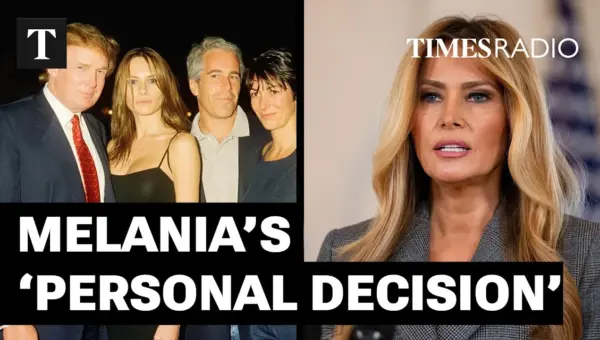
Melania Trump Denies Epstein Ties in Surprise Public Statement
Melania Trump has directly denied any relationship with Jeffrey Epstein in a surprise press conference, aiming to dispel rumors. She also called for public hearings for Epstein's victims, a move that reportedly surprised some White House officials. The statement comes as investigations into Epstein's alleged abuse continue.

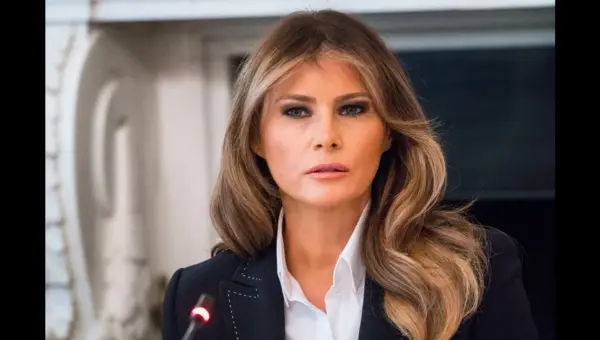
Melania’s Epstein Plea Backfires, Survivors Speak Out
Melania Trump's recent call for Epstein survivors to testify has been met with strong criticism from the survivors themselves, who view her plea as a deflection of responsibility. The former First Lady also addressed accusations linking her to Jeffrey Epstein, calling them lies and characterizing her correspondence with Ghislaine Maxwell as casual.

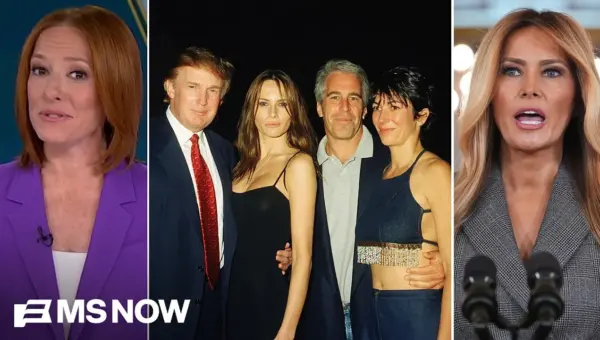
Melania Trump Addresses Epstein Scandal in Surprise Statement
Former First Lady Melania Trump issued a surprise public statement denying any relationship with Jeffrey Epstein, calling past allegations "lies." The address, however, raised more questions due to photographic evidence and email exchanges suggesting prior connections. Survivors of Epstein's abuse criticized Trump's statement, urging her to push for the release of remaining files instead.